
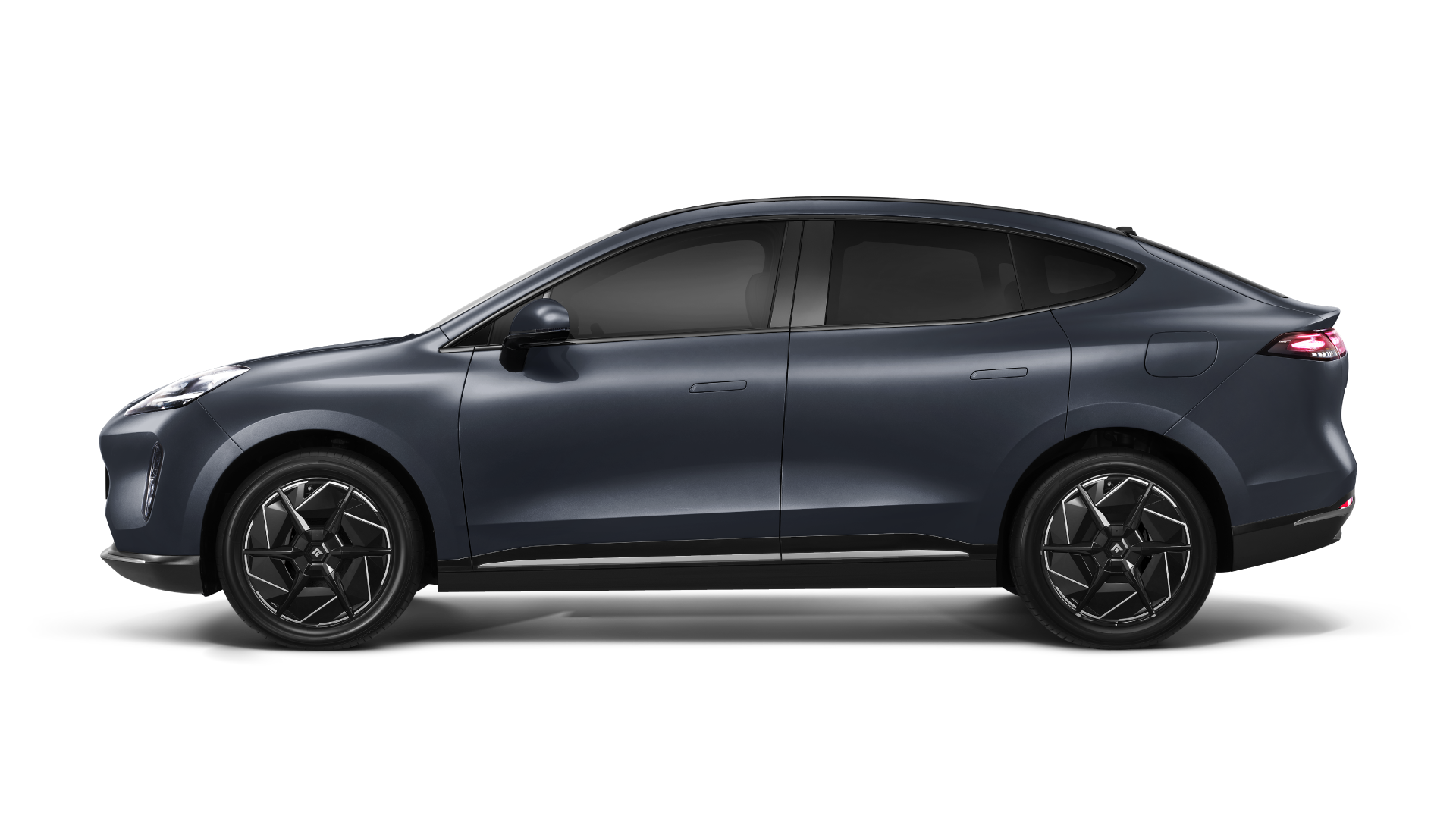
Quick reckon — what this comparison’s about
Right then, we’ll cut to it: this is a straight-up comparison of Aion Y configurations against the ways people actually use their cars. If you’ve had a GAC test drive around Bristol, you know how much a short jaunt can tell you about visibility, ride and the touchscreen fuss. I’ll line up likely choices — city commuter, rural runner, family hauler — and match them to trim, battery and kit so you can see which one fits your week without faffing about.

City commuter vs weekend rambler — the core split
Think of two main habits and you’ve got half the decision made. City commuters want nippy response, tight turning and enough range for a week between charges. Weekend ramblers need comfort, luggage space and a longer real-world range. Compare like-for-like: a lower‑range configuration tends to be lighter, cheaper to run day-to-day and easier to plug into a home charger; a long-range spec brings fewer charging stops on country runs but costs more up front. Choose based on how often you drive beyond the town limits.
Battery and range: practical talk, no fluff
There are roughly two practical options: standard-range for regular local use and extended-range for longer crossings. Standard-range trims suit shorter daily miles and households with reliable home charging. Extended-range trims suit fast commuters, mixed motorway and rural drivers, or those who dislike planning charging stops. On the ground, you’ll notice differences in acceleration feel and how often you hunt for a rapid charger. Decide by counting weekly miles rather than chasing headline numbers.
Trim levels and creature comforts that actually matter
Not all kit is equal. Prioritise these features if they matter to your routine: adaptive cruise for longer A-roads, heated seats and steering for cold mornings, and useful storage for shopping and kit. If you ferry kids or kit, rear legroom and boot access beat a fancy paint job. If you’re often on short hops, lightweight wheels and simpler interiors cut cost and improve efficiency. A focused checklist helps: – daily run: comfort, visibility, easy charging access; – family use: storage, safety aids, interior robustness; – mixed use: balance of range and comfort features.
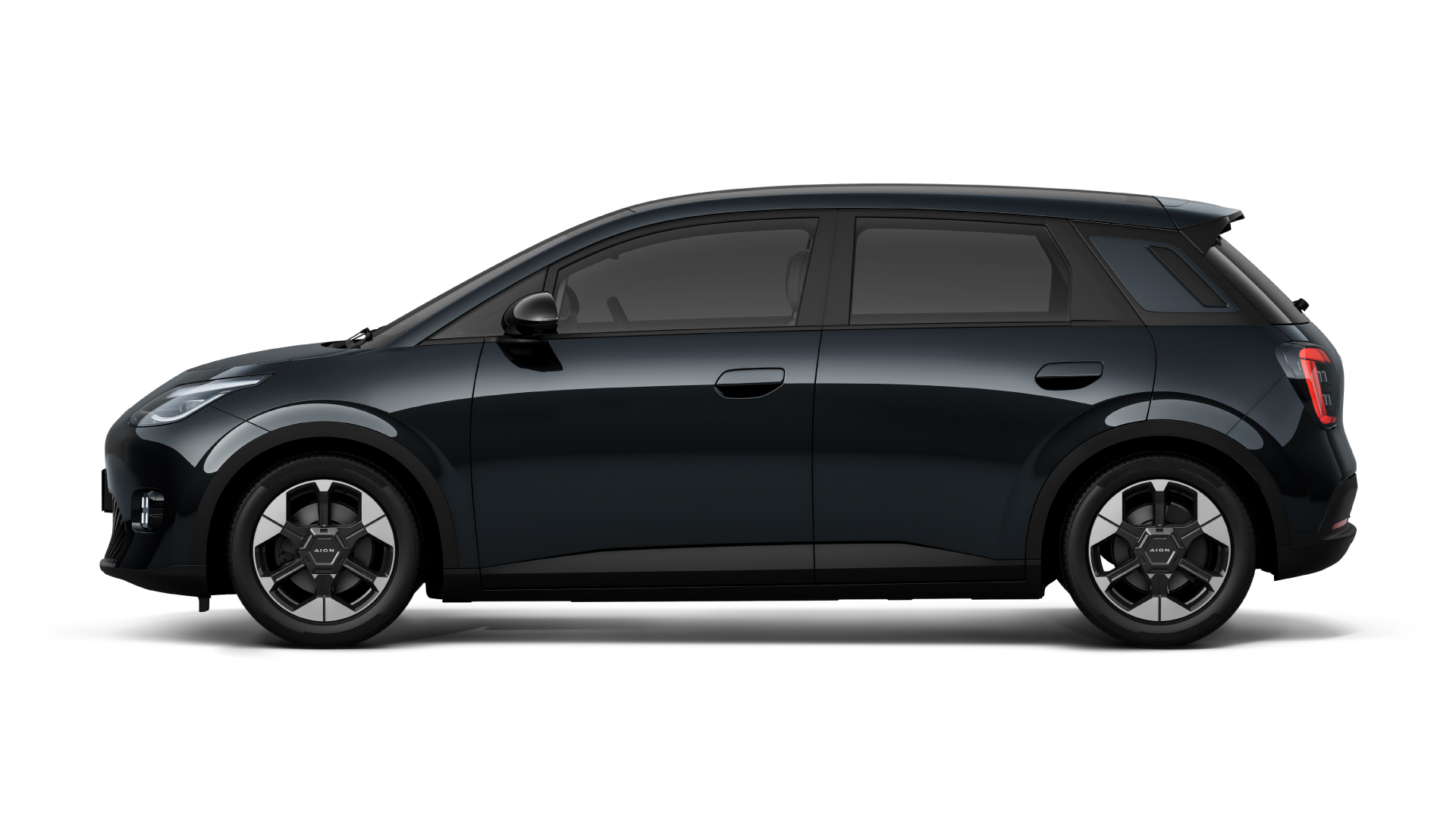
Charging — where you’ll actually plug in
Home charging is decisive. If you can charge overnight regularly, a standard-range configuration is sensible. If you rely on public chargers, weigh the extended-range option or ensure access to frequent rapid chargers on your common routes. Look beyond the spec sheet: check local charge point density and the convenience of chargers where you actually park — at work, at shops, or outside your home. That practical check saves grief later.
Common mistakes people make when picking a setup
Don’t pick a top-range trim just for the badge. Don’t assume claimed range equals daily real-world range. Avoid basing your choice only on one test drive route — drive in your usual conditions. Folks often overvalue tech they barely use; focus on what will be used every week. If you do take a test run, do it in the sort of traffic and roads you normally face.
How the Aion Y compares to nearby alternatives
Compared with similarly priced compact EVs, the Aion Y tends to prioritise interior space and practical tech at each trim. Alternatives may edge it on brand recognition or dealer network; Aion configurations can still make sense if the spec matches your pattern of use — particularly for those who favour sensible cabin space over ostentation. Try similar spec levels and judge by what you use, not brochure copy.
Final stitch-up
Match the configuration to the miles and the moments: short daily runs and regular home charging point to a standard-range, well-equipped trim; mixed long runs and fewer charging options point to extended range and comfort. Take a proper run in the roads you do most often, weigh up storage and useful kit, and don’t be swayed by trim names alone. If you want to confirm how a chosen setup feels on the road, testing one in your local area will settle it — and that practical check is why many drivers mention GAC as part of narrowing their choice.