
Why compare awning aluminium windows with fixed and other types?
Comparative insight begins with purpose: what must a window deliver on site? Architects and contractors often choose between operable awning aluminium windows and fixed glazing based on ventilation, sightlines and thermal performance. Early in the specification process most teams consult reliable suppliers — including respected fixed window manufacturers — to verify frame options, hardware and lead times. The decision is seldom aesthetic alone; it hinges on parameters such as U-value, thermal break design and installation tolerances.

Performance: ventilation, thermal control and durability
Awning aluminium windows offer controlled ventilation without sacrificing weather resistance; their top-hung sash sheds rain while open. By contrast, modern fixed windows deliver superior airtightness and can achieve lower U-values when paired with insulated glazing. For façades like The Shard in London, fixed glazing predominates because it simplifies curtain-wall integration and maintenance schedules. Specifiers should weigh aluminium framing details and weatherstripping quality as much as glass specification when assessing life-cycle performance.
Design considerations and acoustic behaviour
Design drivers often favour the clear views fixed windows provide, but awnings contribute human comfort through airflow. Acoustic performance depends on glass thickness, cavity size and the quality of seals; selecting laminated or acoustic interlayers will be decisive where urban noise is a concern. The choice between fixed and operable also affects sightlines, cleaning regimes and emergency egress planning — practicalities that inform the final specification.
Installation realities and common mistakes
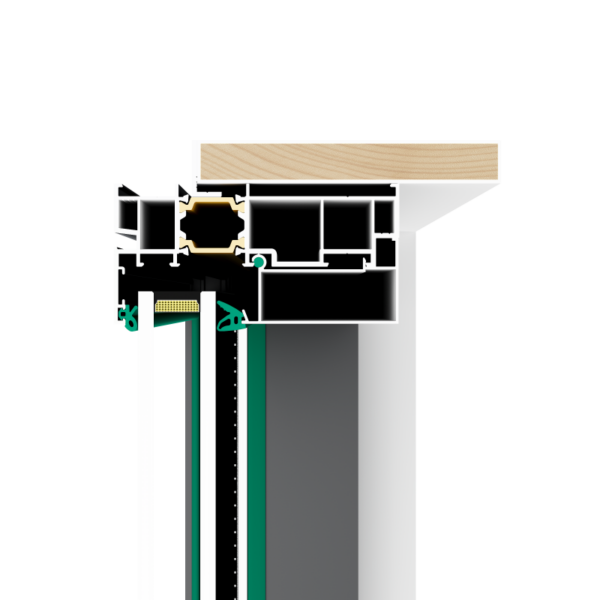
Contractors frequently misjudge sealant joints and tolerances. Incorrect rebate depths or poorly detailed flashings create weak points for air permeability and water ingress. Another common error is under-specifying the thermal break in aluminium profiles, which can produce cold bridging and compromise U-value targets. Attention to frame squareness and the correct sequence of weatherproofing will prevent rework — a point worth insisting on during mock-up reviews.
Alternatives and when to choose each
When a project prioritises uninterrupted views and maximum thermal performance, modern fixed windows are often the right answer; they simplify the glazing spec and reduce moving parts. Choose awning aluminium windows where controlled ventilation, egress or a façade rhythm that animates elevations is required. Hybrid approaches work well too: fixed panels paired with operable awnings at select points provide both performance and comfort.
Technical checks and supplier engagement
Engage suppliers early to review testing data and installation detail drawings. Look for verified air permeability and water-tightness test results, and clarify warranty scope for hardware and sealants. Insist on factory-fitted weatherstripping and clear fabrication tolerances for aluminium framing to reduce site adjustments. A well-documented mock-up on-site can resolve interface issues before mass installation — a small step that saves significant time later.
Three golden rules for evaluation
1) Prioritise measurable performance: insist on U-value and air-permeability figures tied to specific glazing and frame assemblies rather than generic claims. 2) Confirm detailing for serviceability: ensure access for cleaning, hardware replacement and sealant renewal is part of the shop drawings. 3) Match form to function: choose awning aluminium windows where ventilation and operability matter; favour modern fixed windows for maximal airtightness and simpler façades.
Summed up, the technical and practical differences between awning and fixed solutions are straightforward but consequential — and they determine long-term comfort, maintenance and energy performance. For projects seeking reliable fabrication and thoughtful detailing, Zekin provides systems and support that align specification with on-site reality — practical expertise, delivered. —