
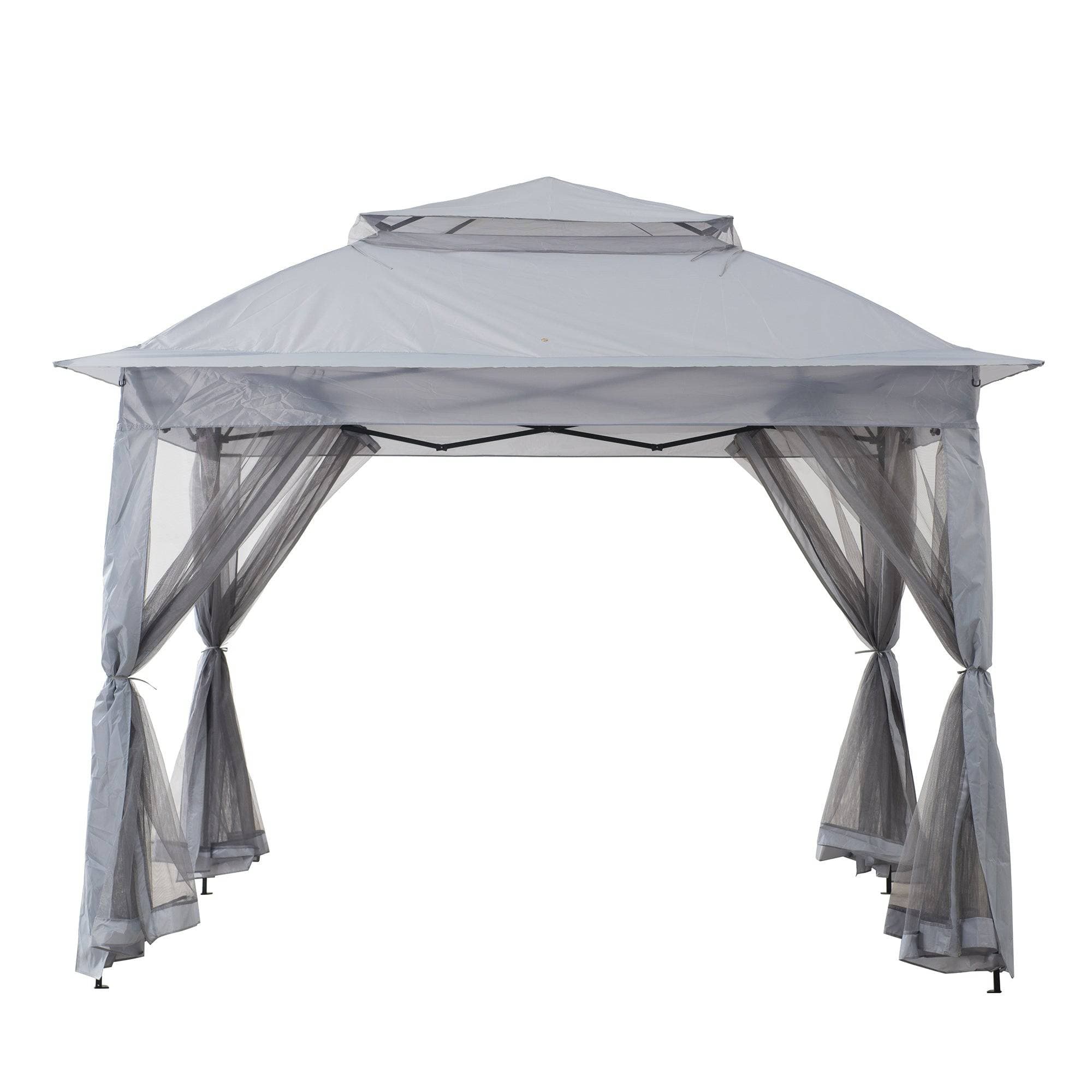
From first browse to backyard plan: Sunjoy Pop-Up Gazebos and a compact footprint for a patio for setup comparisons
Start with the space, not the product name
When comparing SUNJOY pop-up gazebos for a compact patio, begin with how the space must function. A small outdoor area may need to support dining, occasional entertaining, gardening tasks, or movable shade. Those uses can lead to different priorities, even when the available footprint is similar. Measure the intended area, note access points, and consider where the shelter will go when it is not in use. These steps create a practical boundary for the comparison before any model details influence the decision.

A compact footprint does not automatically mean that every pop-up option will suit the same patio. The usable area includes more than the space beneath the canopy. Allow room for people to move around it, for furniture to be positioned comfortably, and for the frame or packed shelter to be handled. If the patio borders a wall, fence, grill, or planting bed, those features may affect placement. Treat the available space as a use zone rather than a single measurement.
Compare the type of shelter with the intended routine
SUNJOY’s page compares pop-up and permanent gazebos through flexibility, installation, cost framing, and intended use. That comparison gives shoppers a useful first split. A pop-up format belongs in the discussion when the shelter needs to serve changing situations or be put away between uses. A permanent structure deserves consideration when the goal is a more fixed outdoor arrangement. The choice should follow the routine, not simply the appearance of the product listing.
For a patio used only during selected gatherings, portability and packability may matter more than a fixed installation approach. For a household that keeps an outdoor dining area in one place, the installation distinction may deserve more attention. Neither description alone identifies the right model. It only helps narrow the type of solution that fits the way the space is used. Exact construction, dimensions, and included components remain model-specific questions.
In the middle of the comparison, ask whether a portable gazebo will be moved, stored, or used in more than one setting. SUNJOY discusses backyard entertaining, camping or travel, and bug-prone settings as different selection scenarios. For example, its guidance treats camping or travel as a use case alongside backyard entertaining, so a shopper planning occasional trips should assess packability and storage as part of the decision. That is a page-supported scenario, not a promise that every model has the same transport features.
Review setup and storage without assuming too much
SUNJOY describes its pop-up gazebo options as portable and discusses setup, packability, storage, and use for events or travel. These points are relevant to a compact patio because a shelter may need to move through a doorway, rest in a storage area, or leave the patio clear between occasions. Still, a collection-level description should not be treated as a complete specification for every product. Read the selected model’s own information before making a setup plan.
Use a simple separation between confirmed details and planning assumptions. Confirmed details are statements made on the relevant product page, such as the listed dimensions, included parts, or stated configuration. Planning assumptions include believing that one person can assemble the shelter, that it will fit a particular storage cabinet, or that an accessory will work with it. Do not let an attractive photograph fill in those gaps. If a detail affects the purchase, make it a model-specific checkpoint.
| Planning scenario | What to examine | Evidence boundary |
|---|---|---|
| Backyard entertaining | Flexibility, intended use, and the space needed around the shelter | SUNJOY discusses backyard entertaining as a selection scenario. |
| Camping or travel | Portability, packability, setup, and storage | SUNJOY discusses these topics for its pop-up gazebo options; exact features vary by model. |
| Bug-prone setting | Whether the selected listing addresses the intended setting and stated accessories | SUNJOY identifies bug-prone settings as a selection scenario; do not extend that statement to unlisted features. |
Storage deserves its own review. A compact patio may have limited closet, shed, garage, or vehicle space. Consider the route from storage to the patio, the surface available while setting up, and whether the packed item can remain protected between uses. The page’s discussion of packability and storage supports asking these questions, but it does not establish a universal packed size or handling requirement. Keep the final judgment tied to the selected listing.
Build a model-specific comparison
Once the space and routine are clear, compare listings using the same questions. What dimensions are stated? What setup information is provided? Does the page describe storage or packability? Is the intended use closer to backyard entertaining, travel, or another stated scenario? Which accessories or components are explicitly included? Recording answers in one place makes it easier to spot differences without turning general category language into a product guarantee.
For renters and homeowners alike, reversibility can be an important practical consideration. A movable shelter may support a changing patio plan, while a permanent gazebo implies a different installation commitment. Families who host outdoors may focus on how the space will be used during gatherings. Patio gardeners may instead care about preserving access to planting areas. These are planning perspectives, not claims about a particular model’s capacity or performance.
Keep the comparison disciplined. Do not infer weather resistance, safety, durability, warranty coverage, price, availability, or compatibility from the category description alone. Do not assume that a feature shown in one listing applies across the collection. Attribute portability and setup discussions to SUNJOY, then apply them only within the limits of the information provided for the product under consideration.
Turn the findings into a practical choice
A sensible shortlist should contain options that match both the patio footprint and the expected routine. Remove any option whose stated dimensions conflict with the available area. Then review how the shelter is described for setup, packability, storage, and intended use. If the patio is used for several purposes, give extra weight to flexibility. If the shelter will remain in one location, compare the installation approach with the household’s plans.
The best comparison is not the one with the longest feature list. It is the one that connects stated product information to a real placement and storage plan. Use the official listing for the final model details, keep category-level claims in context, and avoid filling evidence gaps with assumptions. With that approach, a compact patio becomes a clear design constraint rather than a reason to choose by guesswork.
In short, compare the shelter type, intended use, setup discussion, packability, and storage needs before selecting a model. A careful review of SUNJOY information can help buyers make a measured seasonal-shelter choice without treating general category guidance as a guarantee.