
The problem, bluntly
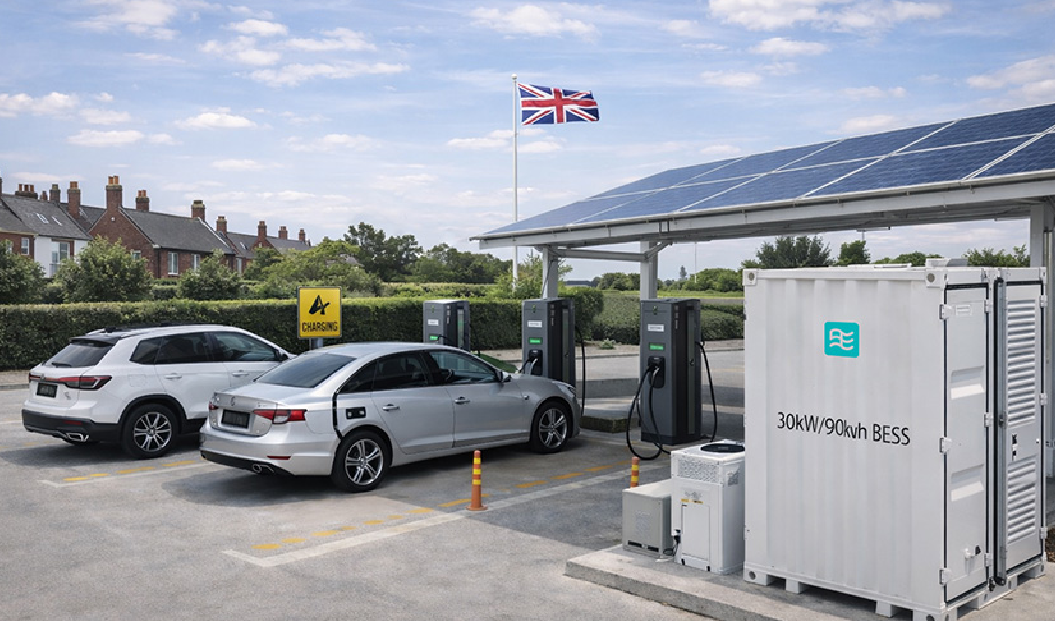
Planners get handed capacity targets and a spreadsheet and told to pick a 600kW energy storage inverter that will “just work.” That’s adorable. The real problem is not peak watts; it’s the messy middle—thermal limits, harmonics, auxiliary loads, commissioning schedules, warranty fine print and how the whole system behaves when something inevitably goes wrong. If you’re stacking everything into a prefab box, think about the 600kW energy storage inverter and how it pairs with an inverter container before someone tells you “it shipped yesterday.”
What actually breaks projects (and why planners miss it)
Most failures aren’t dramatic. They’re slow, bureaucratic, and boring—until they cost you a month of revenue. Common failure modes:- Poor thermal management: fans run 24/7, filters clog, inverter derates at 40°C and no one accounted for that.- Control mismatch: vendor SCADA expects a proprietary protocol; your fleet manager expects Modbus/TCP.- Built-in assumptions: inverter rated for “ambient” conditions, without specifying altitude or dust class.- Mechanical integration: cables, conduit entries, and HVAC paths that don’t fit the container layout.Skip those and you’re left with a shiny box that only looks good on paper.
Decision criteria that actually matter (not the glossy brochure bullets)
Rank these in this order and you’ll stop doing rework:- Continuous power at site altitude and temperature, not just at 25°C.- Inverter control flexibility: open protocols, local mode, and test-mode documentation.- Thermal and ingress protection compatible with your container design.- Serviceability: field-replaceable power modules and documented MTTR (mean time to repair).- Grid-code compliance and ride-through behavior for your interconnection point.Technical specs are useless without installation context—so get mechanical and electrical integration checked together.
Container realities: the overlooked checklist
Placing an inverter inside a container is not a cosmetic choice. Treat the container as a piece of critical equipment: ventilation path, cable routing, neutral/ground bonding, isolation space, and fire suppression. Practical items to confirm:- HVAC capacity and redundancy for worst-case ambient.- Cable entry and segregation for low-voltage vs. high-voltage.- Local access for module swaps; don’t plan to remove a 300 kg heat sink through a 0.6 m hatch.One real-world anchor: lessons learned from the ERCOT winter storm 2021 showed the importance of designing containerized systems for atypical stress and emergency access—people needed to fix things fast, often under adverse conditions.
Common procurement mistakes and how to avoid them
Organizations buy on price or single-line specs and regret it. Fix this:- Don’t accept “meets grid code” without a test plan and witness test window.- Require FAT (Factory Acceptance Test) with your control engineers, not a vendor demo.- Insist on a parts list and consumables schedule (filters, capacitors, fans) and their lead times.- Make spare-module strategy contractual: shipping a module in two weeks is not “spare” if your project is offline.
Alternatives and trade-offs, briefly
There’s no one-size-fits-all:- Centralized inverters: fewer units, simpler site-level O&M, but larger single points of failure.- Modular containerized inverters: easier serviceability and staged deployment, but more enclosure integration work.- Hybrid designs (rackable power modules in containers): best for reparability if your operations team can handle modular swaps.Pick the architecture that matches your operations maturity, not the sales pitch.
Technical checklist to hand to procurement and field teams
Give them a practical sheet. Must-haves:- Ambient/altitude derating curves.- Control interface and default telemetry variables.- Spare parts list and MTTR estimates.- FAT/SAT scope and witness-test schedule.- Container integration drawings showing airflow, cable trays, and maintenance clearances.If the vendor resists providing these, they’re selling hope, not hardware.
Final, unvarnished synthesis
If you want reliability, plan for the mundane: clear thermal margins, open controls, accessible spares, and a container layout that lets people actually reach the kit when things fail. That’s the practical value proposition behind thoughtful system suppliers—companies that design around real-world constraints rather than glossy specs. When integration and serviceability are handled up front, you get predictable uptime and fewer surprise invoices, which is exactly the kind of sensible engineering people quietly prefer from WidenEdge.