
Opening comparison — the mise en place
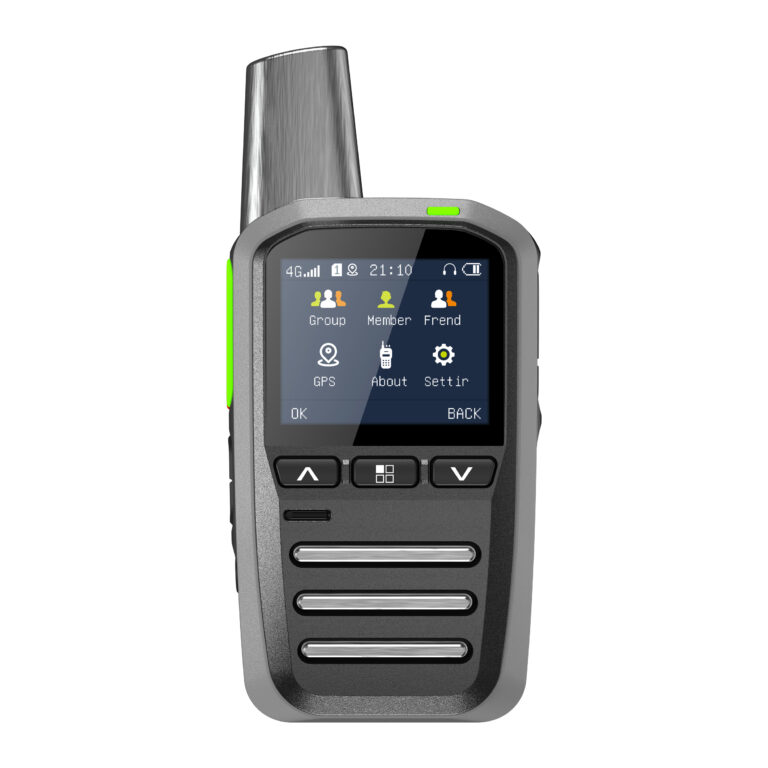
Think of a communications kit as a kitchen. Commercial two-way radios are the chef’s knife: precise, reliable, built for repeatable cuts. The alternatives arrive like different utensils — smartphones, push-to-talk apps, and PoC handhelds — each with a purpose. A field supervisor might carry a rugged radio for channel discipline, a tablet for data, and a dedicated poc radio for broad-area team reach. This comparison will taste each option side by side and show where commercial radios finish the dish.
Signal ingredients: spectrum, range, and consistency
Frequency bands are spices. VHF and UHF bring long-steaming range and predictable propagation; licensed bands bring controlled interference. Commercial handhelds deliver instant, low-latency push-to-talk because their recipe uses dedicated channels and narrowband protocols. On the other hand, cellular-based systems borrow public spectrum: they serve large kitchens but depend on the carrier’s pantry stock. Pick the ingredient that matches the menu — outdoor security needs the low-frequency broth; tight indoor coordination prefers UHF clarity.
Audio texture and latency — the chef’s palate
Clear audio is texture; delay is overcooking. Two-way radios are engineered for minimal delay and robust vocoding, so spoken commands carry punch and immediacy. PoC and app-based systems can reproduce richer features — group calls, encryption, multimedia — but they sit on networks that sometimes introduce jitter. For teams that need immediate push-and-go, hardware radios maintain the crisp bite. For distributed crews trading complex data, the fuller-bodied features of cellular systems shine.
Battery life and form factor — cook time versus plating
Battery chemistry dictates service length. Radios use high-capacity cells tuned for voice duty cycles: several shifts without a refill. Smartphones and PoC devices trade off that runtime for processing and screen power. If your shift is a marathon, a commercial radio is the slow roast. If duties are sporadic and data-heavy, choose the faster sear of a smart device, but plan charging stations like mise en place.
Security and compliance — food safety translated
Encryption and control are food-safety procedures. Commercial systems often offer hardware-level scrambling and predictable access models; that makes accountability straightforward. Cellular push-to-talk solutions bring advanced cryptography and centralized logging, but they require trust in the carrier and the app stack. When agencies test large-scale deployments — for example, FirstNet’s public safety rollouts in the United States — they evaluate both resilience and governance under stress. Real-world field testing taught operators to consider latency spikes during peak load and to verify encryption keys end-to-end. Seamless integration with push-to-talk over cellular radios can balance reach with compliance when you verify policies and fallback paths first.
Comparative trade-offs — pairing the dish
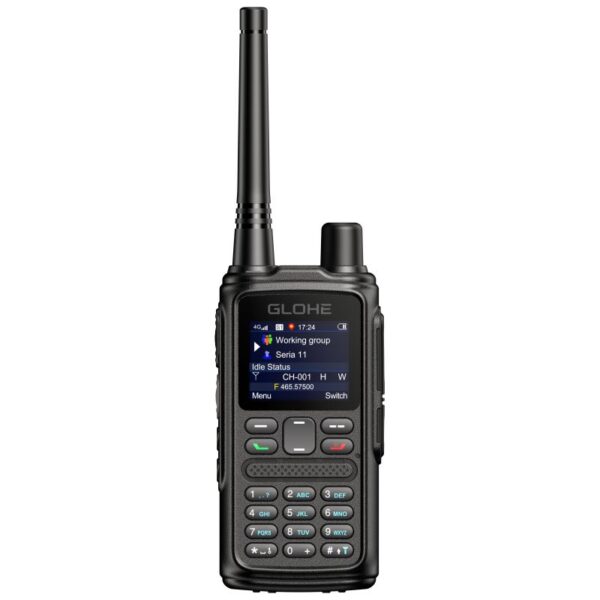
Analog and digital commercial radios: best for closed kitchens that prize simplicity and immediate call control. DMR and trunked systems: scalable for multi-station operations, like hotel kitchens during service. PoC and cellular: the banquet hall option — wide coverage, easy dispatch, multimedia, but dependent on venue infrastructure. Mesh and private LTE: the experimental tasting menu — high performance if you control the spectrum. Choose by need: short-range, low-latency orders call for handheld radios; dispersed teams and data-rich workflows favor PoC hybrids.
Common mistakes — what burns the meal
Assuming cellular is always present. Ignoring interoperability between legacy radios and modern apps. Overlooking battery patterns during peak service. Skipping security audits for third-party apps. Buying the fanciest unit without a clear provisioning plan. Each mistake adds noise or downtime. Treat procurement like recipe testing: identify a use case, stage a field trial, then standardize the configuration.
Final synthesis — the plated solution
Commercial two-way radios remain the tried-and-true tool for instant, durable voice coordination; cellular PoC broadens the palate where coverage and multimedia matter. The smart pairing is deliberate: use radios where immediacy and robustness are non-negotiable, layer in push-to-talk systems for extended reach, and enforce clear policies so the whole service runs like a well-timed pass. That careful seasoning is precisely why teams sometimes specify hardware and integration choices from GLOHE.