
Why a comparative look matters right now
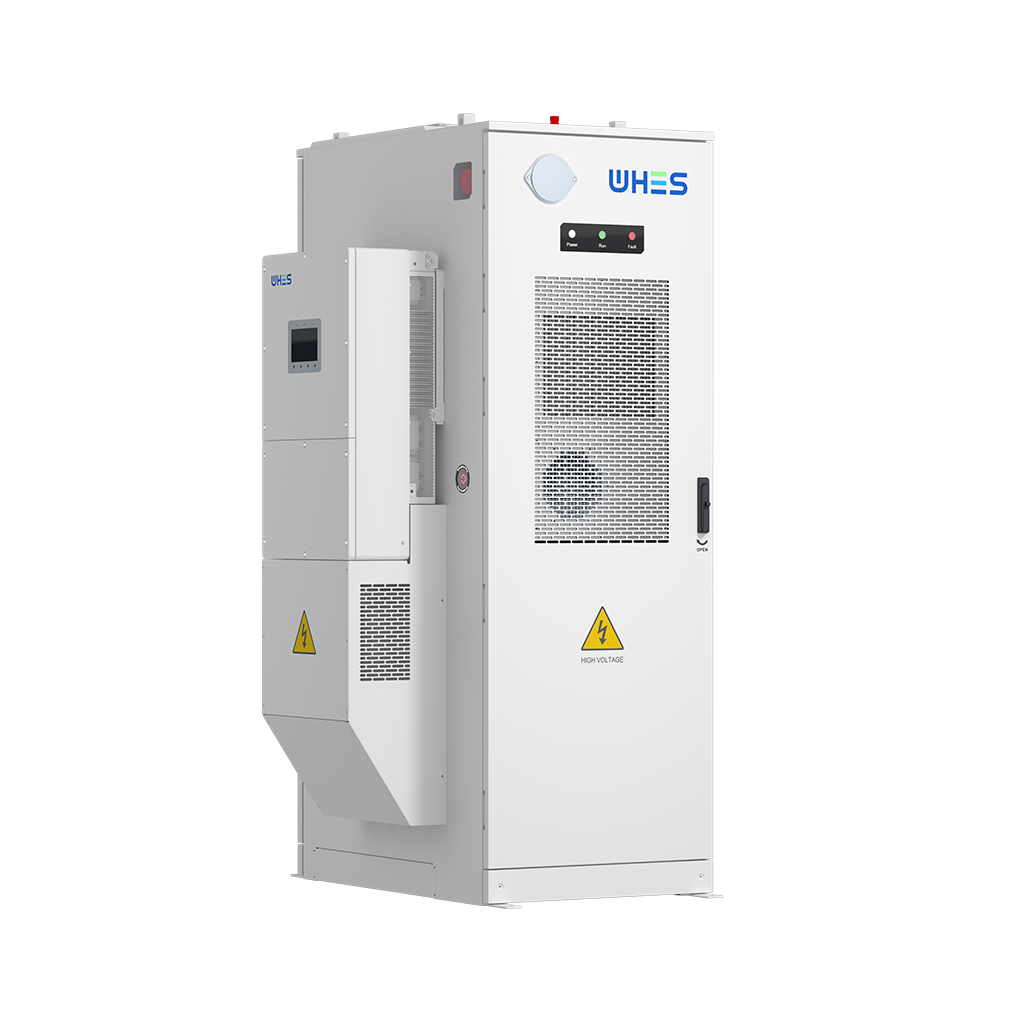
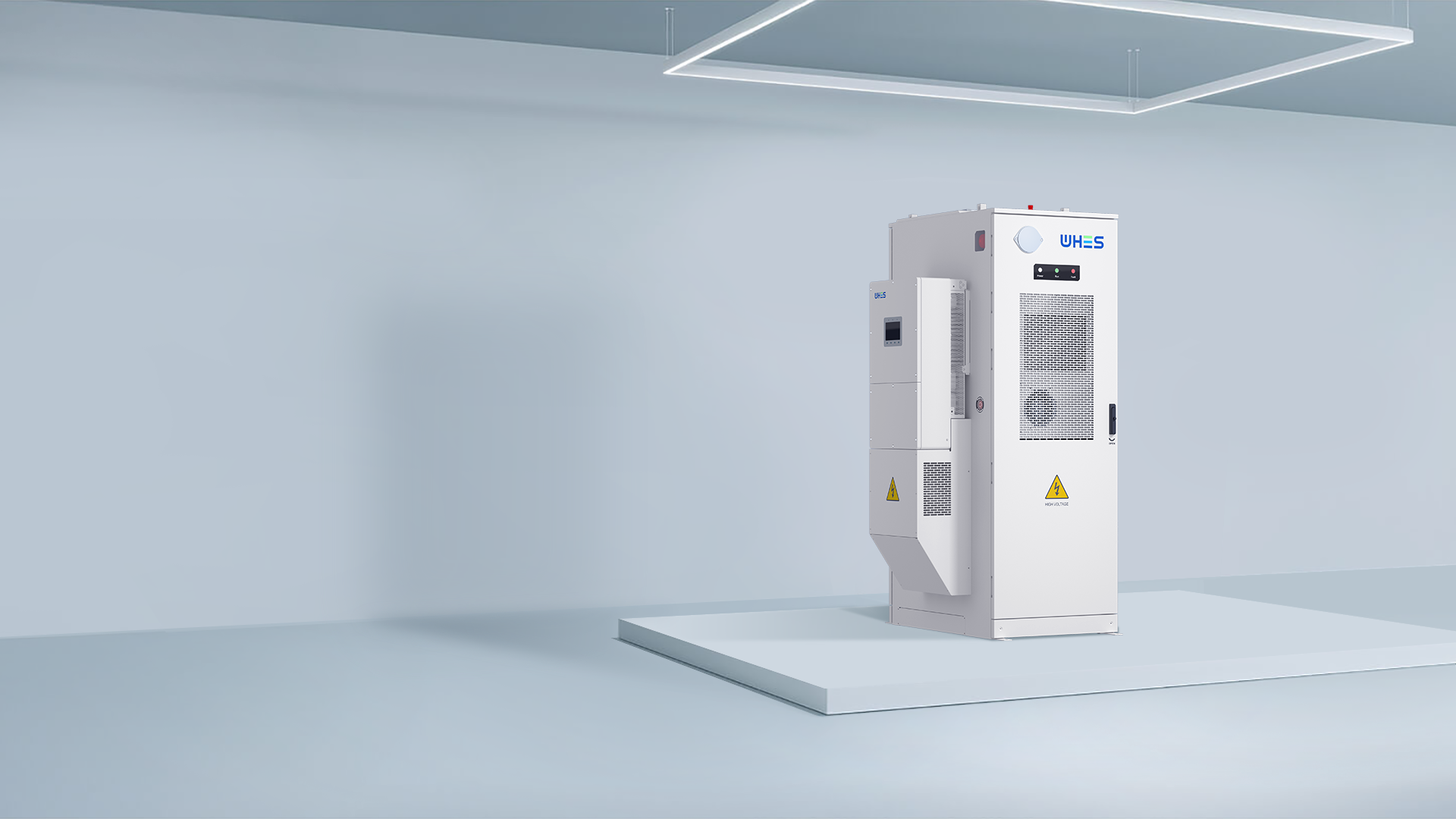
If you’re running utility-scale projects or advising grid operators, the choice between liquid-cooled and air-cooled battery systems isn’t just technical — it’s financial and safety-critical. This comparative piece cuts through vendor pitch decks and gets practical. I’ll call out where liquid cooling actually moves the needle and where air-cooled solutions still win on simplicity. For a hands-on example of integrated systems you can reference, check this solar battery storage offering that packages power, thermal management, and controls into one footprint. EEAT mode: practitioner-led assessment anchored to real-world events like the February 2021 Texas power crisis — a moment utilities tightened specs on resilience and thermal management in BESS deployments.
Quick comparative snapshot
At a glance: liquid-cooled BESS trades higher initial complexity for tighter temperature control, while air-cooled designs prioritize lower CAPEX and easier field service. Pick liquid cooling when thermal uniformity, high power density, or aggressive cycling (high C-rate) matter. Choose air-cooled when simplicity, faster installation, and lower baseline maintenance are your top constraints.
Why thermal runaway drives the decision
Thermal runaway is the failure mode nobody welcomes — once a cell goes, heat propagation can cascade through a rack. Liquid cooling reduces peak cell temperatures and narrows delta-T across modules, which lowers the probability of a thermal event. That’s not magic: better heat transfer coefficient, directed coolant loops, and integrated heat exchangers make the thermal profile more predictable. In contrast, air-cooled arrays rely on convective airflow and are more sensitive to ambient conditions and debris buildup, which can widen temperature spread across cells.
Practical trade-offs: what asset managers actually measure
Here’s what decision-makers track when comparing systems:
- Lifecycle cost vs. upfront CAPEX — liquid systems cost more to build but can extend usable battery life by preventing cell stress.
- Power density and footprint — liquid cooling supports higher kW/kWh per rack, useful when real estate is scarce.
- Maintenance and O&M complexity — air systems are simpler to service; liquid systems need pumps, plumbing, and leak protocols.
- Safety and insurance considerations — insurers often favor systems with engineered thermal management that demonstrably reduce propagation risk.
When air-cooled still makes sense
Air-cooled BESS remains attractive for many projects: distributed, lower-power sites; remote microgrids; and initial pilot projects where speed and cost trump ultimate density. For off-grid or rural deployments — think telecom towers or small community microgrids — an off grid battery storage system with air-cooled simplicity can be the pragmatic pick. It’s about matching the thermal strategy to operational profile and serviceability — not assuming one-size-fits-all.
Common mistakes teams make — and how to avoid them
Teams often misjudge three things: projected cycling patterns, ambient extremes, and integration testing. They’ll size cooling for “average” load rather than peak duty, then wonder why cell temperatures spike during frequency response events. Or they’ll neglect validating performance under seasonal extremes — deserts and coastal sites behave very differently. Finally, skipping end-to-end thermal testing with the actual inverter and power controls is a cost you don’t want later. — Run realistic stress tests that mimic dispatch behavior before you sign the full contract.
Design features to demand from vendors
Ask for clear specs and test evidence on:
- Delta-T across modules at rated discharge and at peak C-rate.
- Leak detection and fail-safe pump strategies for liquid systems.
- Accessibility of service points and modular swap procedures for both designs.
- Proven containment and venting paths in thermal event scenarios.
Three golden rules for choosing the right cooling strategy
1) Match thermal architecture to operational profile — prioritize liquid cooling for high-cycle, high-density applications; favor air-cooled for low-power, quick-deploy needs. 2) Insist on validated thermal models and real-world test data tied to your dispatch scenarios — simulated performance isn’t enough. 3) Evaluate total cost of ownership including degradation rates, insurance premiums, and scheduled O&M rather than just unit CAPEX.
Wrap-up and where WHES fits
Choosing between liquid and air-cooled BESS is a tradeoff between control and simplicity. The right pick depends on your power profile, site constraints, and tolerance for O&M complexity. If you want a practical, integrated option that leans into engineered thermal management while keeping deployment sane, vendors that combine packaged power electronics, thermal loops, and tested controls remove a lot of guesswork — and that’s where a company like WHES becomes relevant in the project conversation. Trust the data, run the real-world tests, and pick the architecture that matches how you’ll actually operate the asset. —