
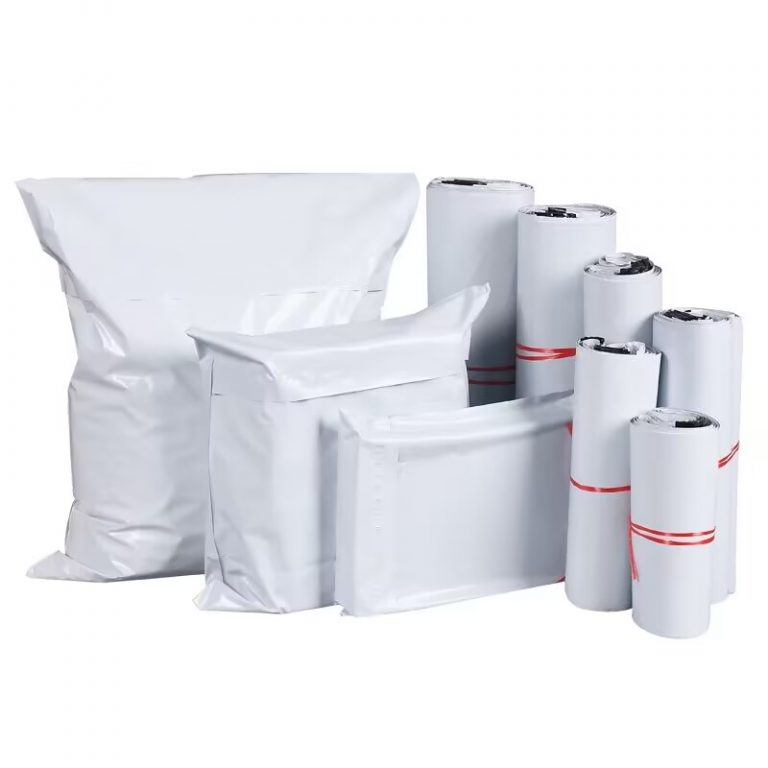
Opening the package with purpose
The story a customer reads when a parcel hits their porch starts long before the courier rings the bell — it begins at the film line, at the extrusion die, and in the decisions you make about material and seal. For brands and fulfillment teams who care about first impressions, the questions are simple: will the printed pouch resist tears on the truck? Will it keep moisture out on a rainy route? This piece walks you through those concerns from the user’s vantage, with practical checks and design choices that matter today, especially after the 2020 e-commerce surge reshaped delivery volumes. If you’re evaluating options, start by testing actual samples of white poly mailers against the handling realities your parcels face.

What users notice first — and why it matters
Customers notice the feel and look: crisp seals, a clean logo, no stretched corners. But underneath that aesthetic sits performance: tensile strength of the substrate, seal integrity at the flap, and whether the mailer sheds water or soaks through. These are not abstract specs — they determine returns, complaints, and brand trust. A wallet-sized scratch might be forgivable; a soaked garment is not.
Quick tests you can run before finalizing a supplier
Run these simple, hands-on checks with production samples so you don’t learn the hard way on the road.
- Patch-and-pull: cut a 2×2 inch sample, clamp it, and apply steady force to evaluate tensile strength and elongation; watch for necking or brittle failure.
- Puncture simulation: use a blunt object (the size of a common box cutter tip) and push through at several angles to see if the film resists tearing.
- Water spray test: expose the sealed bag to a light spray for two minutes and inspect for seepage along seals — this validates seal integrity under realistic wet-handling.
- Logo abrasion: rub the printed logo with a wet cloth and with dry friction to observe scuffing or ink bleed, which affects both brand appearance and potential contamination.
Material choices and trade-offs
Low-cost polyethylene (LDPE) is flexible and forgiving on corners but can be thinner at the same gauge, impacting puncture resistance. Co-extrusion layers add barrier properties — useful if you need water resistance without adding thickness — but they can complicate recycling streams. Die-cut designs reduce excess material and improve presentation, yet they sometimes weaken edge strength if not properly reinforced. Consider where your parcels travel: short urban hops tolerate lighter films; cross-country freight demands more robust substrates.
Design details that reduce damage and disappointment
Two small choices go a long way. First, reinforce the flap and score the peel strip to preserve seal strength — a stronger adhesive and a controlled peel force reduce accidental openings. Second, size your mailer to minimise shifting inside; a snug fit limits internal abrasion and puncture risk. If you add a window or vent, think about location — avoid placing it where corners or seams meet. These tweaks look minor on a spec sheet but cut returns and improve unboxing satisfaction.
Logistics realities — what fulfillment teams will tell you
Fulfillment teams value consistency and predictability: uniform bag dimensions for automated feeders, reliable adhesive performance in varying temperatures, and packaging that withstands conveyor snags. They’ll also flag interaction effects — a glossy finish may slip on a seal bar, and laminates can trap heat during heat-sealing, altering bond strength. — Keep operational constraints in mind when scaling a design from samples to bulk.
Alternatives and when to pick them
If durability is paramount, consider padded mailers or poly mailers with a woven-reinforced layer; they add weight and cost but significantly boost puncture resistance. For waterproofing beyond surface repellency, laminated films or moisture-barrier coatings provide greater protection, though they can complicate recycling. For eco-conscious brands, look for mono-poly films that make recycling easier — they might trade off some barrier performance but align with sustainability claims. Also compare branded white options: while many suppliers offer plain white courier bags, some producers tailor the finish and peel adhesive to better suit high-volume automated packing.
Common mistakes to avoid
Three recurring errors show up in procurement conversations: specifying unrealistically thin gauges to hit unit-cost targets, skipping adhesive and peel testing at different temperatures, and assuming a printed logo won’t affect seal quality. Don’t sign a bulk order without a run of pilot bags through your actual packing line — that single step catches most surprises.
Advisory — three golden evaluation metrics
1) Functional durability score: combine puncture resistance, tensile strength, and seal failure rate from sample tests into one practical metric you can compare across suppliers. 2) Handling compatibility index: validate that the mailer runs cleanly on your feeders and heat-sealers at target throughput. 3) Wet-weather retention: measure seepage percentage after standardized spray tests to judge water barrier performance. Use these metrics as gatekeepers before authorizing full production.
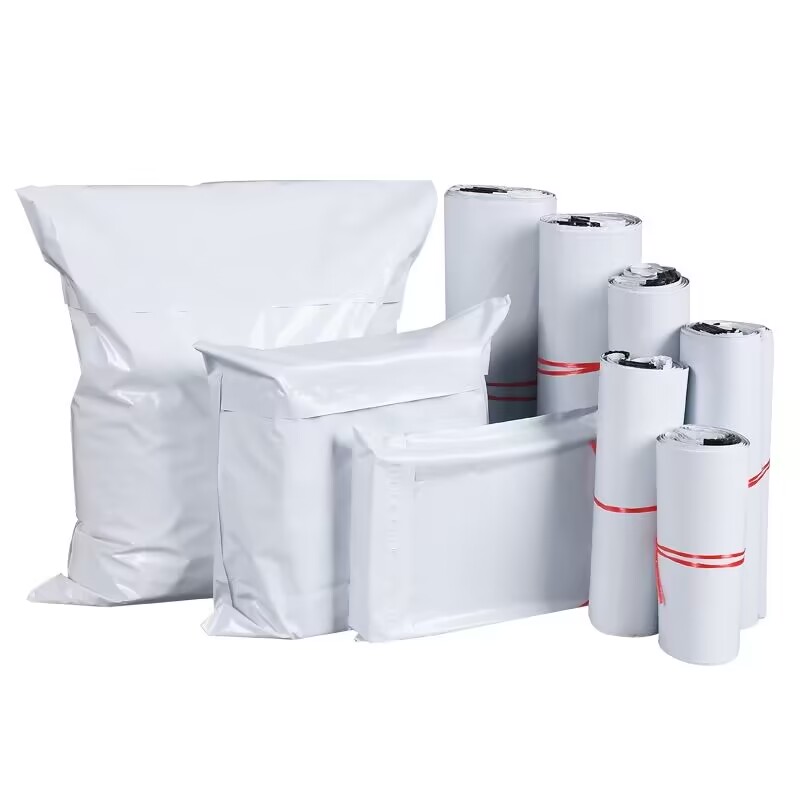
Closing reflection and brand alignment
Choosing the right branded poly mailer is an act of empathy: you’re designing the last touchpoint before your product reaches a person. The practical tests, material trade-offs, and handling checks above build a defensible decision path — and when you need reliable supply and tailored finishes, partners who understand both craft and throughput become invaluable. For many teams that balance presentation and protection, a supplier like WH Packing folds those needs into workable, production-ready solutions — a natural fit when porch delivery is part of your product promise.
Measure, test, and choose with those three metrics in hand — and the package will read like the brand you intend. —