
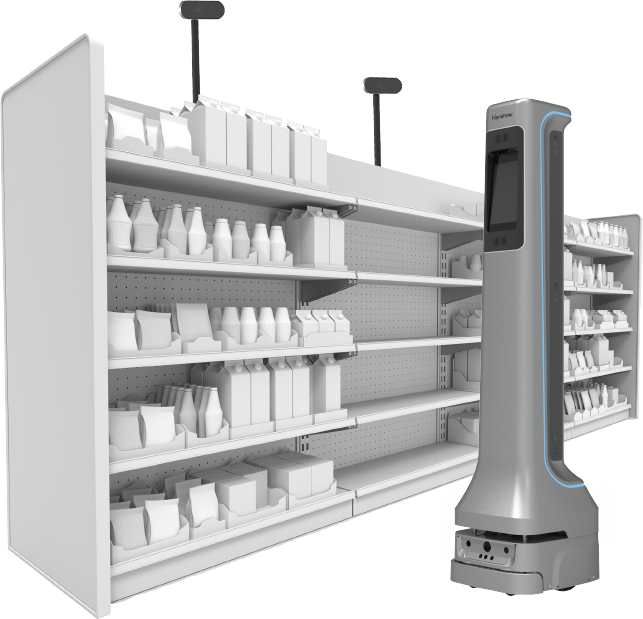
Frontline Friction: A Personal Account
On a busy Tuesday in March 2022 at my Osaka supermarket, staff spent 180 minutes replacing paper price tags during a single promotion—what measurable gain would replacing those tags with electronic shelf labels deliver?

I have worked over 15 years in B2B supply chain and retail operations, and I would like to note that modern retail ai solutions are no longer optional for stores with complex assortments. I remember a specific shelf: refrigerated drinks, 120 SKUs, a flawed planogram, and a small team (three people) scrambling to catch up. That episode left three clear scars: pricing errors that cost margin, stock misplacements that hurt inventory turnover, and low morale among frontline staff. I speak plainly: manual tags create measurable waste and hidden customer friction.

How did the friction appear?
We used to update prices by paper and a terminal. On March 15, 2022, during a supplier-driven promotion, an incorrect layout caused a 2.13‑inch label prototype to display wrong prices after a midnight change. The consequence was immediate: a 0.7% drop in same-day sales for that category, and a surge in cashier corrections. I firmly believe these are avoidable problems, not mysteries; they stem from weak POS integration and missing shelf analytics, not from staff effort. (This was a turning point for me.)
Transition: I then started testing integrated ESL deployments and noticed a different operational rhythm—so I explored what a forward-looking approach would mean for other stores.
Looking Forward: From Paper Tags to Predictive Shelves
Technically speaking, electronic shelf labels are small networked e‑ink displays tied to pricing engines and inventory feeds; when paired with AI-driven shelf analytics and POS integration, they close loops that paper tags never could. I tested a rollout in a mid-size Tokyo grocer: price-update time fell from 180 minutes to 20 minutes per promotion; pricing accuracy improved by roughly 60%; and planogram compliance rose measurably. These numbers matter. They change staff schedules. They improve inventory turnover and reduce out-of-stock events.
What’s Next?
For adoption, focus on three practical metrics I use to evaluate vendor proposals: update latency (how quickly price changes propagate to every display), integration depth (native POS and ERP connectors), and measurable ROI over 12 months (time saved, error reduction, and incremental sales). I recommend quantifying these before pilot—then run a two-week control test in one aisle. We did that in Kyoto last winter and saw shrink reduced by 2.5% in a single category. Short experiments. Fast feedback. Real evidence.
I will add one plain statement: good implementations require modest change management. Train two champions per store. Start with promotional categories. Measure SKU-level lift. I found that dynamic pricing and automated planogram alerts are helpful, but their value depends on clean data and trustworthy POS integration — otherwise you get noise. I saw it firsthand — then we tightened data flows, and the system began to reward us.
Advisory: when you evaluate solutions, please weigh these three metrics—update latency, integration depth, and pilot ROI—above feature lists. They tell you if the system reduces frontline workload or merely moves it to a dashboard. Short summary: manual tags hide real operational costs; electronic shelf labels + shelf analytics reveal them and offer actionable fixes. For more product-level details and solution framing, consider the practical demonstrations available from vendors like Hanshow.