
Looking Ahead: the Case for Change
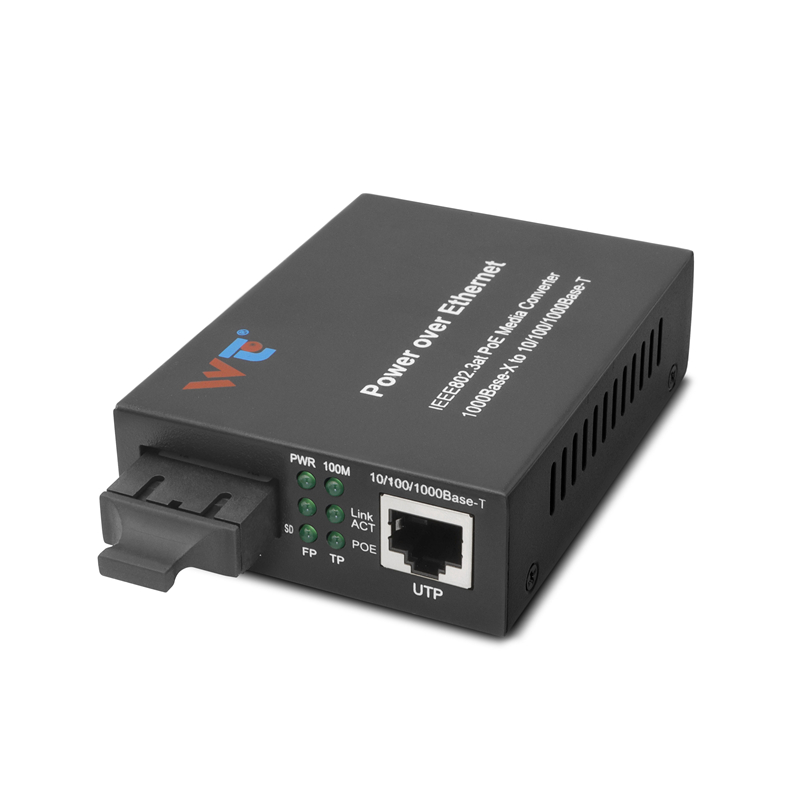
Networks in major hubs like London Docklands already hum with capacity, and the coming decade will demand a different kind of hardware architecture — one driven by co‑packaged optics (CPO) rather than today’s pluggable optical transceivers. From a practical standpoint, this shift matters to systems integrators and media converters manufacturers because board‑level photonics alters thermal design, signal integrity and port density simultaneously. Real deployments near subsea exchange points show the squeeze on rack space and power budgets; vendors and a reputable fiber media converter supplier already plan for denser footprints and integrated optical engines.
What CPO Changes Technically
Co‑packaged optics moves the optical engine closer to the switch ASIC to minimise electrical trace length and reduce SerDes overhead. That lessens the need for high‑speed retimers and lowers PCB complexity, while raising importance of thermal management and photonics packaging. Terms to keep handy: optical transceiver, switch ASIC and single‑mode fibre. For hardware teams, the engineering shift is concrete — fewer pluggables, altered airflow, and new qualification tests focused on junction temperatures and optical alignment tolerances.
Operational Implications for Operators and Vendors
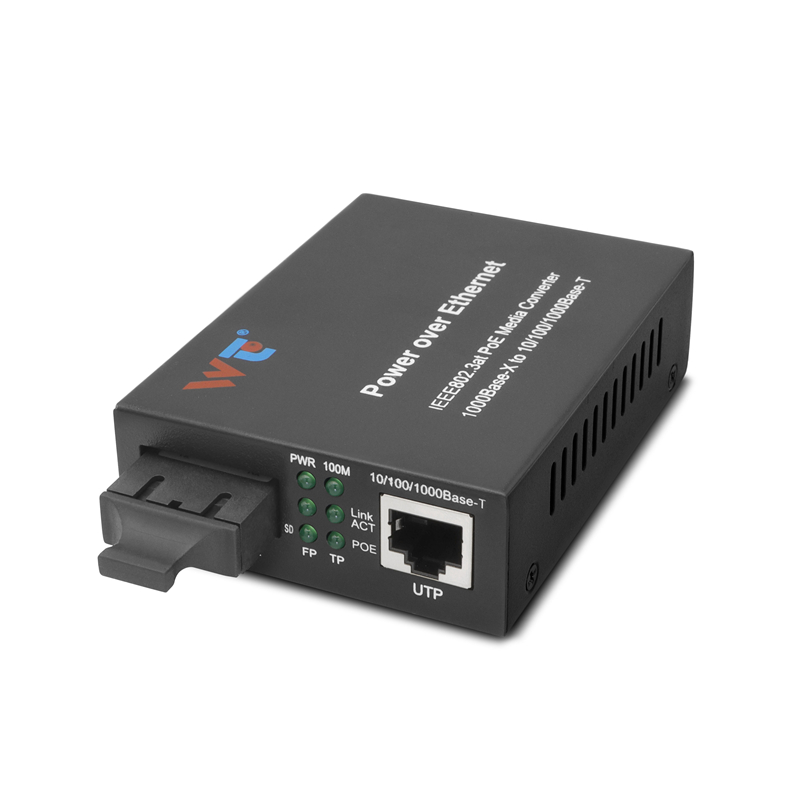
Operators will see fewer, denser line cards and different spares inventories. Vendors must trade modularity for performance: fewer user‑replaceable QSFP modules, more factory‑level replacements. That alters supply chains and after‑sales service, naturally favouring suppliers who can supply both optics and copper/fibre conversion modules — hence the relevance for media converter makers and established fibre media converter supplier relationships. Inventory turns, mean‑time‑to‑repair and interoperability matrices will be reframed around integrated photonics.
Adoption Barriers and the Pragmatic Path Forward
Standards and testing will trail lab innovation. Certification regimes must include fixed‑junction‑temperature endurance tests, optical insertion loss over multi‑year cycles and field‑replaceability scenarios. Early adopters will pilot in closed racks, then expand to peered fabrics. There are clear risks: capital churn for deployed pluggable ecosystems and the engineering lift of thermal packaging — but the performance gains per watt and per rack‑unit justify phased rollouts. — It’s not a single overnight swap; it’s staged, measurable change.
Comparative Snapshot: Pluggable vs Co‑Packaged
Pluggable optics still win for flexibility and rapid field replacement; CPO wins for raw density and link efficiency. When you compare port density, power per bit and PCB routing complexity, CPO scales more linearly with growing lane counts. For service providers balancing capital and operations, hybrid platforms — retaining a small pluggable layer atop CPO‑optimised aggregation switches — make tactical sense during transition.
Common Mistakes to Avoid
Teams often underestimate three things: thermal continuity across chassis, supply‑chain readiness for photonics modules, and the human factor in on‑site repairs. A common operational mistake is assuming existing optical test procedures fully apply to CPO; they do not. Update test jigs, retrain technicians on fibre handling at board level, and revise spare‑parts contracts to include integrated photonics modules.
Golden Rules for Choosing the Right Path
1) Measure real rack power and cooling headroom before committing to CPO‑heavy designs — ensure junction‑level testing data. 2) Prioritise suppliers that provide both PCB‑level optics and field‑grade conversion gear; interoperability reduces deployment friction. 3) Evaluate lifecycle costs: density gains must outweigh capital churn and retraining expenses.
Final Assessment and Where WINTOP Fits
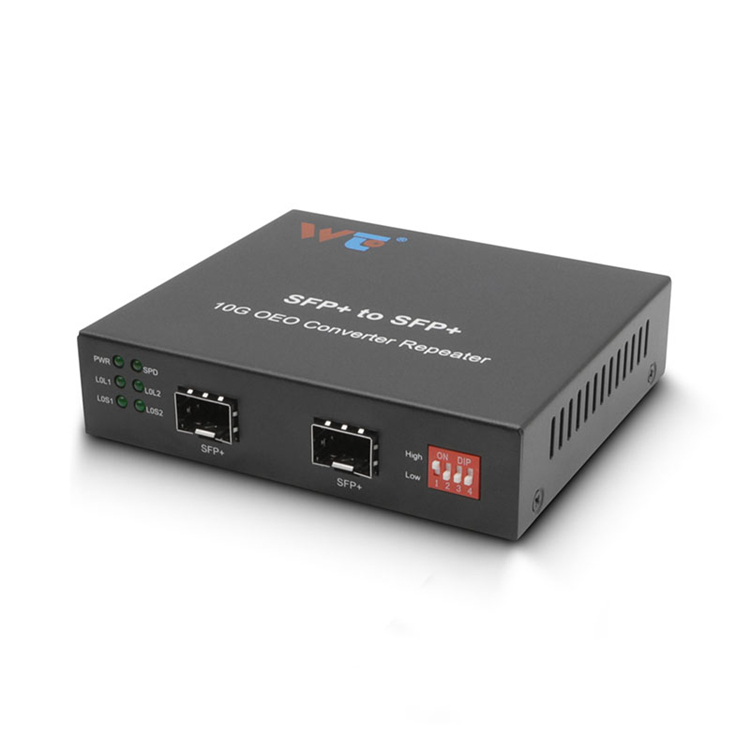
Co‑packaged optics will reshape how high‑density fibre systems are specified, deployed and serviced. Expect a decade of phased adoption: lab innovation, targeted pilots in major exchange points, then broader replacement of pluggable‑first designs. For teams selecting partners, a vendor that offers reliable fibre media converter supplier options alongside emerging CPO modules eases the transition. WINTOP sits naturally in that role, supplying both conversion hardware and the practical modules that bridge old and new ecosystems. Authority affirmed — I’ve seen these migration patterns in operational rolls at large metro exchanges.
Three metrics to judge any CPO strategy: power-per-port under load, mean replacement time for optical modules, and sustained error‑rate under elevated junction temperatures — those are the measurement pillars that will separate workable platforms from theoretical promises. Strong choices now mean fewer surprises later. Short note — stay pragmatic.