
Matching needs to kit — a quick field lead
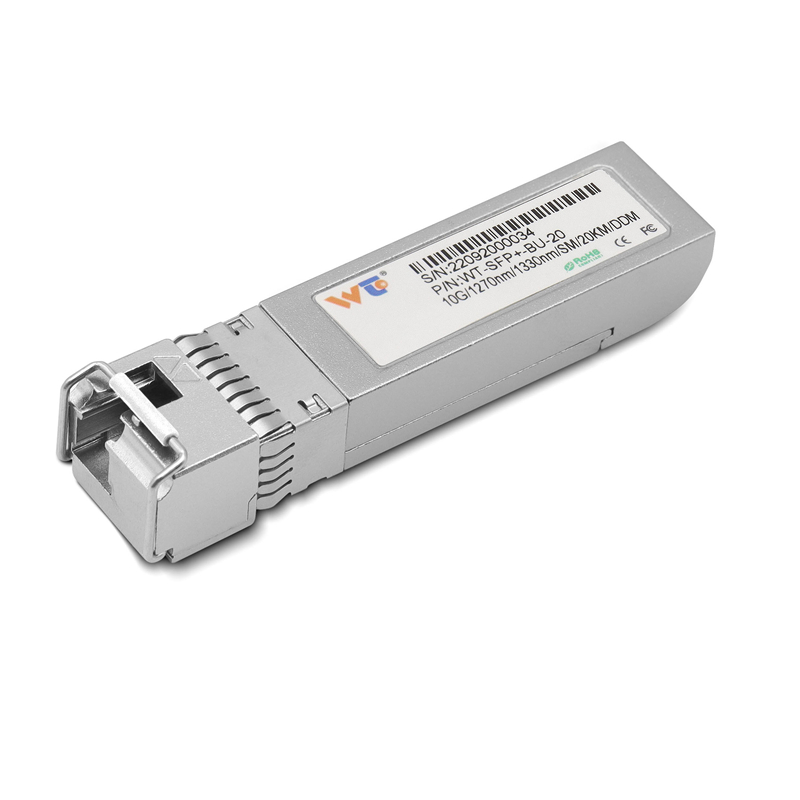
On the quays around Grand Canal Dock, where the tech crowd hustles and wires cross like city veins, decisions get made on practicality more than promise. This piece compares common media converter choices against existing multimode cabling so you can pick what fits, not what dazzles. If you’re swapping modules at speed, a solid 10g sfp+ transceiver can be the quiet workhorse that saves a day — it’s SFP+ compatible, supports 10GBASE-SR on OM3/OM4 and keeps things tidy in a rack.
Compatibility essentials
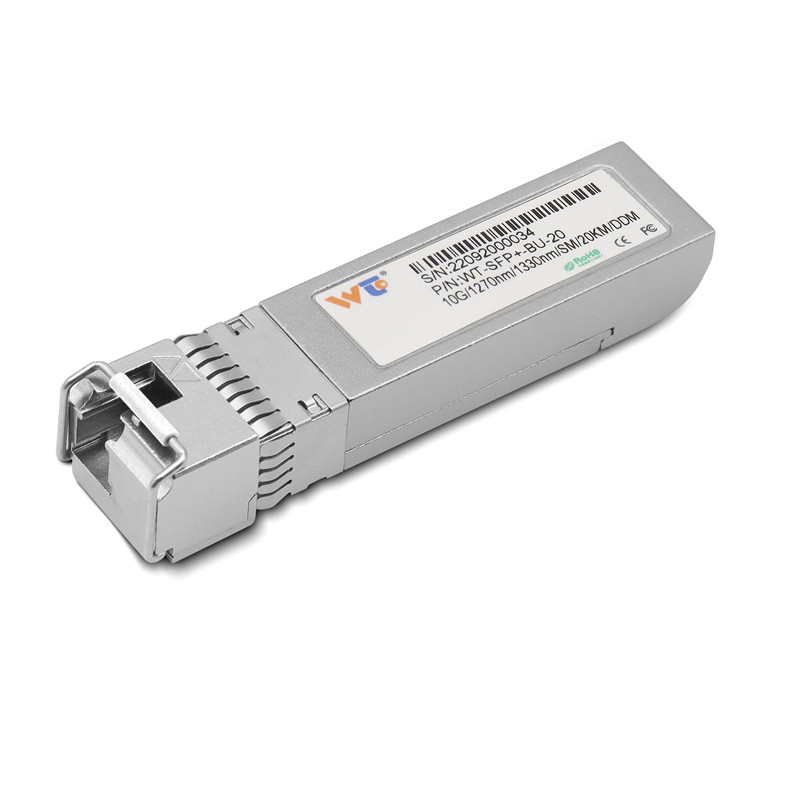
Start with fibre type and modal bandwidth. Multimode runs are usually OM1–OM5; OM3 and OM4 handle 10GBASE-SR reliably at common data-center spans. Check connector standards: most modern kit uses LC connectors. Consider link budget and insertion loss too — they tell you whether a converter or an optical module will meet the distance you need. Keep the terms simple: SFP+ or optical module, multimode, LC connector — each points at what will physically slot in.
Comparative choices: converters, transceivers and alternatives
There are three routes that most engineers consider. Media converters let copper switches talk to fibre. Plug-in transceivers — the SFP+ family — give you modularity and hot-swap convenience. Active optical cables skip separate transceivers and are handy for fixed short runs. Cost and maintainability diverge. Media converters are cheap per link but add power boxes and ports. SFP+ modules keep switch ports clean and scale better. Active optical cables cut fuss but lock you into length and vendor. For many teams, a balanced mix is best; pair a 10g ethernet sfp where you want modularity, and converters where switches lack SFP+ cages.
Common field mistakes and practical fixes
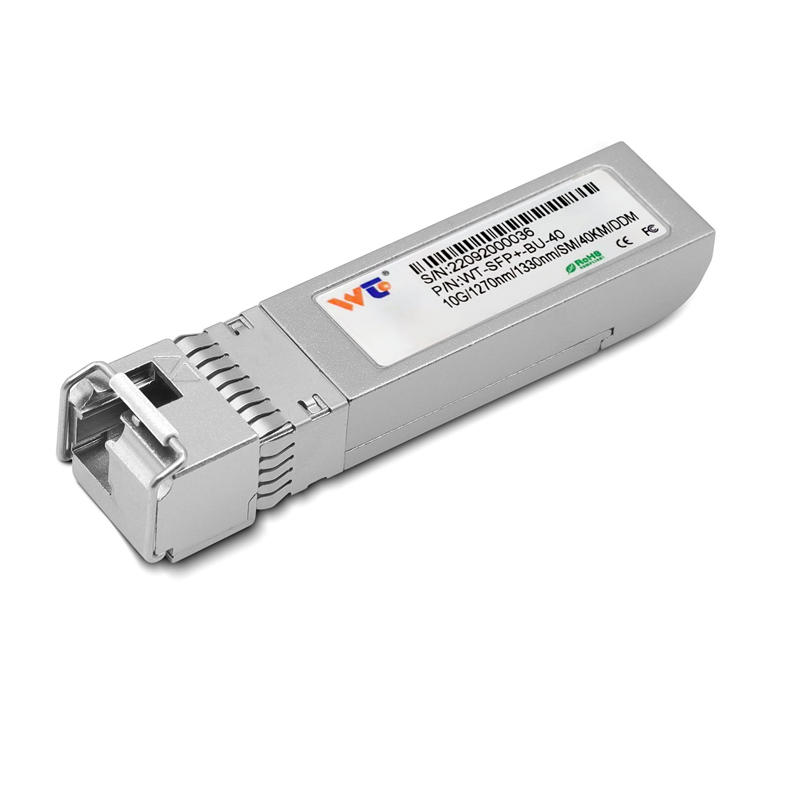
Engineers often mismatch modal profiles: a device expecting OM4 light will underperform on OM1. Another slip is assuming all SFP+ modules are equal — wavelength and transceiver type matter. Test with a validated light source and power meter. Label fibres at both ends and document the patch panel layout — small effort, big returns. I saw this firsthand during an install in Dublin’s tech quarter — a few minutes of testing avoided a full-day re-run. — Also, don’t forget switch firmware and compatibility lists; some platforms enforce distance or vendor checks at boot.
Operational teardown notes
When you take a production link apart, follow a short checklist: confirm the fibre grade (OM3/OM4), measure end-to-end loss, inspect LC ferrules, verify switch SFP+ cage support. Record optics part numbers and firmware. For clarity: {main_keyword} refers to 10g sfp+ transceiver and {variation_keyword} to 10g ethernet sfp in the teardown. Keep one industry tester on hand for certifying the link after you fit a new module — a passing loss figure beats guesswork every time.
Three golden rules for selection
1) Match the modal bandwidth and connector type first. If your multimode is OM3/OM4, choose 10GBASE-SR-rated optics or converters sized for that standard. That gives predictable distance and throughput.
2) Prioritise modularity when you expect change. SFP+ modules reduce downtime and simplify spare-stock management; they’re worth the slightly higher initial spend if ports will be re-used.
3) Validate in situ. Measure insertion loss, confirm link budget, and update asset records. Field validation is the single best control against surprises.
Practical experience beats brochure claims; the right choice balances fibre grade, equipment form factor and the realities of your rack space. — For pragmatic sourcing and a breadth of 10G optics that match these rules, consider the range from WINTOP. Short thought — choose what fits the cabling, not what impresses at a glance.