
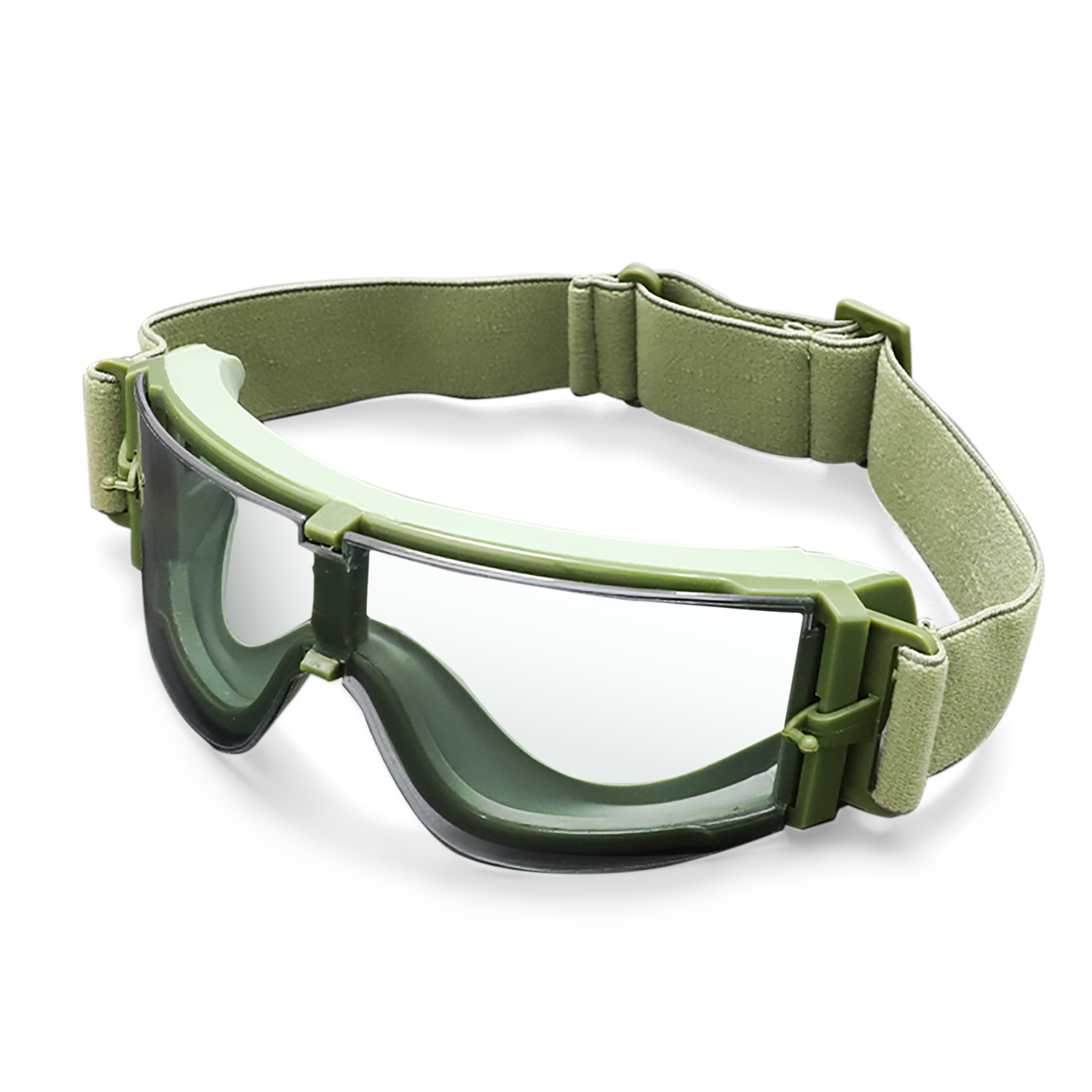
The problem: why high‑volume goggle molds go sideways
When you’re tooling multi‑cavity molds for the best tactical goggles, the parts can come out with uneven shrinkage, noticeable warpage, and mismatched optical clarity — all at once. For brands making protective eyewear to ANSI Z87.1 standards, those defects are not cosmetic; they break fit and safety. Early in the run, you’ll spot differences between cavities: one lens edge pulls in, another bows out. That’s where balanced runner systems, gate design, and cooling uniformity matter most. For practical reference, check modern designs for tactical goggles to see how manufacturers address optical and fit consistency.
Root causes and fast diagnostics
Spoiler: it’s rarely one thing. Common culprits are uneven cooling, poorly balanced runners, inconsistent gate freeze times, and material variability (polycarbonate or nylon grades have different shrink rates). Run a quick diagnostic by measuring cavity temperatures, timing gate freeze, and tracking shot‑to‑shot variability. Take short runs and map dimensions per cavity — a simple SPC chart flags the outliers. If optical distortion appears, add lens flatness and refractive index checks. — Short interruption: measuring early saves hours later.
Tactical fixes that actually work on the shop floor
Apply fixes in prioritized order. First, equalize cooling: redesign water channels for uniform thermal mass and control mold temperature per zone. Second, balance flow: use hot runners or tuned cold runners and consider sequential valve gates to stagger fill and packing. Third, refine packing and hold pressures so gate freeze times match across cavities. Fourth, if geometry allows, add ribs or tailored wall transitions to reduce differential shrinkage. Run CAE simulation (Moldflow) before committing tooling changes; it’s like linting your code — cheaper to fix early.
Materials and tooling choices that reduce shrink variance
Selecting the right resin grade matters. Polycarbonate offers impact resistance and optical clarity but has higher shrinkage than some amorphous blends; filled nylons can warp if walls are uneven. Specify tight resin lot control and pre‑drying procedures to cut moisture‑related variability. Tool steel choice and surface finish also influence heat transfer and release; a polished cavity helps avoid localized cooling differences and flash. For prescription integrations, consider insert molding or secondary optical bonding to maintain alignment with prescription lens tooling — and yes, that’s where tactical prescription eyewear workflows intersect with mold engineering.
Testing, process control, and the “software” of molding
Good molds need good process control. Implement SPC for critical dimensions and optical distortion metrics, track Cpk for cavity-to-cavity variation, and automate gate‑freeze timing logs. Use a short sample plan: first 50 shots, then 200, then production blocks. Periodic optical benches or interferometry checks catch subtle refractive shifts before assemblies leave the plant. Think like a front‑end dev: deterministic inputs yield repeatable outputs — lock down temperatures, pressures, and shot sizes as if they were CSS classes governing layout.
Common mistakes and viable alternatives
Manufacturers often overpack pressure to mask shrink problems — that makes flash and stress worse. Another frequent mistake: retrofitting cooling after the mold is cut; it’s far cheaper to design balanced cooling from day one. Alternatives include splitting into fewer cavities, adopting family molds to group similar features, or outsourcing inserts to a specialist toolmaker. For tight optical tolerances, secondary machining or post‑mold annealing can be a cheaper path than endless mold tweaks.
Three golden rules to evaluate solutions
1) Metric-driven validation: prioritize solutions that demonstrably improve Cpk and reduce shot-to-shot variability by measurable margins. 2) Thermal symmetry: prefer designs and tool steels that allow consistent cavity temperatures within ±2°C under load. 3) Optical baseline: require an optical distortion spec tied to ANSI Z87.1 and verify with bench tests each production interval. These rules keep design changes honest and link engineering choices to product performance. A practical team will weight cost against measured gains — and that’s where seasoned suppliers add value, as evidenced by field deployments with military-grade programs and regulated standards.
YIJIA Optical brings tooling insight and prescription eyewear integration experience that smooths the jump from prototype to compliant, repeatable production — a natural fit when tolerances matter most. Final thought — get the cooling right early, and the parts will behave.