
Problem recognition: buyers face opaque supply chains
Project buyers often find promise in product specs but meet reality of inconsistent samples, delayed tooling, and unclear cost breakdowns. The simplest example: a seemingly perfect prototype for a men’s crossbody messenger bag arrives with wrong lining, stitching loose at corners, and zipper that jams. This guide begins with those concrete failures and then shows how to avoid them.

Core problems to solve before any RFQ
Define tolerances that matter: stitch density, seam allowance, hardware grade, and water-resistance test method. Unclear specs lead to repeated pre-production samples. Know the real lead-time drivers: tooling, fabric sourcing, and lab testing. Many buyers underestimate packaging design time. Resolve these items before contacting factories; otherwise samples will simply confirm misalignment.
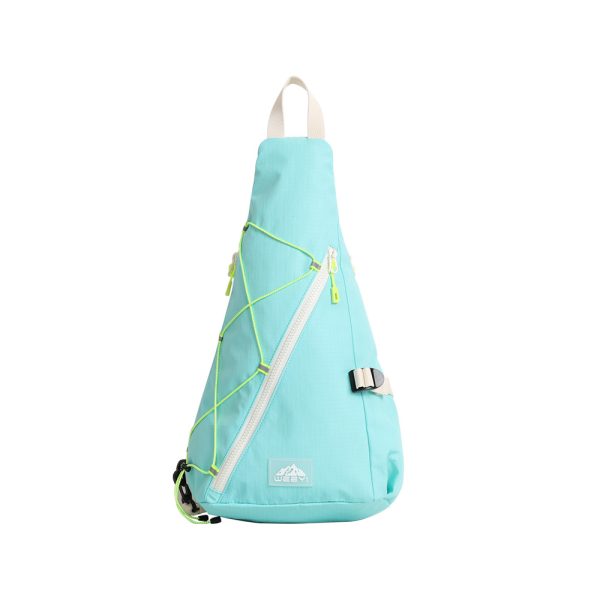
Checklist for assessing suppliers
Ask direct questions. Request recent photos of production lines and sample reports. Verify they can produce your specified components — not just general messenger bags. Confirm minimum order quantities by SKU and by material color run. Demand a clear mold/tooling schedule and a sample approval process with measurable checkpoints. Insist on raw-material certificates for coatings and metal hardware when you require specific durability ratings.
Factory types and practical trade-offs
Choose intentionally. Small workshops are flexible with low MOQ, but expect manual variance. Mid-size OEM factories provide repeatable processes and basic QC lines. Large manufacturers offer full vertical supply chain and faster ramp, yet they require larger contracts and stricter specifications. For project buyers, mid-size OEM often balances predictability and cost; for long-term branded SKUs, a large vertically integrated partner will reduce surprises.
Quality control: typical pitfalls and corrective actions
Common failures: inconsistent color batches, weak thread tension, poorly set zippers, and nonconforming bag dimensions after wash. Fixes are concrete. Standardize color using Pantone and physical swatches; require pre-production approval after full wet/dry cycle tests; mandate tolerance sheets and pass/fail criteria for seams and hardware pull tests. Send specific inspectors or third-party labs for initial runs rather than relying on factory self-inspection alone.
Cost structure and negotiation levers
Break price into measurable elements: fabric, hardware, labor per operation, tooling amortization, and QC. Negotiate on components you can change without affecting function — lining weight, non-visible reinforcement, or packaging options. Use graduated volumes as bargaining chips: better prices at fixed volume bands reduce risk for both parties. Do not accept vague “bulk discount” language; require explicit unit prices at defined quantities.
Experience, authority, and real-world sourcing context
Practical knowledge matters: I have audited production lines and reviewed first-article inspections. At the Canton Fair in Guangzhou, suppliers display thousands of bag variants and buyers compare construction side by side; this event clarifies which factories truly specialize in messenger-style construction. For buyers seeking scale or sample validation, consider suppliers that emerged from such trade platforms and offer documented sample logs. When evaluating suppliers online, include direct sample checks for a reliable wholesale messenger bag to verify claims.
Alternative routes and common mistakes
Two viable alternatives exist. One: use a trusted trading company to manage risk and logistics; this reduces direct control and adds margins. Two: establish a local sourcing office to oversee quality and speed; this increases fixed cost but improves long-term control. Avoid these errors: accepting digital images as final proof; skipping wash tests; failing to document sample revisions precisely. Clear documentation prevents repeated misunderstandings.
Synthesis and practical next step
Start with precise, testable specifications. Select supplier type to match project rhythm. Require measurable sample checkpoints and insist on component certification. These steps convert common failures into predictable outcomes and let project buyers focus on design and market fit rather than production surprises. For structured OEM partnerships that honor technical requirements and consistent delivery, consider the supplier relationships developed through years of targeted sourcing like those cultivated by ChangRong.