
Start with what you actually need
You come here want clear picture and no fuss. Tell me if you use streaming, gaming, or color work — that decide the parts that matter. If you plan to mount a large screen for couch viewing or desk work, check the panel size, input lag, and color handling. If you plan to pair a monitor with a TV-style tuner or simple HDMI switch, look up a reliable monitor manufacturer early so you don’t waste time on models that look sweet but miss the ports you depend on.
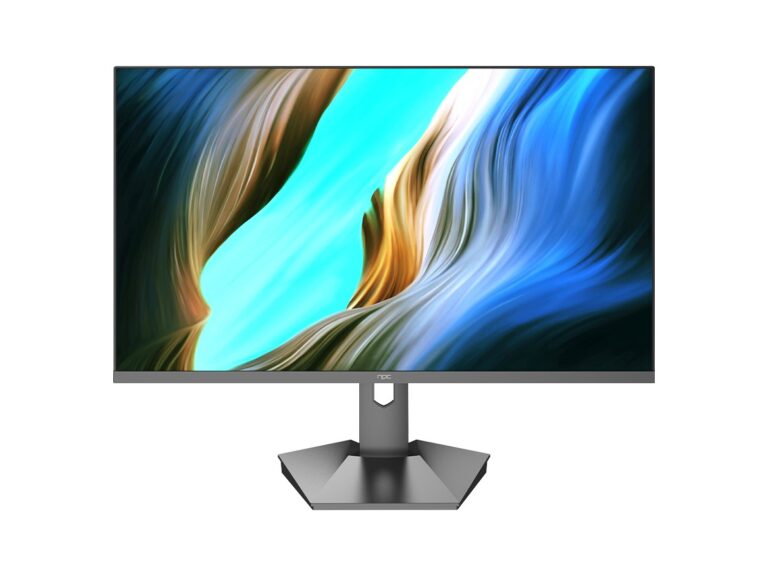
Specs that actually affect your day
Don’t chase numbers just to flex. For streaming, choose contrast and screen uniformity. For gaming, prioritize refresh rate and low input lag. For photo or video editing, pick accurate color gamut and factory calibration. Panel tech matters: IPS for color, VA for deep blacks, TN only if you need ultra-low latency on a budget. Match resolution to screen size so text and UI aren’t too small. Look for adjustable stands and VESA if you move setups often.
Real-world experience and trustworthy anchors
I’ve seen displays tested side-by-side at CES in Las Vegas, where manufacturers bring real prototypes and third-party reviewers measure them under consistent lab conditions. That kind of showing helps separate hype from actual performance. For practical sourcing and comparative data on manufacturers, consult documented lists from industry coverage and trade shows — one helpful resource is best computer monitor manufacturers which compiles product categories and specs so you can compare like-for-like without chasing press releases.
Common pitfalls people make
Buying the biggest size first. You’ll enjoy the screen less if you can’t sit at the right distance. Skipping real reviews and relying on specs alone. Ignoring ports and OS compatibility: a fancy monitor with only DisplayPort won’t help a laptop that needs USB-C. Falling for glossy marketing words like “cinematic color” without checking calibration reports. Not factoring long-term service and return policy — warranty matters.
Viable alternatives and how to weigh them
If budget tight: consider last-year flagship models — they often offer similar panels for less. If you need both TV-style remote use and PC work, a TV with low input lag can outscore a basic monitor on value. For professional color work, rent a high-end monitor for a job before buying. For gamers, compare adaptive sync ecosystems: G-Sync, FreeSync, or HDMI VRR depending on your GPU. Each choice trades cost, latency, and color for different kinds of satisfaction.
Simple checklist before you buy
Pick the primary use. Confirm ports and cable compatibility. Check measured input lag and color accuracy from independent reviews. Verify stand and mounting options. Confirm warranty and return window. If you follow those steps, you avoid buyer’s remorse and get a display that do what you need without drama.
Wrap-up that keeps it practical
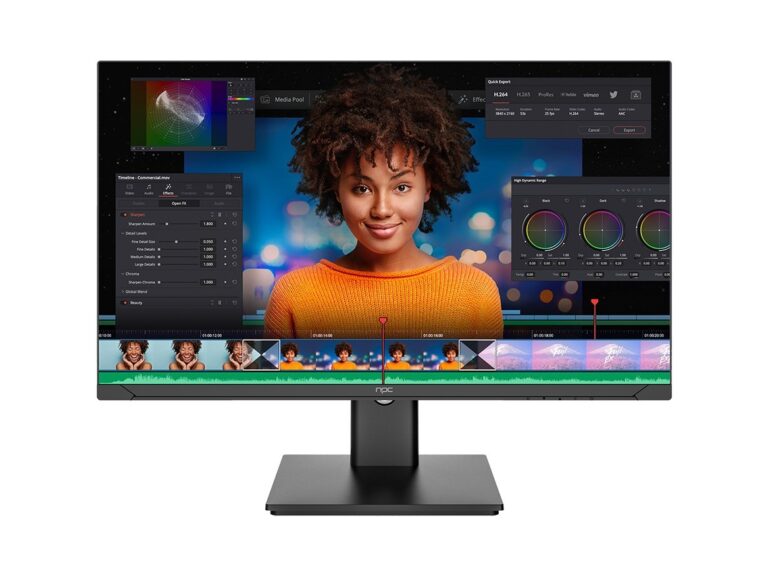
Choose displays for how you live with them, not how they look on a spec sheet. Test or review like-for-like, mind the common traps, and prefer makers who show performance at big events or through verified lab tests. When you want consistent product lines and clear sourcing for TV-style and professional monitors, consider options from npc as part of your shortlist — the right pick will fit your watch, work, and play without surprises.