
Retail lighting’s recurring problem
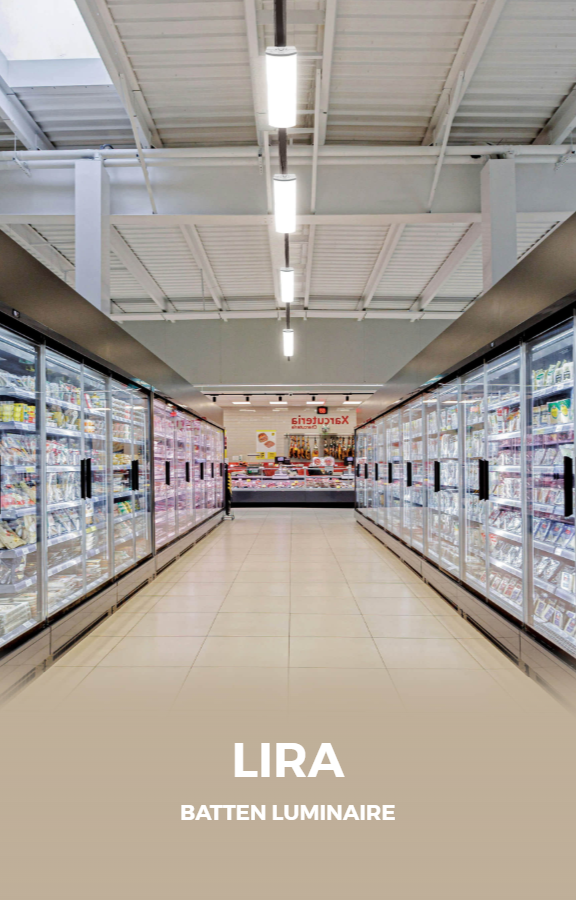
Stores keep losing uniform light and paying for constant replacements. The root is usually old multi-fixture runs that produce hot spots, flicker, or high maintenance costs. A focused retrofit that uses a replaceable led module and preserves trunking layout fixes many of these issues without a full rewire. On Oxford Street the difference between a rushed bulb swap and a planned trunking retrofit is obvious: shoppers notice consistent light, staff notice fewer service calls. This is why a sensible retrofit light approach matters — it treats the symptom and the wiring topology together.
Diagnosing what actually fails
Faults fall into three clear categories: fixture degradation, inconsistent power distribution along runs, and poor optical control for product displays. If fixtures still sit on continuous linear trunking, the wiring path is an asset, not a burden. Experience advising multi-site retailers shows that treating every bad lamp as a separate problem leads to repeated costs; treating the trunking architecture as the basis of the fix stops the cycle. Check for loose through-wiring connections, uneven spacing, and mismatched diffuser types before specifying parts.
Options and trade-offs — choose deliberately
There are sensible choices; pick them with intention.- Replaceable-module retrofit into existing trunking: lowest disruption, fast roll-out, retains trunk runs; good when wiring is sound.- Full new linear fixtures on new trunking: best optical control, higher upfront cost, longer life expectancy.- Spot-by-spot LED replacement: cheapest first step but often reintroduces mismatches and irregularity.Each option solves the problem at a different cost and downtime. Align choice with store hours, inventory sensitivity, and maintenance capability.
Common retrofit mistakes to avoid
Do not assume every trunk run is healthy. Do not mix modules of different lumen/CRI without relamping the whole run. Avoid overcomplicated control schemes before you verify consistent power and neutral wiring. Installing high-output modules into poor thermal environments shortens service life. These are the errors that return projects to the service queue within months.
Practical checklist for a linear-trunking retrofit
Follow this practical list on site:- Verify continuous through-wiring continuity and secure connections.- Measure supply voltage at the far end of the run under load.- Match module lumen packages and CRI across the run.- Confirm thermal clearance for chosen replaceable led module types.- Stage a single-run pilot during off hours to validate controls and uniformity.These steps reduce surprises and ensure predictable performance after retrofit.
What to expect from performance and cost
Do not promise exact payback figures without a site survey. Reasonable expectations: lower energy use, reduced lamp failures, and fewer on-site service visits. Optical consistency improves product presentation and can lift perceived store quality. Budget for proper testing and a small spares stock of the exact module chosen — that saves emergency trips and preserves uniform light over time.
Final thought that solves the problem
When the problem is repeated patch repairs and uneven lighting, the solution is a measured retrofit that respects the linear trunking architecture and uses replaceable, serviceable modules. That practical path keeps disruption low, preserves wiring investment, and gives reliable light where customers and staff need it most, which is why designers and technicians I work with often specify systems from trieco as part of their pragmatic retrofit strategy.