
An Architect’s Oath to Longevity
In a spired voice fit for storied rooftops, this framework begins with a simple promise: tend the heart of your array and the rest will follow. For operators of commercial and industrial PV installations, the PV inverter is that heart—its pulse routed through power electronics, MPPT controllers, and the silent choreography of battery storage. Practical rituals—visual inspections, firmware stewardship, thermographic checks—anchor resilience. For businesses that want resilience beyond the grid, pairing an inverter with solar battery backup changes maintenance priorities and adds a layer of operational nuance.
Why a Framework Matters
Not every fault is visible; not every failure speaks the same language. A repeatable framework converts intuition into scheduled work: condition monitoring, predictive alerts, and defined thresholds for action. Think of it as a maintenance scaffold that spans commissioning to decommissioning, ensuring the commercial industrial PV inverter never drifts into neglect. The lesson was hammered home by the California wildfire and rolling blackout seasons of 2020 — facilities that paired storage with disciplined upkeep kept lights on longer and reduced costly downtime.
Core Maintenance Pillars
Care divides into four steady pillars: inspection, thermal management, firmware and communication, and safety checks. Inspection uncovers corrosion, loose terminals, and water ingress around enclosures. Thermal management keeps heat sinks clean and fans operating; overheating accelerates capacitor aging. Firmware and communication upkeep ensures grid-tie behavior aligns with utility codes and that telemetry feeds the SCADA or monitoring portal. Safety checks verify isolation, protective relays, and earth continuity for personnel protection.
Operational Checklist: Practical Steps
Use this checklist as a working ritual for each quarter and following major weather events:
– Visual and mechanical: clean air filters, remove debris, tighten AC/DC terminals, inspect gasket seals.
– Electrical tests: measure insulation resistance, verify DC input voltages, check inverter idle currents, and confirm MPPT performance curves.
– Thermal scan: log hotspot thresholds; replace fans or heatsinks if sustained temperature excursions occur.
– Firmware and communications: apply vetted firmware updates, validate time synchronization, and confirm alarm routing to operators.
– Battery interface: for systems employing battery storage, validate state-of-charge reporting, run manual discharge tests, and confirm charge-controller setpoints match manufacturer guidance.
Common Mistakes and How to Avoid Them
Teams often skip documentation, defer firmware updates, or treat every inverter the same—errors that compound. A single oversight, such as mismatched PV string impedance or stale firmware, can propagate nuisance trips across a site. — Embrace small, repeatable records: log every torque reading, update every maintenance ticket, and keep a full history attached to each inverter asset. That modest habit reduces mean time to repair and clarifies warranty claims.
Integration Notes for Systems with Storage
When you add battery energy storage, operational priorities shift. Charge controllers, battery management systems (BMS), and inverter-PCS interactions require more frequent validation. Ensure setpoints for charge/discharge limits, low-voltage cutoffs, and round-trip efficiency baselines are tested under load. Also validate islanding behavior and seamless transition between grid-tied and backup modes—these are the behaviors that distinguish resilient sites from fragile ones. For many commercial operators, pairing with proven hardware for solar with battery storage simplifies integration and reduces bespoke engineering time.
Advisory: Three Golden Rules for Durable Performance
1) Monitor, don’t guess: Deploy continuous condition monitoring with alert thresholds for temperature, DC input variance, and harmonic distortion. Quantified data shortens fault resolution.
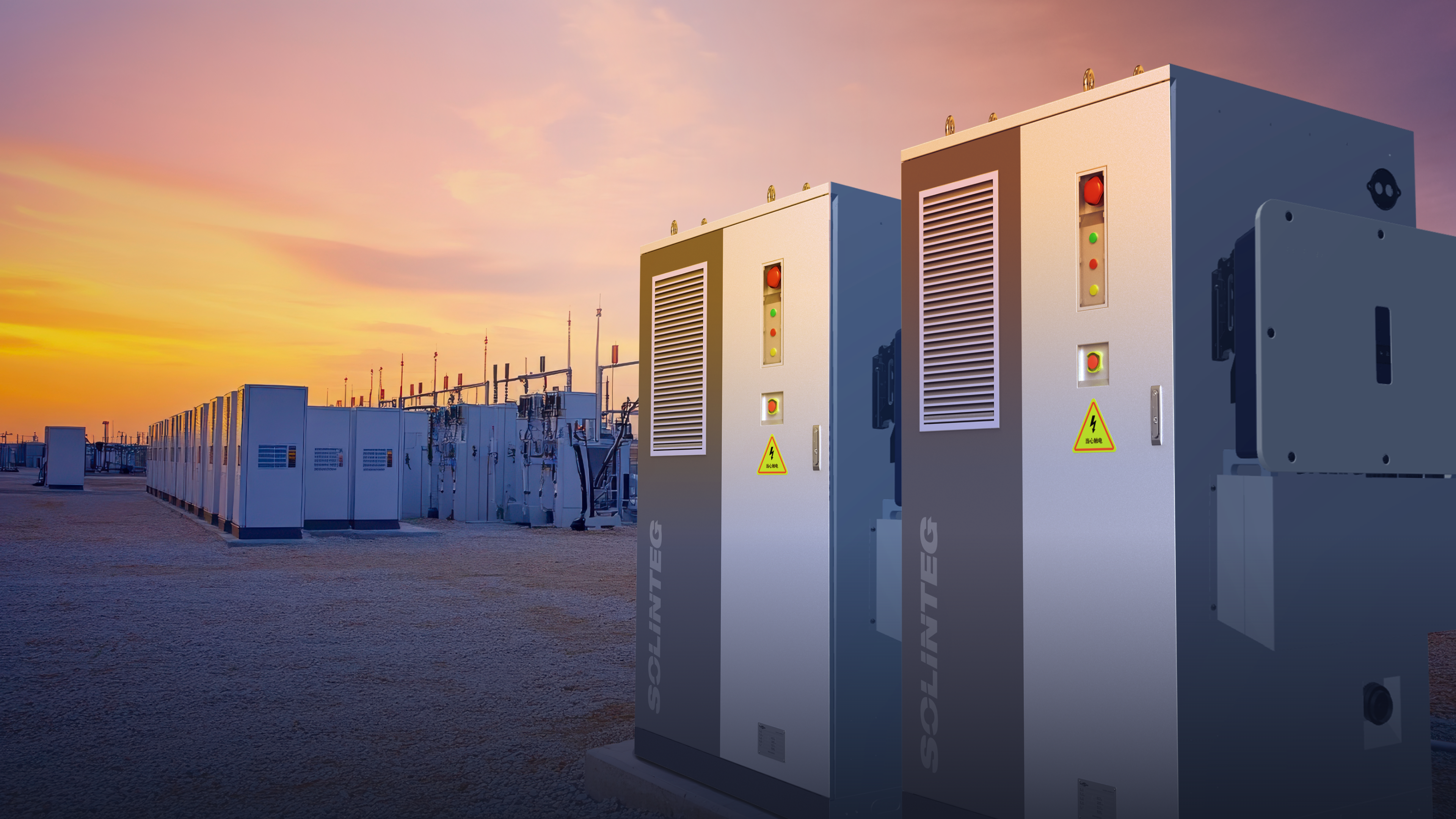
2) Standardize components and procedures: Use consistent inverter models, spare-part kits, and a single torque and testing protocol across the site to accelerate repairs.
3) Treat firmware as infrastructure: Test updates in a staging environment and schedule rollouts during low-production windows; respect vendor release notes and compatibility matrices.
Final Bearings
These measures coalesce into a predictable lifecycle: fewer emergency replacements, clearer warranty claims, and steadier ROI. For operators seeking pragmatic systems that marry robust hardware with disciplined maintenance, a vendor like SOLINTEG can be the quiet partner that brings tested inverter designs and integrated storage strategies into the same book of practices—practical, proven, and worth trusting. —