

Facing the problem head-on
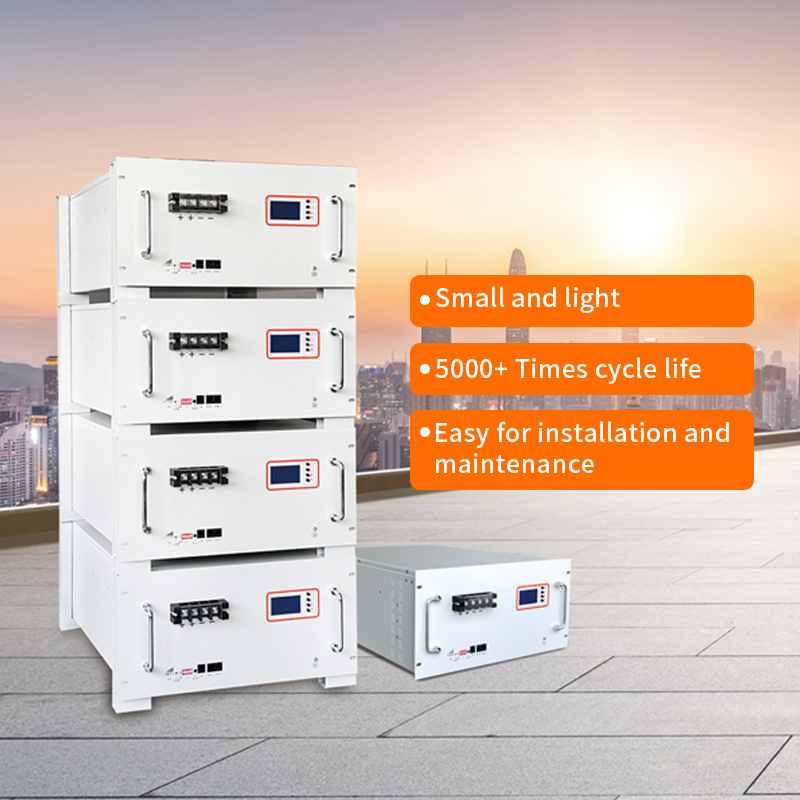
Wholesale all‑in‑one battery cabinets that work fine in temperate warehouses often fail in extreme arid deserts or sub‑zero zones because the battery management system (BMS) wasn’t tuned for those stresses. A BMS that ignores wide temperature swings will let cells drift in state of charge (SOC), suffer accelerated capacity loss, or trigger unnecessary safety cutoffs. Real-world events—like the Texas winter storm in February 2021 and repeated summer heat episodes in the U.S. Southwest—make this plain: environmental extremes change how you must configure and monitor systems. If you’re evaluating a rack‑mounted system, investigate the product and its control logic carefully; see this commercial battery storage as an example of how layout and component choices matter.

How extreme arid and sub‑zero conditions damage cells and systems
High heat speeds chemical degradation and increases internal resistance, while deep cold limits usable capacity and impedes charging. Both extremes stress cell balancing and the thermal management loop. The BMS must manage charge/discharge windows, apply derating curves, and command heaters or cooling fans as needed. Without these controls, you’ll see faster cycle fade, increased maintenance, and higher replacement costs. Industry terms to know here: thermal management, SOC, LFP chemistry and cell balancing—each ties directly to lifespan and safety.
Concrete BMS configuration strategies that reduce failures
Treat the BMS as the active defense rather than a passive logger. Useful configuration moves include:
– Adaptive derating profiles: limit charge and discharge current based on cell temperature rather than a single static threshold. – Integrated thermal control logic: let the BMS operate heaters in cold starts and staggered fan control in heat to avoid thermal shock. – Conservative SOC windows at temperature extremes: narrow the usable SOC range when outside the optimal band to protect cell chemistry. – Alarm and tiered response plans: immediate cutoffs only for safety-critical faults; otherwise gradual derate with logged diagnostics. These steps increase upfront complexity but typically lower lifecycle replacement and maintenance. And yes—that changes how you model commercial battery storage costs when you compare systems.
Common mistakes and practical alternatives
Avoid these traps: applying one-size-fits-all firmware, skipping field temperature profiling, and under‑specifying enclosure insulation. Many teams also underestimate interaction effects—thermal insulation reduces cooling airflow efficiency, for example. Consider alternatives to pure all‑in‑one cabinets when the site sees extremes: a hybrid approach with modular external HVAC for desert installations, or internal heaters plus insulated skins for arctic sites. Each alternative shifts procurement and operating expenses, so capture those in your total cost model.
Deployment checklist and commissioning tips
Before activating a wholesale system in harsh climates, follow a short checklist: perform temperature ramp tests across the expected range; validate BMS derating and failover sequences; log cell balancing behavior for multiple cycles; and verify remote telemetry and automated alerts. Include firmware update plans and a scheduled thermal calibration cadence. Field data from early commissioning—ambient temperature profiles, charge/discharge currents, and balancing trends—will guide the BMS tuning over the first months.
Three golden rules for selection and evaluation
1) Measure responsiveness: choose a BMS with configurable derating curves and proven control loops that respond within defined seconds to temperature excursions. 2) Prioritize telemetry fidelity: good data beats guesswork—select systems that export cell‑level temps, voltages, and balance currents in near real time. 3) Build for climate ops, not only nominal specs: ensure the vendor provides documented testing for the specific ambient extremes you expect and clear guidance on enclosure and HVAC pairing. Together these metrics give a clear way to compare vendors and quantify risk.
Field experience shows that thoughtful BMS configuration lowers unplanned downtime and lifetime replacement spend—practical moves, measurable returns. For projects where environmental stress is the main risk, the right design choice points to solutions like those offered by gsopower —a partner that ties enclosure design, LFP chemistry, and BMS logic into a coherent package. —