
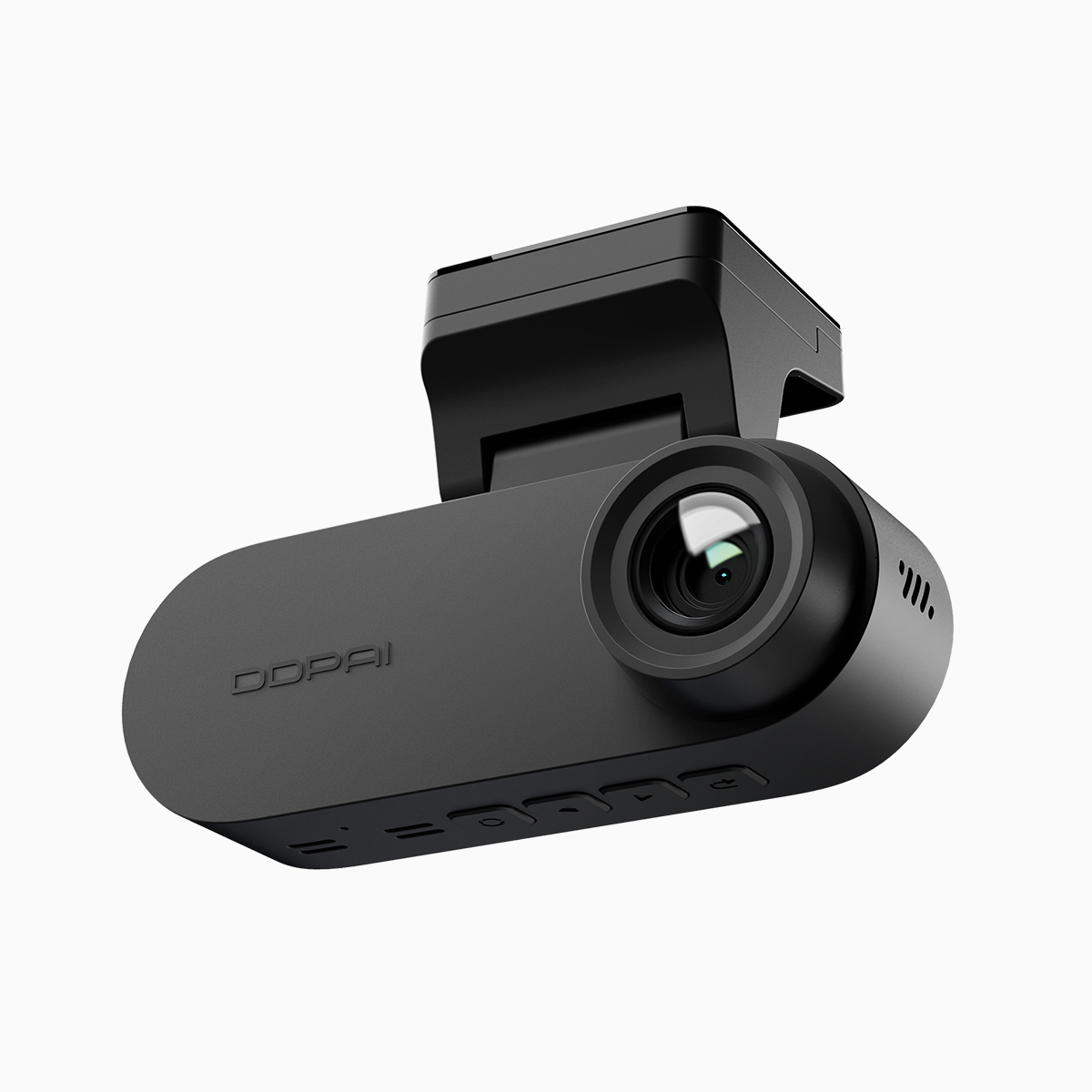
Comparative snapshot: what two lenses buy you after dark
The difference between a single camera and a dual setup is often decisive at 2 a.m. on a crowded overpass — which is why drivers in Metro Manila and other high-traffic corridors have started fitting front and rear dash cam systems more often. A properly tuned combination of front and rear capture, with good front and rear dash cam philippines support, reduces ambiguity in collisions and proves crucial during disputes on roads like EDSA. This Comparative Insight will walk you through the practical differences — from night vision performance to legal defensibility — so you can compare with purpose.
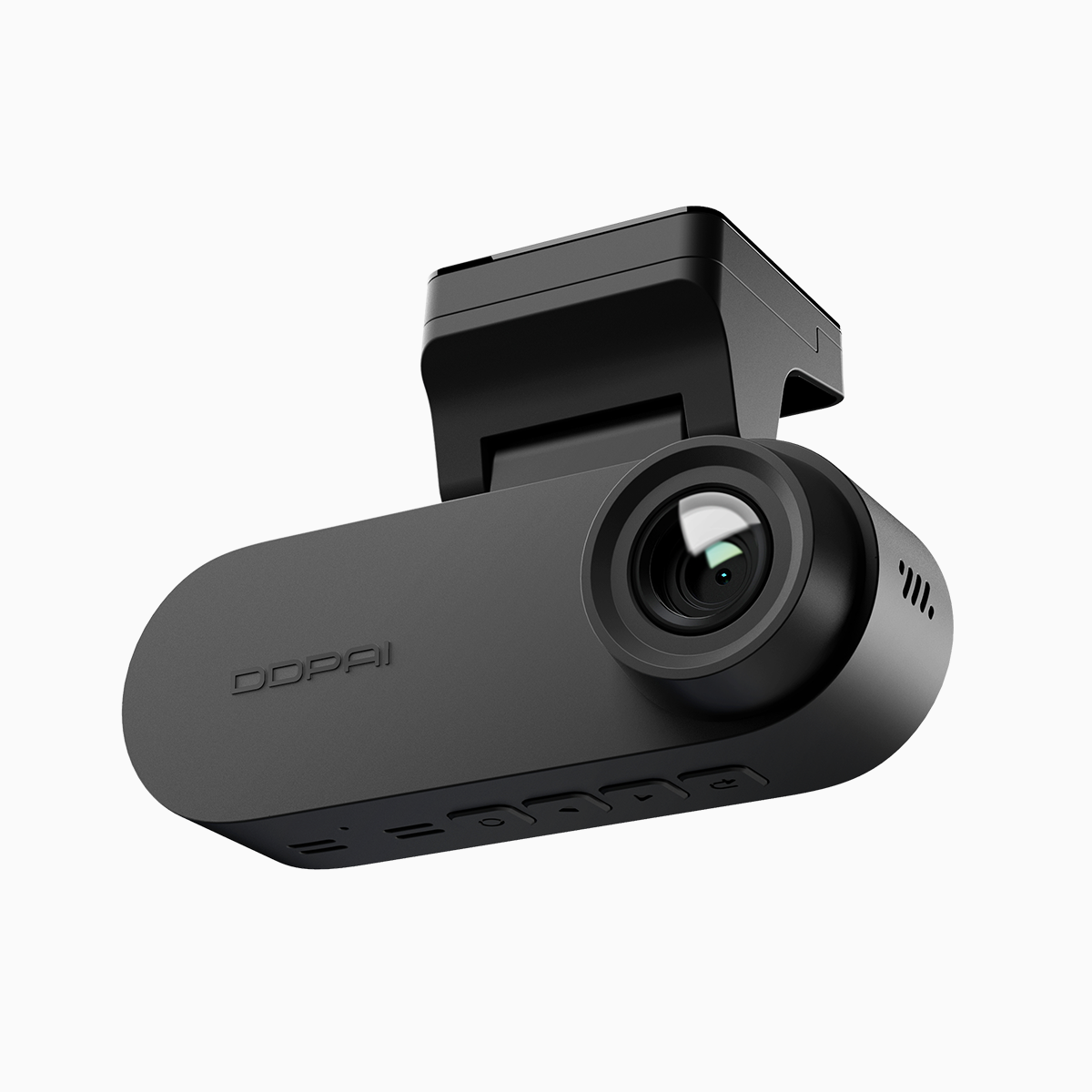
What night vision and dual-channel recording actually change
Night vision isn’t marketing fluff. Sensors, IR performance, and algorithms decide whether a plate is readable after sunset. Dual-channel recording preserves context: the forward view shows intent, the rear view captures the strike. Together they cut down on missing angles and shaky witness statements. Expect to prioritize sensor sensitivity, HDR processing, and consistent frame rate — these drive real-world clarity more than megapixel counts alone.
Key comparison criteria that matter on the road
When you stack models against each other, use these concrete criteria rather than brand buzz:
– Sensor quality and low-light performance (look beyond pixel count).
– Night mode effectiveness and HDR/WDR handling for glare from headlights.
– Frame rate and bit rate stability to avoid dropped frames in fast maneuvers.
– G-sensor accuracy and reliable parking mode to protect footage while parked.
– Ease of installation and app reliability for timely access to clips.
– Loop recording and storage options — reliable overwriting beats sporadic saves.
Common mistakes and practical alternatives
Buyers often chase specs and miss the use case. The classic errors: choosing a single-channel cam for a family car, skimping on parking mode, or ignoring real-world mount placement. A low-cost camera with poor dynamic range looks fine in a showroom but fails at night. Consider an integrated dual-channel unit instead of piecing together two cheap cameras — integration yields synchronized timestamps and easier evidence extraction. If budget is tight, a high-quality single front camera paired with a discreet rear module can be a pragmatic middle ground — but only if both support synchronized timestamps and loop recording.
How this helps legally and in daily driving
Footage that’s timestamped, uninterrupted, and readable reduces disputes and speeds insurance processing. In traffic-dense regions like Metro Manila, officers and insurers increasingly accept dash cam clips as unbiased records — provided the files are intact and verifiable. The technical details matter: stable frame rates, clear audio (where permitted), and reliable metadata are often what separate useful footage from a useless blur.
Three golden rules for choosing a dual-lens dash cam
Follow these three evaluation metrics before you commit. They’ll cut weeks of indecision down to a solid purchase.
1) Night performance benchmark: Verify real sample videos taken on the same road you drive at night. Look for legible plates and balanced HDR — not just marketing stills.
2) Synchronized dual-channel reliability: Ensure dual-channel recording preserves timestamps and supports simultaneous playback. A true dual-channel system prevents “who did what” ambiguity during impact analysis.
3) Robust parking and recovery features: Prioritize a proven G-sensor and a parking mode that records events without draining the battery. Loop recording with secure overwrite protects long trips and parked incidents.
When these three metrics are met, the device serves both prevention and post-incident clarity — a practical win for everyday drivers and for legal defensibility. For a solution that aligns with those requirements and a local support network, consider how DDPAI PH fits into the picture: they offer integrated dual-channel designs, clear night vision samples, and regional service that matters on roads you actually drive.
—