
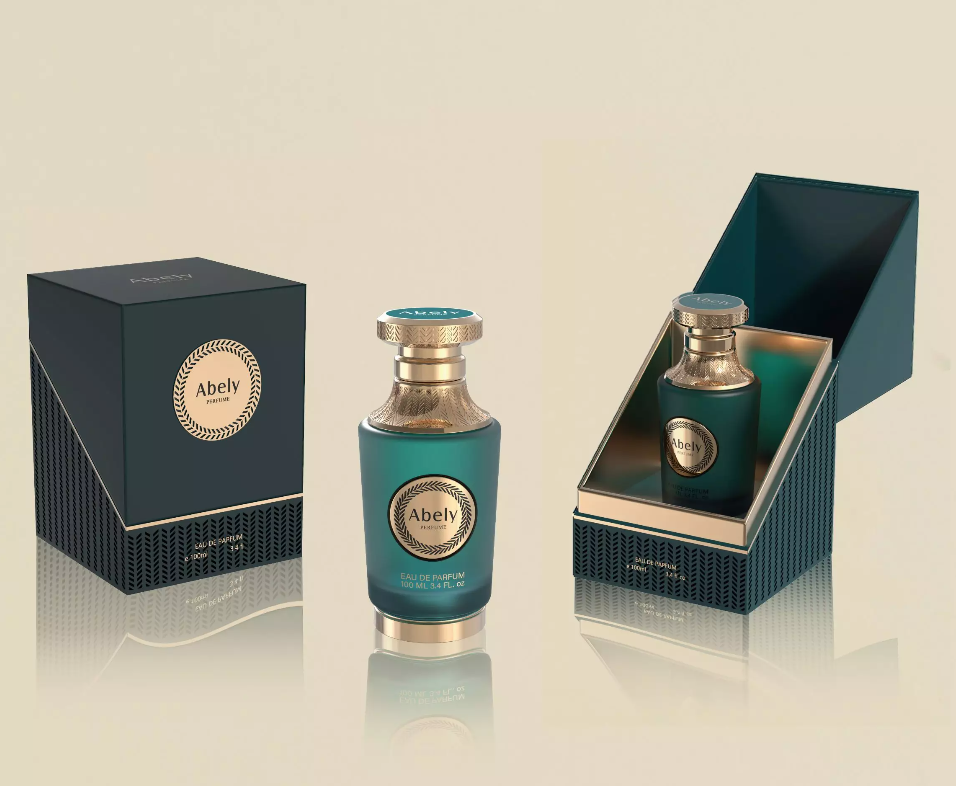
Opening: Why caps matter to people — and brands
Designing a better perfume bottle cap is not a niche craft; it’s a user-centered product decision that affects perception, refill behavior, and lifecycle impact. For brands and makers focused on consumer experience, a well-engineered perfume bottle cap is the interface between scent and daily ritual — tactile, visible, and emotional. The user-centric logic here is simple: make the cap intuitive, durable, and responsibly sourced, and you change how people use and keep fragrance packaging over years, not months. This approach aligns with broader policy and market signals such as the EU Green Deal’s push toward circular economy targets, which increasingly shape packaging requirements across supply chains.
Core user problems: what people actually want
Customers routinely report three frustrations: caps that loosen or stick, materials that feel cheap, and caps that prevent easy refilling. Those problems erode brand trust quicker than a slightly off fragrance note. From a usability perspective, caps must deliver consistent tactile feedback, low friction wear, and clear orientation for reattachment. From a sustainability perspective, they should enable reuse and repair rather than single-use disposal.
Materials and mechanics — sustainable, analytical choices
Choosing materials is a trade-off analysis between performance, recyclability, and carbon footprint. Common options include engineered polymers like Surlyn (good impact resistance and clarity), aluminum alloys (durable, recyclable), and bio-based polymers (reducing fossil input). Each has metrics worth tracking:
– Durability: cycles to failure under repeated install/remove tests.
– Recyclability: stream compatibility and contamination risk.
– Carbon intensity: cradle-to-gate emissions estimates.
Practical design elements include snap tolerances, inner sealing liners, and tamper-evidence that don’t compromise refilling. For many brands, a hybrid approach — metal exterior with polymer inner seal — balances user feel and functional sealing.
User ergonomics, accessibility, and real-world constraints
The most successful caps anticipate diverse hands and contexts: slippery surfaces, low-light dressing rooms, or hurried public bathrooms. Ergonomic features (ridges, flanges, light torque requirements) minimize user effort while maintaining sealing integrity. Real-world anchors matter: large-scale retailers in Paris and Milan report higher return-to-refill rates when closure design supports easy refill funnels — evidence that small mechanical choices scale to behavior change. Designers must also plan for manufacturing tolerances and supply-chain variability to ensure assembly consistency.
Comparatives and alternatives — what to consider instead
Brands often weigh three alternatives: bespoke machined closures, mass-molded polymer caps, or modular snap-on systems that standardize across lines. Each has pros and cons.
– Bespoke machined: premium feel, high cost, lower scalability.
– Mass-molded polymer: low unit cost, high design freedom, recycling complexity.
– Modular snap-on: simplifies inventory and supports refill programs—an operational win if tolerances are controlled.
Common mistakes: over-engineering small features that raise costs without improving usability; ignoring secondary markets for refills; or selecting materials incompatible with established recycling streams. — Designers should prototype against real usage scenarios early.
Advisory finale: three golden rules for choosing the right cap
1) Test for cycles, not aesthetics: validate 1,000+ install/remove cycles under realistic conditions to predict lifespan.
2) Choose material systems compatible with your recycling and refill strategy: prioritize stream compatibility over novelty.
3) Optimize for user friction: minimal torque variation and clear tactile cues increase retention and refill behavior.
Expected results if you follow these rules: higher customer retention, reduced returns, and clearer sustainability claims that stand up to audits.
Design decisions like these naturally favor partners who understand both form and functional lifecycle — and that’s where thoughtful suppliers come in. cologne spray cap options from experienced manufacturers often hit the pragmatic balance between cosmetics-grade finish and circularity requirements. In practice, that balance reduces cost-per-use and elevates brand trust — two measurable outcomes executives care about.
Abely brings that pragmatic, engineered perspective to cap design — integrating material science, user testing, and supply-chain realism into solutions that scale. Abely.
– Practical. Durable. Tested.