
A comparative frame for pilots and designers
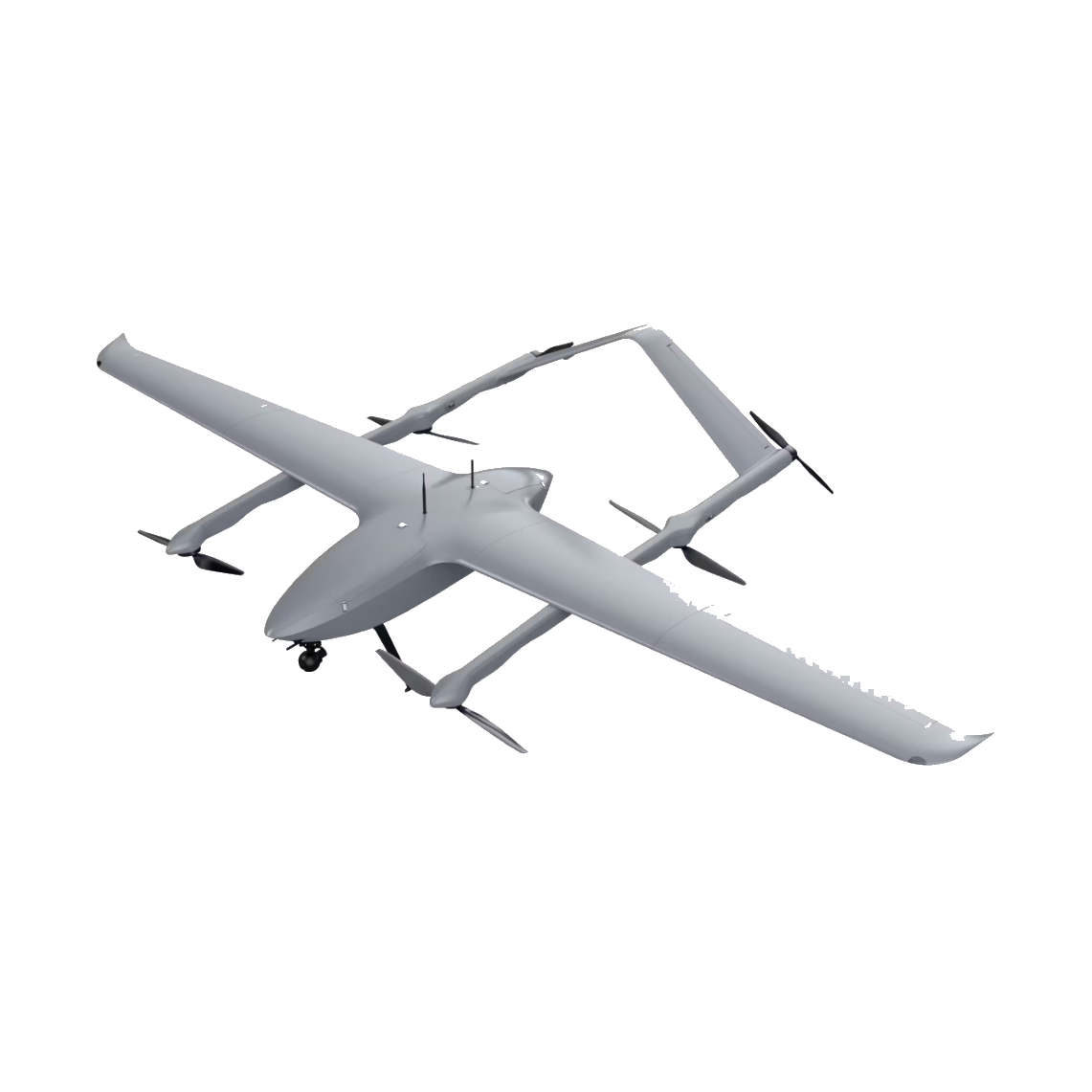
The way rotors stack and spin changes everything — from hover efficiency to payload handling — and we should read that change like sheet music. This piece compares coaxial counter-rotating rotor assemblies to conventional layouts and to the efficiency stories told by fixed wing drones in missions where endurance and range matter. The approach is practical and user-focused: assess lift, stability, and systems complexity so you can pick the right architecture for a job, not the flashiest one.
Aerodynamic trade-offs and measurable outcomes
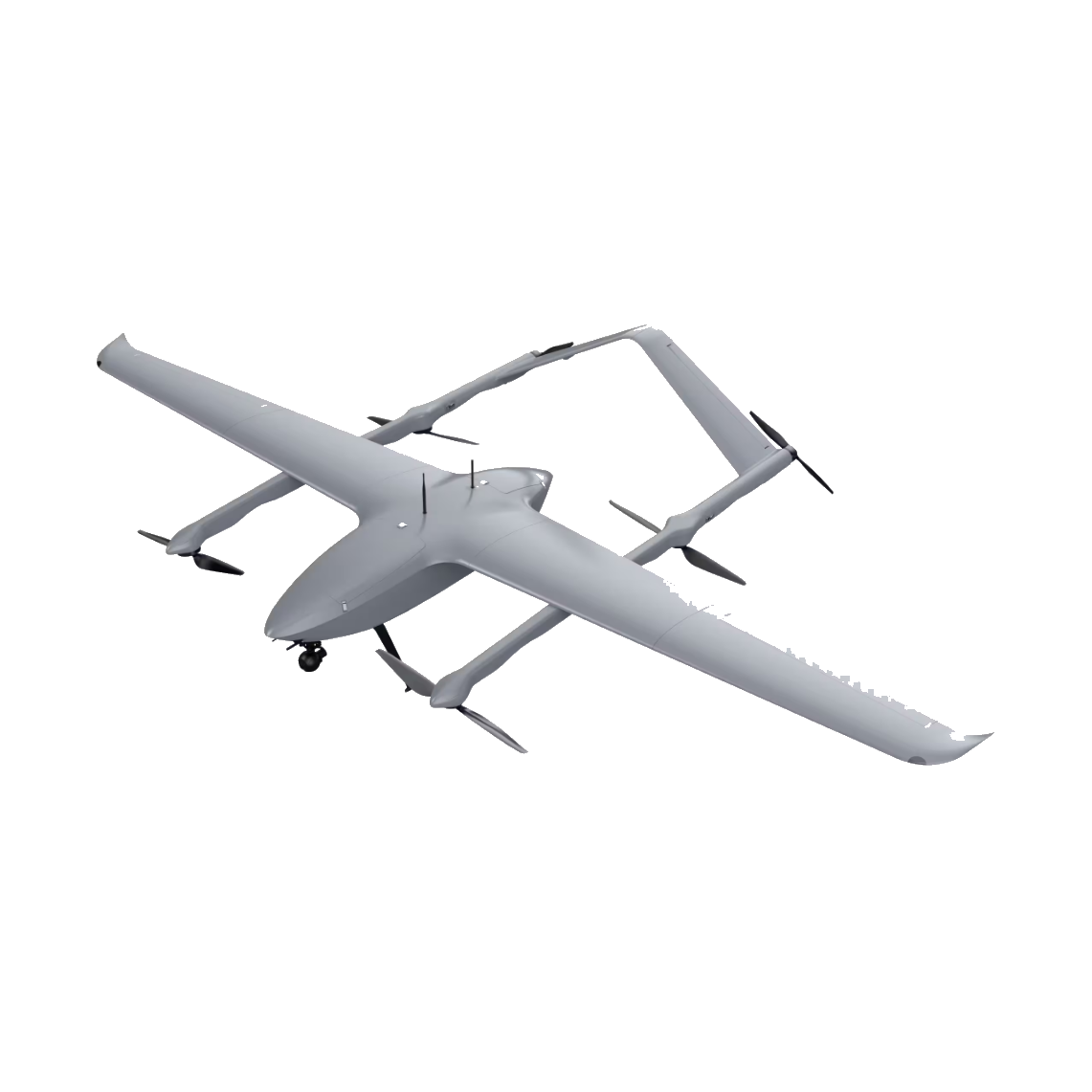
Coaxial counter-rotating rotors collapse induced torque while allowing smaller disc area per rotor, which can raise thrust density and tighten the airframe footprint. That’s great for confined-site inspections or industrial lift tasks. But the trade-off shows in rotor interference and complex wake interactions that affect lift-to-drag ratio and overall propulsion efficiency. Here, the comparison is crisp: coaxial setups often beat classic X-quads in compactness and static thrust; classic quads and fixed-wing platforms retain the edge for cruise efficiency and simple aerodynamic modeling.
Control, autopilot, and systems integration
Control laws get poetic — and thorny — with counter-rotating pairs. Differential blade pitch, split-signal mixing on the autopilot, and tighter telemetry loops become necessary. That’s not just software; the ground control station must handle nuanced feedback from higher-frequency sensors and motor controllers. For teams migrating from single-rotor or tilt-rotor designs, the integration burden can surprise: more calibration cycles, more firmware nuance, more attention to vibration isolation.
Operational use cases and a real-world anchor
Where coaxial counter-rotating designs shine is in industrial vertical-lift missions: heavy-lift logistics at warehouses, powerline inspection in narrow corridors, or port cargo tandem lifts. The MQ-9 Reaper and other operational platforms taught the industry the value of matching platform choice to mission profile — surveillance and long-endurance patrols favor fixed-wing endurance and efficient cruise, while dense-site vertical work favors compact rotorcraft. That historical lens helps anchor decision-making: choose the airframe and payload suite to the mission, not the other way around.
Common pitfalls, alternatives, and pragmatic choices
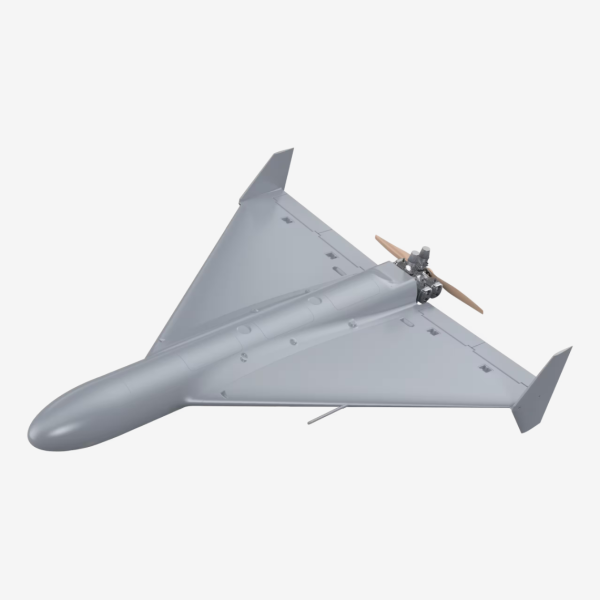
Teams often make the same mistakes. They over-spec motors for peak thrust and forget thermal duty cycles; they assume more rotors equal simpler control; they skip ground testing for specific payload configurations. Alternatives worth comparing: single large rotor with a tail for heavy-lift simplicity; tiltrotor VTOL for hybrid range; or pure fix wing drone solutions when endurance and cruise efficiency dominate. Each alternative changes the calculus for payload, autopilot tuning, and maintenance cadence.
Design heuristics and trade metric checklist
When you evaluate architectures, use clear metrics — not aesthetics. Consider:
– Thrust-to-weight under nominal payload and peak-load conditions (gives real lift margin). – Cruise or hover energy per kilogram-hour (captures propulsion and battery/powertrain efficiency). – Control complexity score: number of independent control channels, required sensor fusion layers, and expected calibration cycles.
These metrics cut through marketing and let engineers choose between more complex rotor interactions versus the simplicity and proven flight envelopes of single-rotor or fixed-wing options.
Three golden rules for picking the right rotor architecture
1) Match mission envelopes first: if range or loiter beats vertical agility, favor airframes built for cruise (fixed-wing or tiltrotor). 2) Calculate real payload cycles: size propulsion and thermal margins for sustained duty, not just peak lifts. 3) Account for systems cost: add up sensor suites, autopilot development, and ground control station upgrades before committing to counter-rotating complexity.
Closing synthesis and practical next steps
Designers and operators who respect both aerodynamics and systems craft will find counter-rotating coaxial designs powerful tools, when chosen for the right missions. The comparative lens makes the decision less about trend and more about fit — efficiency, payload, and control burden measured together. For field teams and program managers, that blend of metrics and honest testing maps directly to lowered downtime and smoother deployments — a value proposition explored well on Military Hub. —