
Introduction — A harbour morning and a quiet motor
I was at the landing stage one dawn when a small skiff slipped past with barely a whisper. The skipper smiled; he had swapped a rattling diesel for an electric motor in the last year, and the change was obvious. Across the region, more pilots and boat owners report better range and less fuss (local chatter matters). Global surveys suggest rising uptake of electric propulsion in small craft — numbers vary, but the trend is clear. So why do some conversions feel seamless while others are a string of late-night repairs and short trips? I want to explore that question with you, using clear examples and plain terms.
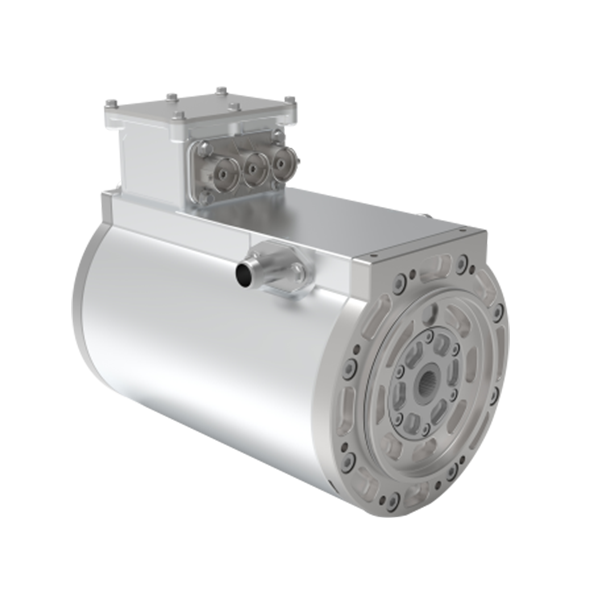
In Kenya, I see practical choices driving adoption: reliability, cost of fuel, and quieter wakes for tourism. Yet behind those drivers lie technical details — battery packs, inverters, torque curves — that decide success or failure. What follows peels back the panel on those details so you can judge for yourself. Next, I’ll look at where many current solutions miss the mark and why owners still complain despite shiny new gear.
Part 2 — Where current electric boat motors trip up (technical breakdown)
When we talk about electric boat motors, I like to start with the core hardware: rotor, stator, inverter and the battery pack. These are the parts that must work together. Too often, designers focus on peak power numbers and ignore the steady-state needs of marine use. The result? Motors that overheat or draws that kill range. I’ve seen configurations where cheap power converters and weak thermal design ruin an otherwise good system. Look, it’s simpler than you think — match the motor to the load and the battery chemistry to the duty cycle.
Second, control systems are still a weak point. Many boats use an ESC tuned for hobby craft rather than marine duty. That mismatch causes jerky acceleration, poor throttle feel and early failures. Battery management systems are another pain — inconsistent cell balancing shortens pack life. These flaws are practical and costly. Owners get frustrated. We must push for better testing standards and clearer specs so people can avoid common traps — funny how that works, right?
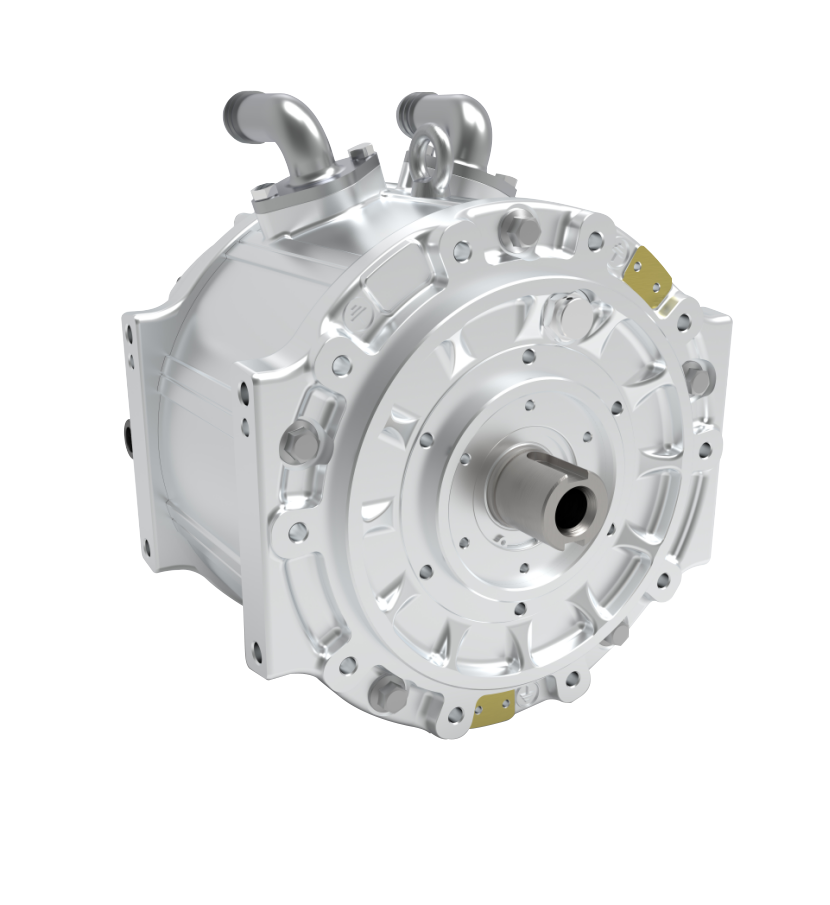
Why does this matter?
It matters because small skips and tour boats cannot afford frequent downtime. When the rotor or controller fails, you lose revenue and trust. I speak from experience; I have helped owners redesign their control layout to reduce failures. Simple fixes often make the biggest difference.
Part 3 — What’s next: principles for stronger electric propulsion
Looking forward, I believe new technology principles can fix many current faults. First, adopt holistic system design: choose a motor type, inverter, and battery as one package, not separate purchases. Second, favour robust control logic and marine-grade cooling. Third, build for predictable torque at low speed — that is what a boat needs most. When I consult, I push for designs that optimise continuous torque rather than headline peak watts. Modern solutions like an integrated inverter and advanced BMS reduce stress on components and improve range. That said, no single fix solves everything — choices must match use: fishing, sightseeing or fast transfer work.
Real-world impact and next steps
To wrap this up, I want to leave you with three practical evaluation metrics I use when choosing systems: 1) Continuous torque (measured across typical speeds) — does the motor sustain the load? 2) Thermal margin — how much headroom before overheating? and 3) Battery duty compatibility — does the pack match charging, depth-of-discharge and cycle needs? Use these criteria and you cut the risk of a poor conversion. I’m candid here: I’ve seen excellent systems fail only because one of these was ignored — it’s frustrating and costly.
In short, smarter system pairing, better control electronics and clear metrics turn hopeful projects into reliable workhorses. If you are weighing options, take time to compare real test data and ask suppliers about continuous performance and thermal testing. For practical next steps and hardware options, I often point owners toward reputable suppliers who publish real-world specs — for instance, Santroll — and then we build from there.