
Introduction — a small shop, a big problem
I remember a morning at a local job shop where the main line stopped for two hours because a tool changer jammed. CNC machining center manufacturers were blamed, and the floor went quiet (everyone sighing). Data say machines now must hit 95% uptime to stay competitive, yet many shops see far less. So what really causes this gap — poor design, weak maintenance, or wrong expectations? I want to walk you through real scenes and clear numbers, and then ask: how can we design machines and services that make operators smile again? This short note will lead into common failure points and then to practical next steps you can try today. — funny how that works, right?
Digging into the real pain: why standard fixes fall short
Why do standard fixes fail?
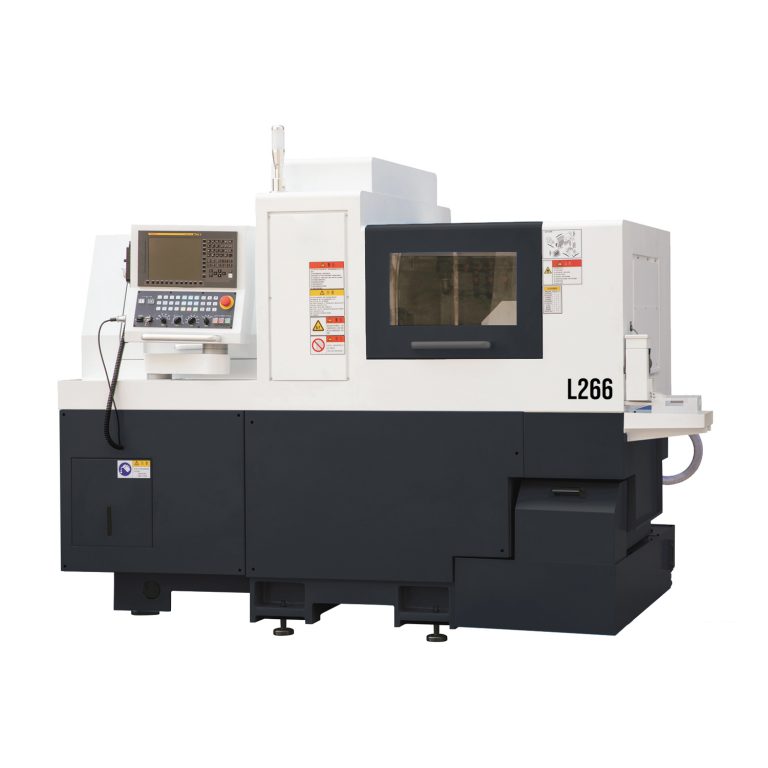
When I test a cnc turning center machine, I look first at the spindle and servo motor behavior under load. Many shops patch problems by swapping components or tweaking software, but that treats symptoms. The deeper issue is mismatched system design: a tool changer sized for batch A struggles with batch B, and cutting tolerance specs made for steel fail on aluminum runs. I’ve seen control updates that ignore power converters and cooling needs — and then the whole axis drifts. Look, it’s simpler than you think: you must match mechanical parts, control logic, and routine service plans. In practice, that means clear specs for tool changer cycles, torque profiles for the spindle, and maintenance windows for belt and coolant systems. These are not glamorous fixes, but they cut repeat downtime. Also — I wasn’t expecting that — operators often hide small faults to avoid paperwork, and those hidden pains surface as big failures later.
Most “traditional” remedies keep the same layout and hope better training solves it. That rarely works. I prefer to map each fault to a root cause: design tolerance, thermal drift, power spikes, or human error. Then we pick targeted changes — tighter cutting tolerance allowances, upgraded power converters, or simpler, operator-focused HMI screens. This two-step approach (diagnose, then redesign) saves time and money. It also builds trust between the shop floor and the OEM, which is as important as any servo tuning.
What’s next — new principles and a practical outlook
How can new thinking change results?
Looking forward, I like to frame improvements around a few clear principles: modularity, visibility, and predictable service. A smart cnc machining center manufacturer will design modules so a stuck tool changer or a worn spindle can be swapped fast with minimal retraining. They will add simple diagnostics (even basic edge computing nodes) so teams see spindle health or coolant flow before a crash. These changes lower the skill barrier for maintenance and keep shops running longer between stops. I’ve seen shops cut reactive repairs by half with better telemetry and clearer fault messages — and that gives managers real breathing room.
Semi-formal planning helps too. Start with a short pilot: update one cell with modular fixtures, track downtime and mean time to repair, then compare to a control cell. Use the data to refine spare parts lists and maintenance schedules. Three metrics I recommend for evaluation: mean time between failures (MTBF), mean time to repair (MTTR), and overall equipment effectiveness (OEE). If a supplier can’t show improvements in these numbers, walk away. Also — small wins matter: a faster tool changer or clearer error code reduces operator stress, and that improves quality. In my experience, manufacturers who listen to users and measure results build machines that actually last.
Closing advice — pick what really matters
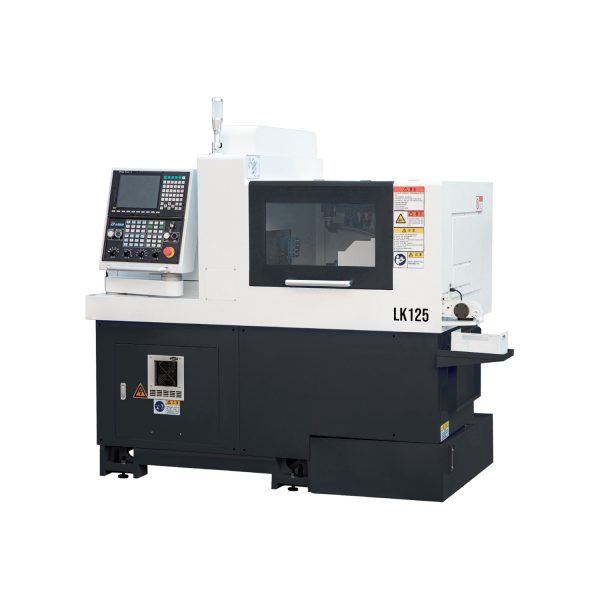
I’ve worked with shops that chased every shiny upgrade and others who fixed the basics. The latter almost always won. Here are three practical evaluation metrics I use when choosing machine updates or new suppliers: 1) MTBF — look for measurable increases after changes; 2) MTTR — aim for service-friendly modules and spare-part clarity; 3) OEE — track actual productivity, not just specs on paper. Use these to compare proposals and to hold vendors accountable. Be skeptical of promises without numbers. I also suggest a simple user check: can your operator fix the top three faults in under 30 minutes? If not, push for better design or training.
We should demand both engineering and empathy from our suppliers. When teams design with the operator in mind and back changes with clear metrics, reliability improves and stress falls. That’s my take — practical, tested, and plain. For a partner known for thoughtful design and service, check Leichman.