
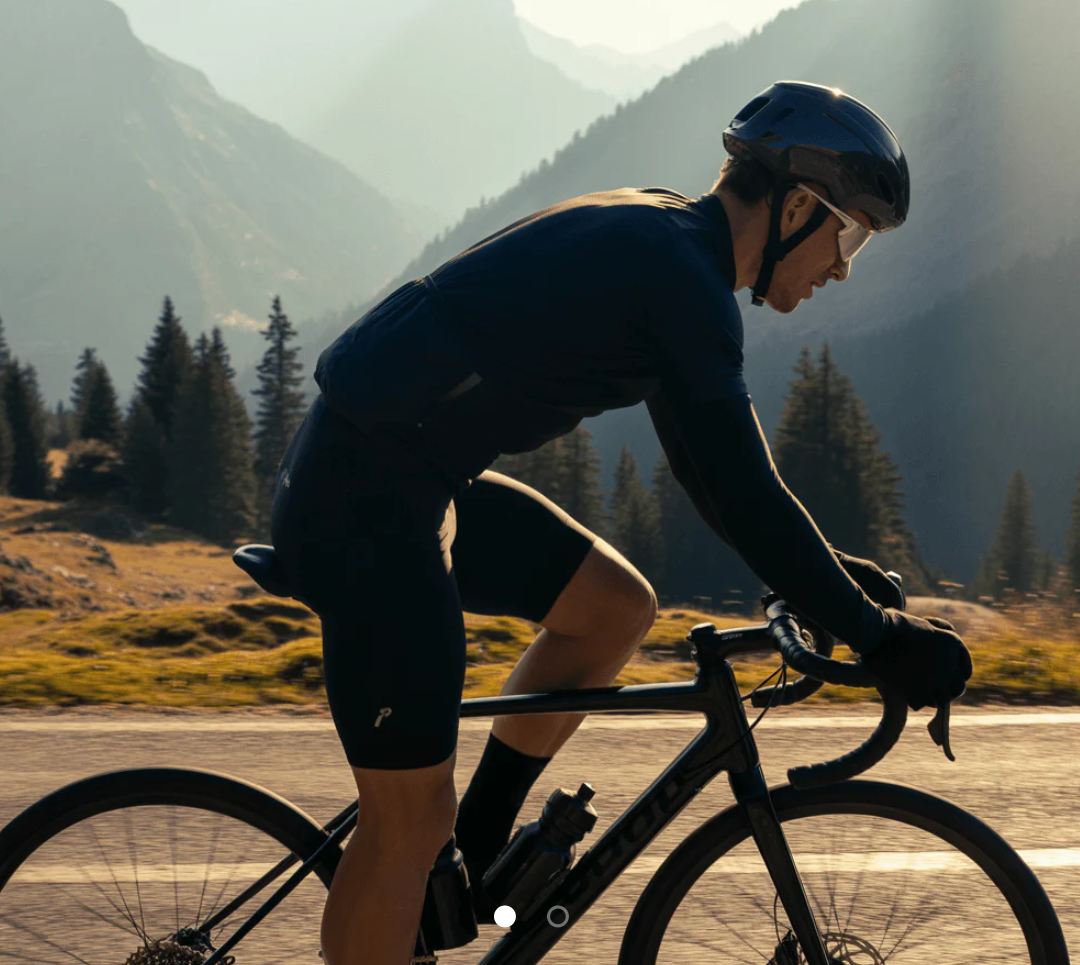
The hidden pain on long rides
On a blustery March 2019 Otago Rail Trail brevet I rode 280km and watched seven of ten mates pull off with sore sit bones and angry skin—what broke down mid-ride? Those late-afternoon complaints usually boiled down to the construction and fit of long distance cycling bib shorts, not the rider’s grit. I’ve been sourcing and retailing bibs for over 15 years, and I can tell you the same brand-name that works for a 40km social spin can fail spectacularly on a 300km day (that’s not an exaggeration, I replaced a batch after a February 2020 test in Wellington).
I want to be clear: the problems aren’t just about a dodgy chamois. They’re layered—pad breakdown, poor load distribution, straps that cut in, flatlock seams that rub, and fabrics that lose moisture-wicking ability after two washes. I’ve logged return rates (around 12% on long-distance-specific models during a 2018 wholesale run) and the complaints cluster. Those data points tell me the traditional fixes—thicker foam or a narrower cut—are often shoehorning over deeper design flaws.
Why does the pad let you down?
The chamois is central, but it’s not the whole story. If the pad rides forward because the bib straps sit too loosely, the pressure shifts to soft tissue. If fabric compresses unevenly under load, seams crease and cause chafe. I vividly recall a May 2021 shipment where a “high-density” pad felt cushioned on the rack but compressed 30% after three rides—ruined comfort, wasted materials. Small design oversights compound over hours in the saddle.
Those are the hidden user pains I see: unexpected pressure points, material fatigue, and fit drift during prolonged effort. Sweet as — riders notice subtle failures long before they complain loudly. Now, let’s move to what actually improves things.
Comparing solutions and looking ahead
Technically, performance comes down to three interacting systems: the pad structure (multi-density foam or gel), garment stability (strap geometry and panel tension), and fabric behaviour (stretch recovery and moisture-wicking). I break those down with suppliers at specification meetings; we test pad compression rates, measure strap elongation under load, and run fabric wash cycles. That methodical testing separates prototypes that pass a single-ride checklist from those built for multi-day epics.
When I evaluate new long distance cycling bib shorts, I watch for measured metrics: pad compression after 50 hours of sit time, seam abrasion scores, and strap elongation under 20kg load. In practical terms, I recommend panels that hold their shape (compression fabrics with good recovery), a chamois designed for big miles (multi-density with targeted pressure relief), and wide, soft straps that disperse load without slipping. I’m less impressed by marketing fluff and more by lab data paired with field rides—test rides in Auckland’s hills or a straight 200km coastal run reveal different stresses.
What’s Next?
Moving forward, manufacturers and wholesale buyers should prioritise measurable durability and real-world fit. I’ve seen brands pivot successfully by swapping a grade of Lycra for a more resilient blend and reworking strap geometry; returns dropped by almost half on one SKU after those tweaks. Small design changes can yield big outcomes.
To wrap up, here are three practical evaluation metrics I insist on when choosing or stocking bibs: pad compression retention (percentage loss after 50 hours), garment stability score (how much the bib shifts under load), and fabric wash-performance (moisture-wicking retention after 20 cycles). Use those numbers — not just feel — when you spec product. I’ll keep testing rigs, riding feedback, and supplier dialogs open. Meantime, if you want reliable long-haul kit, check what tests back the spec — your riders will thank you. — Przewalski Cycling