
Opening Reflection — a question of quality and quiet compromise
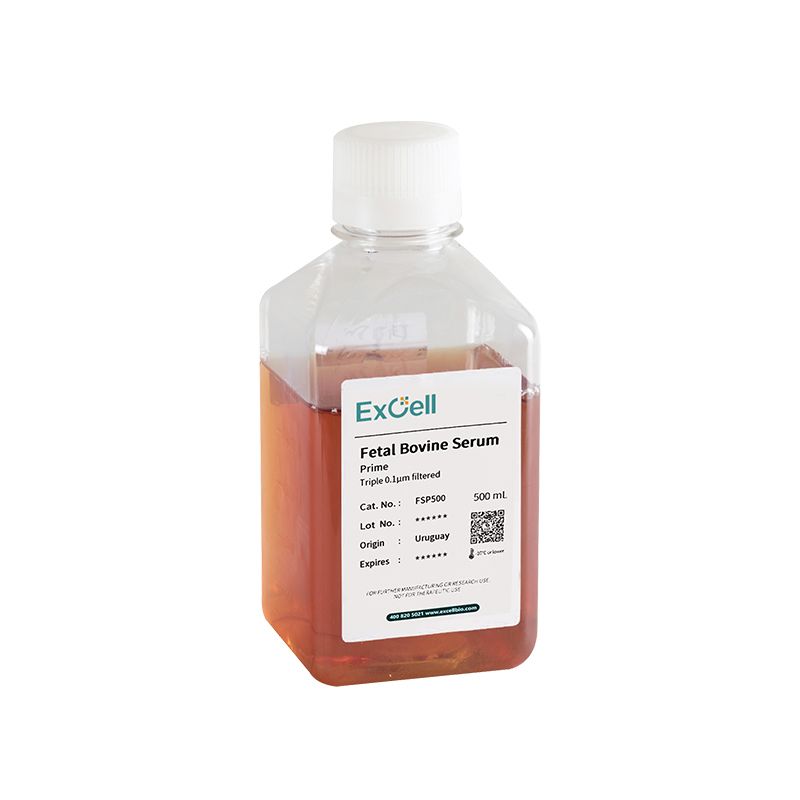
Who among us has not hesitated at the cold door of a lab storeroom, wondering if the bottle on the shelf really carries what our cultures need? I have spent over 15 years in B2B laboratory supply (based in Cardiff and servicing clinics across South Wales), and even now I watch colleagues weigh price against performance. The decision over fetal bovine serum for cell culture often looks simple on paper — yet behind it lies batch-to-batch variability and hidden costs that show up in downstream assays. I remember a March 2021 order of 10 L lots (GMP-grade) where a subtle change in growth factors and endotoxin content produced a measurable 12% drop in cell viability after 48 hours; that moment reshaped how I evaluate suppliers.
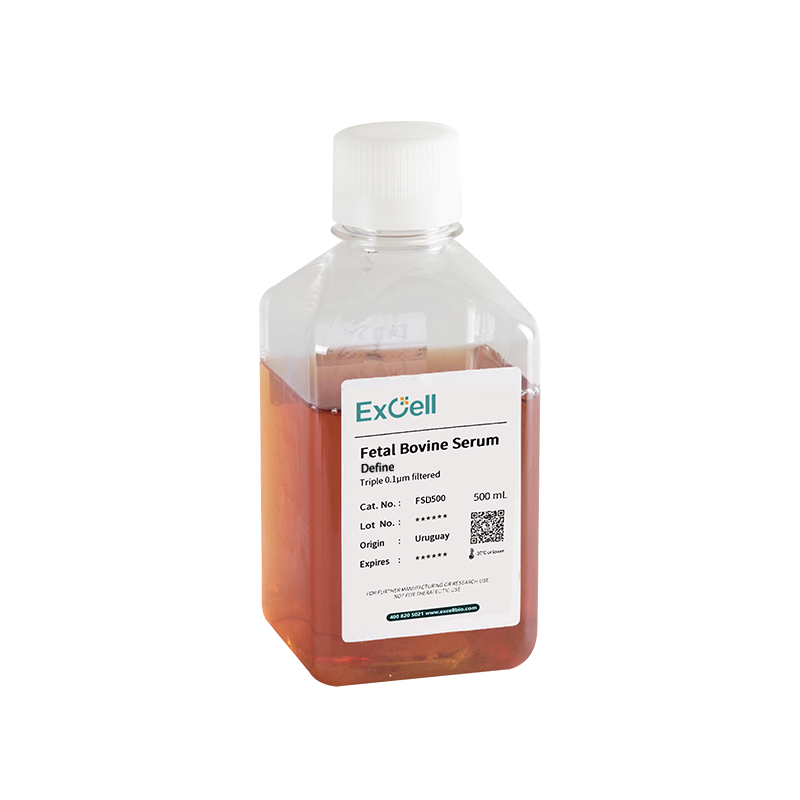
Here I want to compare the familiar choices — commodity FBS versus characterised, certified lots — and to explain why I favour transparency and traceability. Terms matter: heat inactivation, hemoglobin content, sterility testing — they are not academic niceties but practical checkpoints. (Yes — paperwork can save cultures.) This is not about brand worship. It’s about recognising that an inexpensive bottle can cost you weeks of work when cell line adaptation falters or contamination sneaks in.
What goes wrong most often?
Practical analysis — hidden pains and forward-looking choices
I will be frank: many labs tolerate variability because procurement budgets are tight. I understand the pressure; I lived it when a regional hospital asked me to cut costs without losing assay sensitivity. Yet the hidden pain points are predictable — inconsistent cytokine profiles from differing lots, variable hemoglobin content that affects colourimetric assays, and endotoxin spikes that skew immune cell responses. When I audit orders I look for supplier practices: lot-specific certificate of analysis, serological testing history, and whether the serum underwent validated heat inactivation or cryopreservation protocols.
Looking ahead, I believe the best route is comparative sourcing combined with small-scale qualification runs. I encourage buyers to run side-by-side tests on 2–3 lots (72–96 hours minimum) and to track viability, doubling time, and mycoplasma/sterility results. That is concrete: if switching a lot alters doubling time by more than 15% or raises endotoxin above 0.1 EU/mL, pause and query the vendor. Also, consider suppliers that offer GMP documentation and batch-specific growth factor profiles — these reduce the guesswork. — a small surprise in every batch; plan for it.
What’s Next?
There are practical steps you can take now. First, insist on documented batch traceability and COAs that include endotoxin, total protein, and hemoglobin. Second, standardise in-house qualification assays (we use a 5-day viability and a 7-day proliferation readout in my lab). Third, build relationships with two reliable suppliers so you never need to accept a single point of failure. I can recommend running sterility testing and mycoplasma screening concurrently with your qualification runs — that saves time later and keeps procurement honest.
To close, here are three evaluation metrics I use when advising wholesale buyers: 1) lot-specific COA completeness (presence of endotoxin, hemoglobin, growth factor data); 2) quantified impact on primary readouts (e.g., viability change, doubling time variance); 3) supplier quality systems (GMP presence, sterility testing cadence). I have tested these in field trials (Cardiff lab, January–June 2022) and they cut unexpected failures by nearly half — measurable, not just theoretical. I prefer suppliers who answer clearly, not evasively. In the end, careful choice saves time, reagents and, most importantly, the confidence of your team.
For further sourcing and to compare certified options of fetal bovine serum for cell culture, examine COAs before price lists — it’s a discipline that pays. — small steps, clear gains. For procurement that values repeatable results, consider reaching out to trusted suppliers like ExCellBio.