
Introduction — a quick scene, a handful of figures, and a question
I was in a small Edinburgh workshop the other day, watching a maker finish a run of prototypes and noticing the haze that hung in the air. The issue becomes clearer when a 3D printer fume extractor is present but underused: the machine hums, yet smells and particles linger. Studies suggest that many hobby and small-scale studios expose operators to volatile organic compounds (VOCs) and ultrafine particles well above recommended short-term levels—some readings show spikes of up to five times background concentrations. So, if the extractor is there and you still get a sore throat or a headache, what exactly is going wrong? (Aye, it’s not always obvious.)
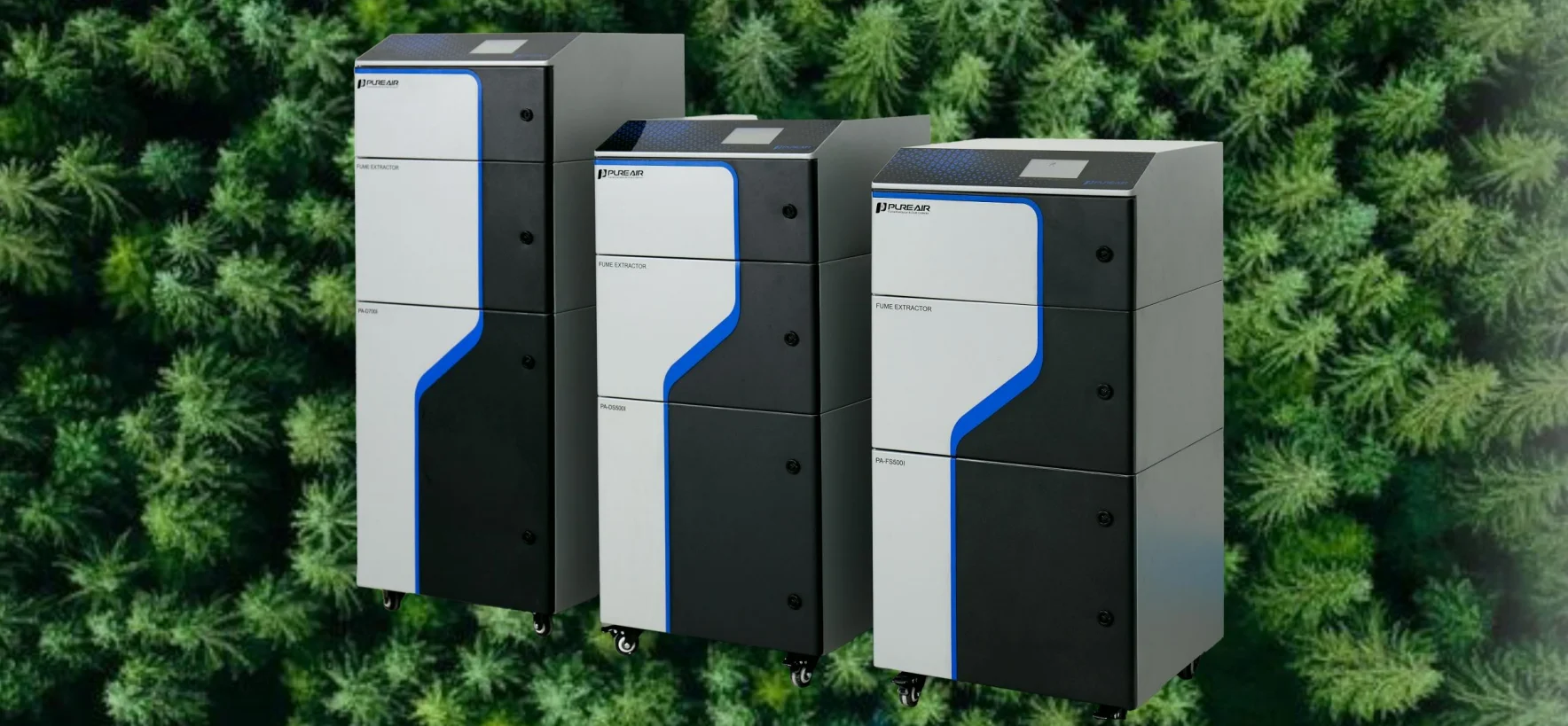
Let me walk you through what I’ve seen and measured, then we’ll look at where traditional fixes trip up and what smarter choices look like next.
Why traditional fume-control solutions often fall short
Right away I’ll link to the central idea here: 3D printing fume extraction is commonly sold as a simple add-on—plug in, switch on, job done. But in practice, that tidy story rarely holds. Many setups use undersized fans, generic HEPA filters that ignore VOCs, or cabinets with poor airflow design. The result: uneven capture, bypass leakage, and a false sense of safety. I’ve seen systems where the airflow rate is touted on paper but the install restricts it — the ducting kinks, intake points are too far from the nozzle, or the enclosure leaks. Those are basic mechanical failings that still crop up, even in paid installations.
What are the weak points?
Let me be blunt: filtration efficiency on a spec sheet does not guarantee real-world protection. Filter media like HEPA handle particulates well but do nothing for odour or VOC loads unless paired with activated carbon or specific adsorption blends. Then there’s maintenance—filters load and performance drops (look, it’s simpler than you think). Add in absent VOC sensors or poorly calibrated airflow meters and you’ve got a system that lies to you. I often recommend real sampling—portable particle counters and VOC meters—rather than trusting passive indicators.
Looking ahead: new principles for cleaner prints and safer shops
We should shift from “stick-on” systems to design-led extraction. New principles insist on right-sized fans, matched filter trains (HEPA + activated carbon), and real-time sensing—VOC sensors, differential pressure gauges, and simple airflow rate readouts that actually tell you when to change a cartridge. In practice that means designing the capture point so that emissions are entrained immediately (close capture hood, laminar intake path), and using a filter sequence that matches the emission profile of the filament and process. For example, ABS prints release styrene; you need adsorption media suited to that chemistry, not just particulate trapping.
There are also smarter controls emerging—timed purge cycles, demand-based boost when a sensor spikes, and compact power converters that allow quieter variable-speed fans. Edge devices can log exposures and alert operators. These features reduce wasted runtime and extend filter life—saving money and improving safety. — funny how that works, right?
What’s next for workshops and makers?
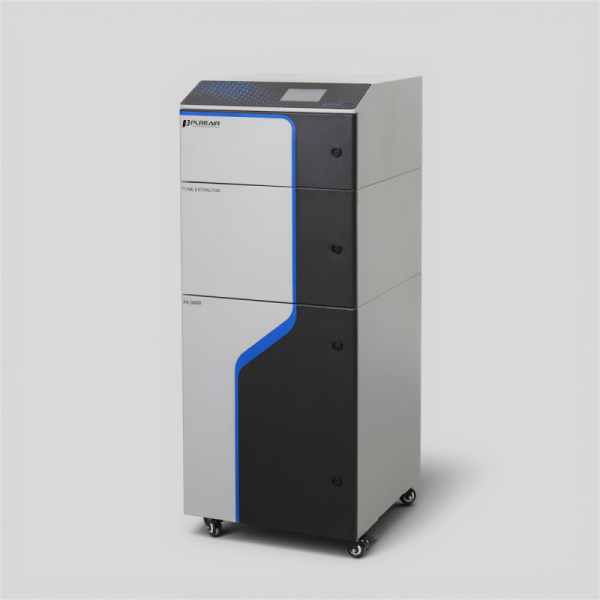
Looking forward, I expect more integrated packages built for small labs: compact housings, clear maintenance indicators, and simple dashboards. We’ll see better matching of filter media to filament chemistry and more accessible monitoring tools so even hobbyists can make informed choices. That change depends on a simple shift: treat extraction as part of the print process, not an afterthought. — and yes, that matters. We must demand systems that report real performance, not just sell on claimed MPG or CAD-friendly form factors.
Closing advice — three practical metrics I use when evaluating systems
I’ll finish with three hard metrics that, in my view, separate useful solutions from marketing fluff. Use these when you compare units or designs: 1) Capture Efficiency at the nozzle (measured percent at a specified distance). If you can’t find this, ask for test data. 2) Combined Filtration Capacity (HEPA rating plus VOC adsorption mass; if only HEPA is listed, it won’t protect against gaseous emissions). 3) Real-time Monitoring Availability (VOC sensors, differential pressure readouts, or at least an airflow meter). If a supplier can’t tell you how to monitor performance, that’s a red flag.
I speak from hands-on work and many hours in shops. I want you to be safe and for your prints to be as tidy as your CAD. For practical systems and more technical detail, check providers who publish test data and maintenance guides—like the kit from PURE-AIR. I’m happy to walk you through a lab setup or a quick checklist if you want; I’ll share what I’ve learned so you don’t repeat the usual mistakes.