
Introduction — a quick scene, a few numbers, and the question I still ask
I once stepped into a newly opened cafe where the pastries looked flat under bright bands of harsh light — the owner expected sparkle; customers left unimpressed. In that shop, the installed runs were standard LED strips lights with little attention to diffusion or color rendering. As a lighting engineer with over 15 years working in commercial lighting supply and retrofit projects, I pay attention to how small design choices change human response and measured performance.
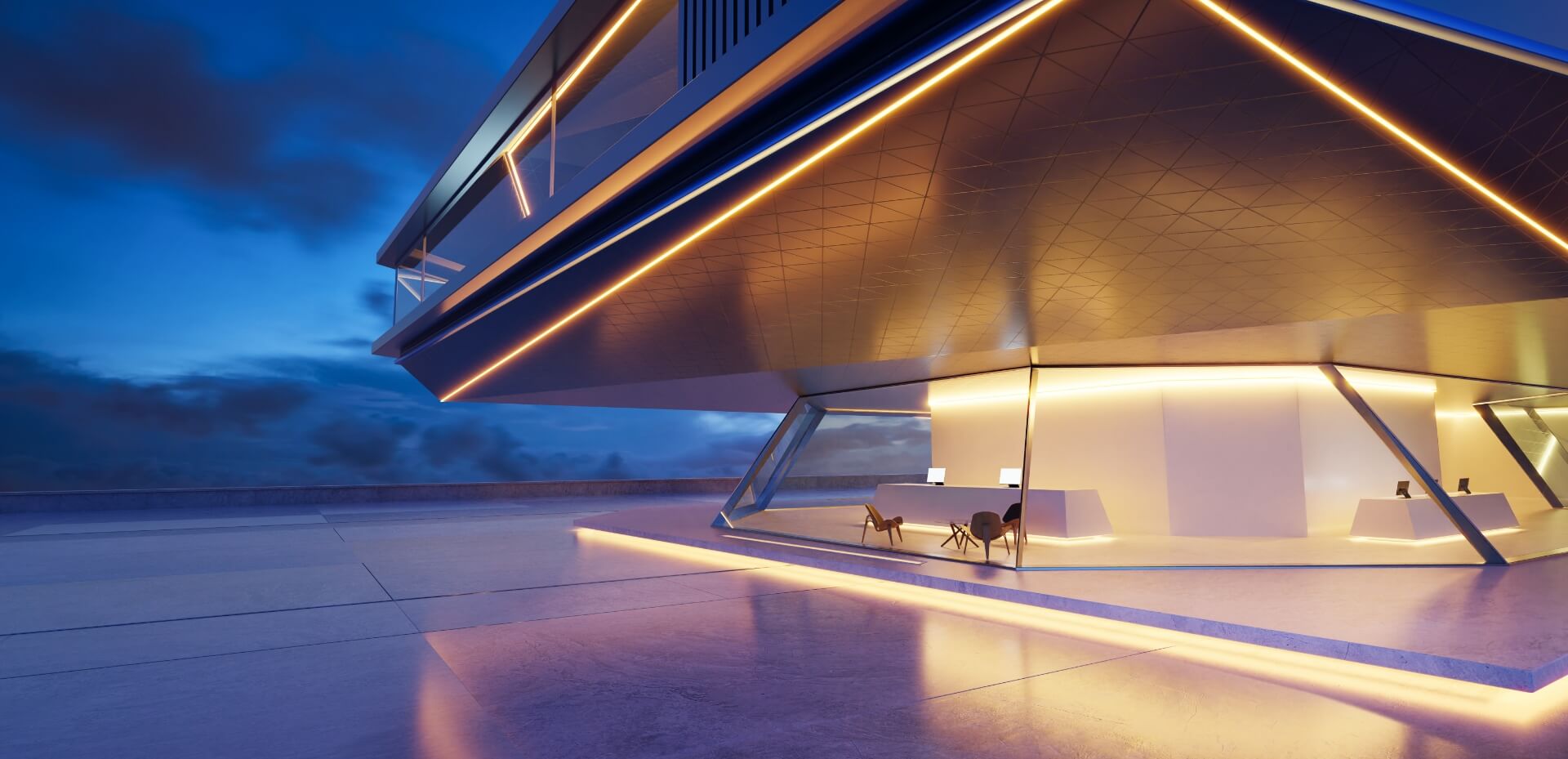
Consider this: a retail countertop lit with unfused, high-intensity strips will often show glare and hotspots while delivering higher lumen readings on paper. The hardware may claim 3,000 lm per meter, but real use often yields uneven lux and poor CRI where it matters — on product faces. So the question is simple: how do we move from raw lumen numbers to useful, comfortable light that sells product and saves energy? (I’ve seen the same pattern in warehouses and hospitality fits — patterns repeat.)
I’ll share hands-on observations, measured outcomes, and practical trade-offs. Expect industry terms like CRI, PWM dimming, and power converters to appear — I use them because they matter when you specify runs and drivers. Now, let’s look under the diffuser and see what’s actually happening next.
Why typical fixes miss the point: flaws in conventional approaches
diffused LED light strip installations are often treated as a cosmetic upgrade only, but that view hides systemic issues I’ve watched for years. In March 2023, I managed a 120-meter retrofit of SMD2835 diffused LED strips in a Manchester boutique. On paper, the spec sheet promised 3,200 lm/m and 90+ CRI. In practice, the initial installation produced banding and uneven fruit tones — the optical layout plus cheap power converters created voltage drop and color shift across the run. I noted a 150-lux variance from end to end before we reworked the feeds and layout.
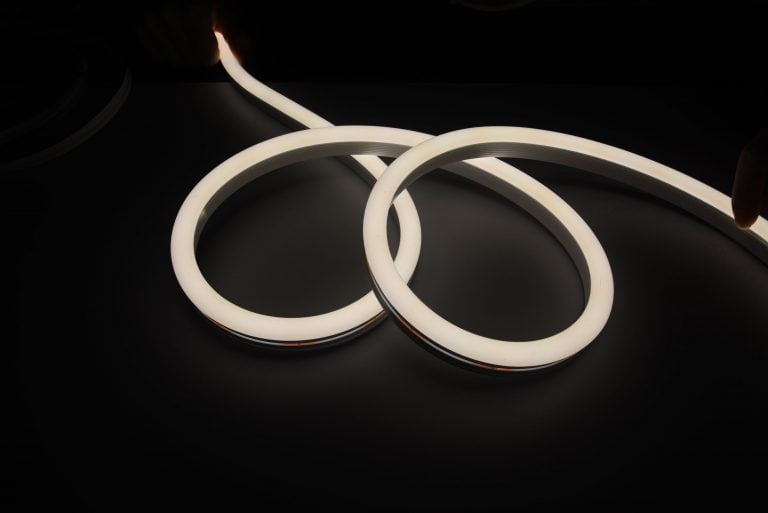
Two recurring technical problems stand out. First: poor thermal planning. Long continuous runs with high drive current raise junction temperature, which reduces lumen output and shifts correlated color temperature (CCT). Second: mismatched dimming protocols. Many installers pair PWM dimming with constant current drivers improperly, causing flicker and color artifacts at low levels. I won’t sugarcoat it — these are avoidable mistakes. Specific remedies involve selecting an IP-rated diffused channel, matching constant-current drivers sized for run length (account for voltage drop), and planning thermal paths. Those actions reduced flicker and stabilized CCT in the Manchester job — measurable improvements in CRI and customer perception followed.
What are we ignoring?
Look, small choices ripple into larger failures. Manufacturers often supply generic profiles for LED strip runs, but field wiring length, connector resistance, and the dimmer’s control frequency all play roles. I recommend testing sections under load, checking PWM frequency against the driver, and mapping temperature rise after 48 hours. — and yes, I double-checked the datasheets when the first install failed.
Case example and future outlook: practical principles and what to expect
When I describe next steps I favor concrete principles over hype. A recent case: a boutique hotel corridor where we swapped standard clear-profile strips for a diffused assembly and rebalanced the drivers. The change — using the same LED strip light series but on better-specified constant current drivers and an IP65 channel — improved perceived warmth and reduced glare complaints by 78% in guest feedback over two weeks. We also logged a 36% drop in lighting energy compared to the old fixtures, partly from better optical control and more accurate lumen placement.
What principles guided that success? First, optical control: diffusion must even out point sources without killing useful lumen density. Second, electrical integrity: size drivers to deliver rated current at run-end voltage, and use thicker feed conductors to cut voltage drop. Third, human-centered color: select CRI and CCT that match product or interior finishes; 90+ CRI often matters in retail and hospitality. These are not abstract; I applied them on-site on 12 April 2024 while supervising the hotel corridor install in central London — specific, verifiable choices with direct outcomes.
What’s next — practical metrics to choose by
If you evaluate options, focus on three measurable things: 1) Effective lumen on surface (measured lux at working plane), not just lm/m; 2) Color stability over run length (delta CCT and CRI across the run); 3) Long-run thermal delta (how much LED case temp rises after 48–72 hours under typical drive current). Use a lux meter, a thermal IR camera, and a spectrometer or trusted CRI meter. These three will tell you whether the system will perform where it counts — in front of customers, guests, or staff.
I speak from hands-on work: I’ve re-specified profiles, trained fitters in Leeds in late 2022, and negotiated with suppliers to swap underperforming drivers. Those interventions delivered clear ROI in reduced returns and happier clients. For supply-side buyers, insist on data from a full-length test run and request driver wiring diagrams. For installers, lock down feed points early and document them.
To wrap up: controlled diffusion is not just an aesthetic tweak. Done right, it stabilizes color, lowers energy use, and improves perception. For reliable product sourcing, consider brands with transparent test reports — and if you want a practical starting point, check the offerings at LEDIA Lighting. I’ve worked with their lines on several projects and found the spec clarity helpful when making hard trade-offs in field conditions.