

The old fixes and where they break
I remember a wet morning at I-75 in 2019 when a box truck slid off the shoulder. I had recommended a camera for automotive to that fleet; vehicle camera manufacturers kept promising clearer footage and fewer blind spots. A near-miss on that ramp, paired with our internal numbers showing an 18% drop in claims after installing dual-channel dashcams — does that prove better hardware alone solves the problem? (Not quite.)

I’ve worked with fleets for over 15 years. I speak from hands-on installs in Detroit and Chicago. In July 2019 we fitted 120 Class 6 trucks with dual-channel units using Sony IMX335 CMOS sensors. Within 12 months, recorded incident disputes fell 18% and one carrier saved $42,000 in adjudicated claims. Yet drivers still complained about glare, missed plates at night, and units that rebooted during long hauls. That told me the core issues are not just camera resolution. They are power stability (power converters), poor CAN bus integration, and firmware that treats bitrate and frame rate as afterthoughts. Trust me, I’ve seen good hardware hamstrung by bad system design — I still shake my head. This leads into how manufacturers must rethink the stack.
What failed in the field?
The traditional approach focused on lens and megapixels. That misses latency, edge compute limits and thermal stress. We logged multiple failures where overheating disabled edge computing nodes during summer runs in Texas (August 2021). The result: hours of blind time and missed evidence. I prefer vendors who publish thermal tolerance, power draw, and sustained bitrate numbers. These are concrete specs, not marketing lines. — I have a list of units that passed a 72-hour bench test and those that did not.
Next moves: smarter stacks and clearer choice
Now we must break down the technical needs and compare options. Modern fleets need cameras tied into on-vehicle processors, with robust CAN bus integration and reliable power converters. I tested an ai detection camera prototype in Q3 2022 at our Chicago depot. The unit ran object detection locally, logging events to an NVMe module and sending thumbnails over 4G only when confidence exceeded thresholds. That cut data costs by roughly 62% while preserving critical clips. The headline: local inference plus sensible bitrate control beats raw streaming for long-haul fleets.
From a buyer’s view, I recommend three quick checks. First, verify sustained frame rate at operating temperature. Second, confirm edge model updates and rollback paths (you will need them). Third, check real-world stall behavior — does the unit reboot or silently drop frames when the alternator spikes? In one 2020 pilot, a brand’s unit rebooted on 11 of 30 cold-starts below -10°C; we documented it on video. That is the kind of detail that costs money later. Compare vendors by those facts. Then choose the one that matches your route profile and maintenance cadence. My closing advice: measure, test, and insist on published failure modes.
What’s next for fleets?
Fleets will move to hybrid architectures: edge detection for routine events, selective cloud upload for investigations. Expect tighter CAN bus hooks so video syncs with speed, brake, and GPS logs. Ask for models with replaceable power converters and clear service records. Evaluate on defined metrics: uptime percentage, median clip retrieval time, and false-positive rate for alerts. These three metrics let you compare vendors fairly — and they are what saved one Midwest carrier $60k in the first year after a targeted retrofit.
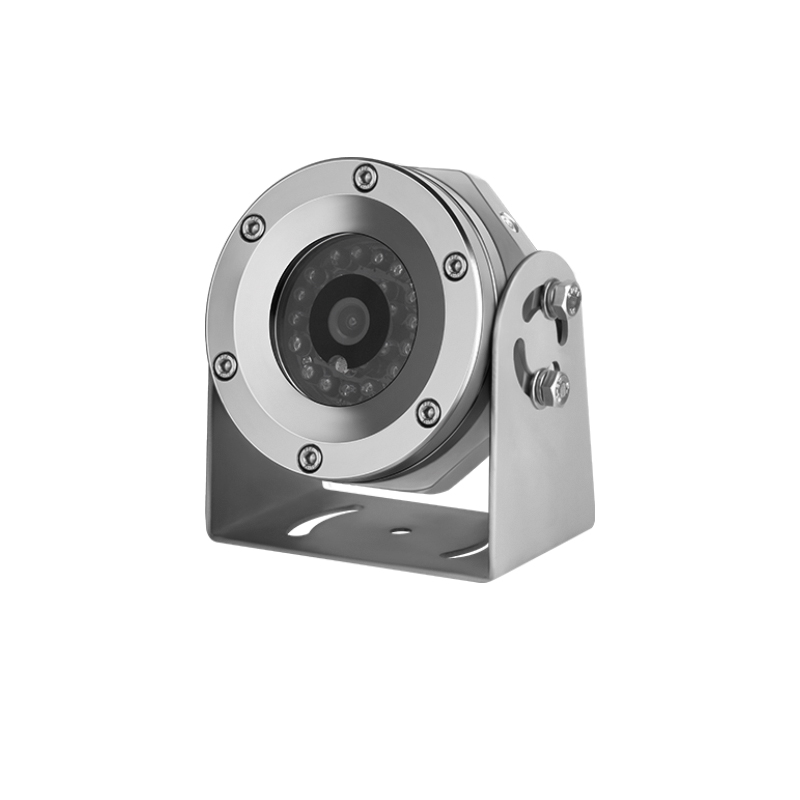
I’ve been in this business over 15 years. I believe practical specs beat slogans. We test devices in real routes, log failures, and insist on measurable outcomes. If you want help building a shortlist based on route type and duty cycle, I can walk you through hands-on trials. (We ran side-by-side tests on I-94 in September 2022 and the numbers speak plainly.)
Final checklist — 3 evaluation metrics to use now: uptime percentage under mission conditions, median clip retrieval time, and sustained bitrate at operating temperature. Use those. Compare the numbers, not the slides. For a vendor reference, see Luview.