
Introduction — a quiet morning, a small tool, and a problem
I remember watching a foreman on a rainy site, tapping a tool with the kind of patience you see only in people who know their trade; the rhythm was almost like a poem. In that same way, the non sparking chisel sits quietly in safety kits and toolboxes, trusted for one clear purpose: avoid ignition (small gestures, big consequences). Data tells us that workplace ignition incidents drop notably when tools are matched to hazardous zones — so why do some teams still treat tool choice as an afterthought? I ask that because I see the same mistakes repeated: wrong alloy, wrong handling, and preventable wear. Let’s walk on — step by step — into what really matters next.
Peeling back the surface: where traditional solutions fail (technical view)
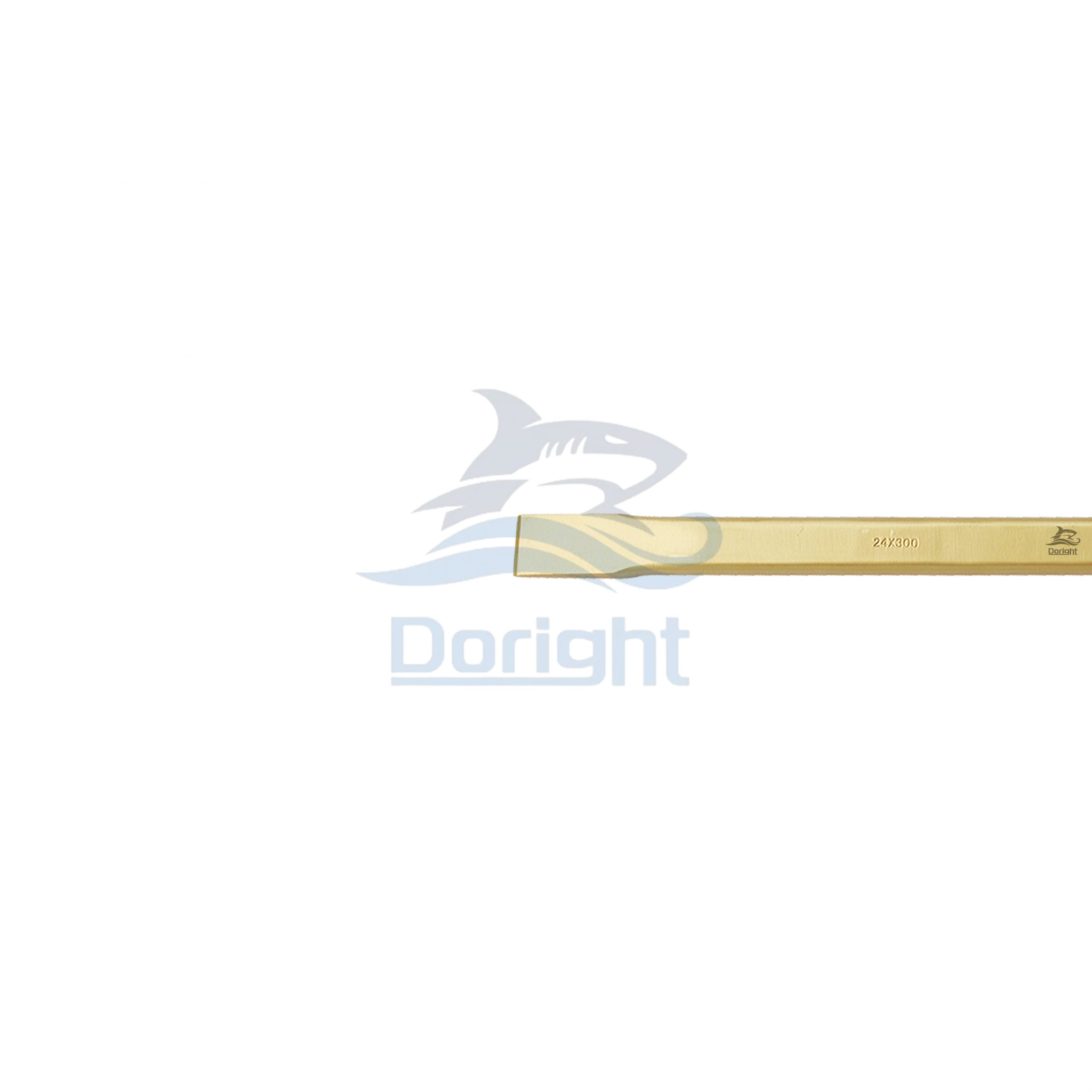
When I examine a tool, I look for the story told by its edge and its metal. That’s why I start with the copper flat chisel non-sparking as our focal point: its alloy composition, hardness rating, and corrosion resistance matter more than its label. Traditional non-sparking tools often rely on bronze mixes that trade off strength for safety; that trade-off can hide two hard truths — reduced impact energy tolerance and faster edge dulling. In practical terms, a chisel that deforms under repeated strikes changes the energy transfer on the next hit, raising the chance of chipping or unintended contact. I’ve seen crews rework a job four times because the tool lost its edge. Look, it’s simpler than you think: material science—conductivity and microstructure—controls both safety and performance.
I’m direct about flaws because they’re fixable. The classic complaints I hear are: uneven wear, poor hardness retention, and false confidence from generic non-sparking labels. These faults tie back to three technical points: alloy composition (the exact mix of copper, beryllium alternatives, and additives), impact energy handling (how the tool absorbs and disperses force), and surface finish (affecting friction and spark suppression). If you ignore these, you get a nice-looking tool that fails where it counts — in repeated, real-world strikes. I’ll add: maintenance practices matter too — sharpening technique and storage affect conductivity and corrosion behavior. (Also — funny how that works, right?)
What breaks first?
The edge usually does. The microstructure beneath the surface decides whether a chisel flakes or holds firm; understanding that is half the fix.
Looking forward: new principles and practical choices
Now, shifting gears, I want to explain the new technology principles-makers are using to close the gap between safety and strength. Modern designs focus on controlled alloying and thermomechanical processing to tune hardness without sacrificing intrinsic safety. In practice, this means using alloys engineered for consistent conductivity and refined grain structures that resist crack initiation. When I talk with engineers at a non sparking chisel company — yes, real folks are iterating on this — they mention tighter tolerances in heat treatment and surface profiling to improve spark suppression while keeping impact resistance. These changes aren’t flashy; they’re deliberate. They solve the old problem of “safe but soft” by giving you “safe and durable.”
On the shop floor, that translates to fewer tool swaps, less downtime, and a steadier rhythm of work. We’re also seeing improvements in finish treatments that resist corrosion and reduce friction, which lowers required striking force and thus wear — a small chain of effects with big payoff. I want to stress practical things you can check when choosing tools: ask about hardness rating, request test data for impact energy, and see what surface treatments are used. — honest, those three questions save hours later.
What’s Next?
Expect incremental but meaningful gains: better alloy recipes, clearer test standards, and broader adoption of measurable performance specs.
Three metrics to judge a non-sparking chisel and closing thoughts
To help you pick with confidence, here are three evaluation metrics I always use and recommend: 1) Hardness rating with test method (so you know edge retention), 2) Impact energy or toughness data (so it won’t shatter or deform under job conditions), and 3) Alloy composition disclosure plus corrosion resistance specs (so you’re not guessing what “bronze” actually means). Use those, and you’ll cut down surprises on site. I’ll add a human note: I’ve stood in both quiet and noisy workshops, and the quiet ones are staffed by people who asked these simple questions up front — and that made all the difference.
In summary, simple tools win when design choices are sensible and transparent. I believe in tools that show their work: clear specs, honest performance, and practical upkeep. If you want to explore options or see a real example of this thinking in production, check out how a focused maker approaches the design at a non sparking chisel company. My closing thought: measure what matters, ask the right questions, and keep the conversation between workers and makers alive — Doright understands that. Doright