

A Direct Opening: The Prismatic Case
Here’s the move: stop treating cell format like a footnote and start treating it like strategy. In the next build, prismatic cells don’t just fit the box—they redraw it. Picture a cold Boston morning, a line captain staring at a dashboard that says 80% yield and climbing scrap. You’ve got cost pressure, a launch window, and a stack of returns from field packs. So you look at prismatic battery manufacturing because the pack team needs cleaner layouts and fewer modules. Data is blunt: fewer cans mean fewer joints, less wiring, and tighter control over thermal paths—wicked good for service and safety. But the hidden fees show up on the line: changeovers drag, wetting times slip, and the curve in formation doesn’t match the model—funny how that works, right?
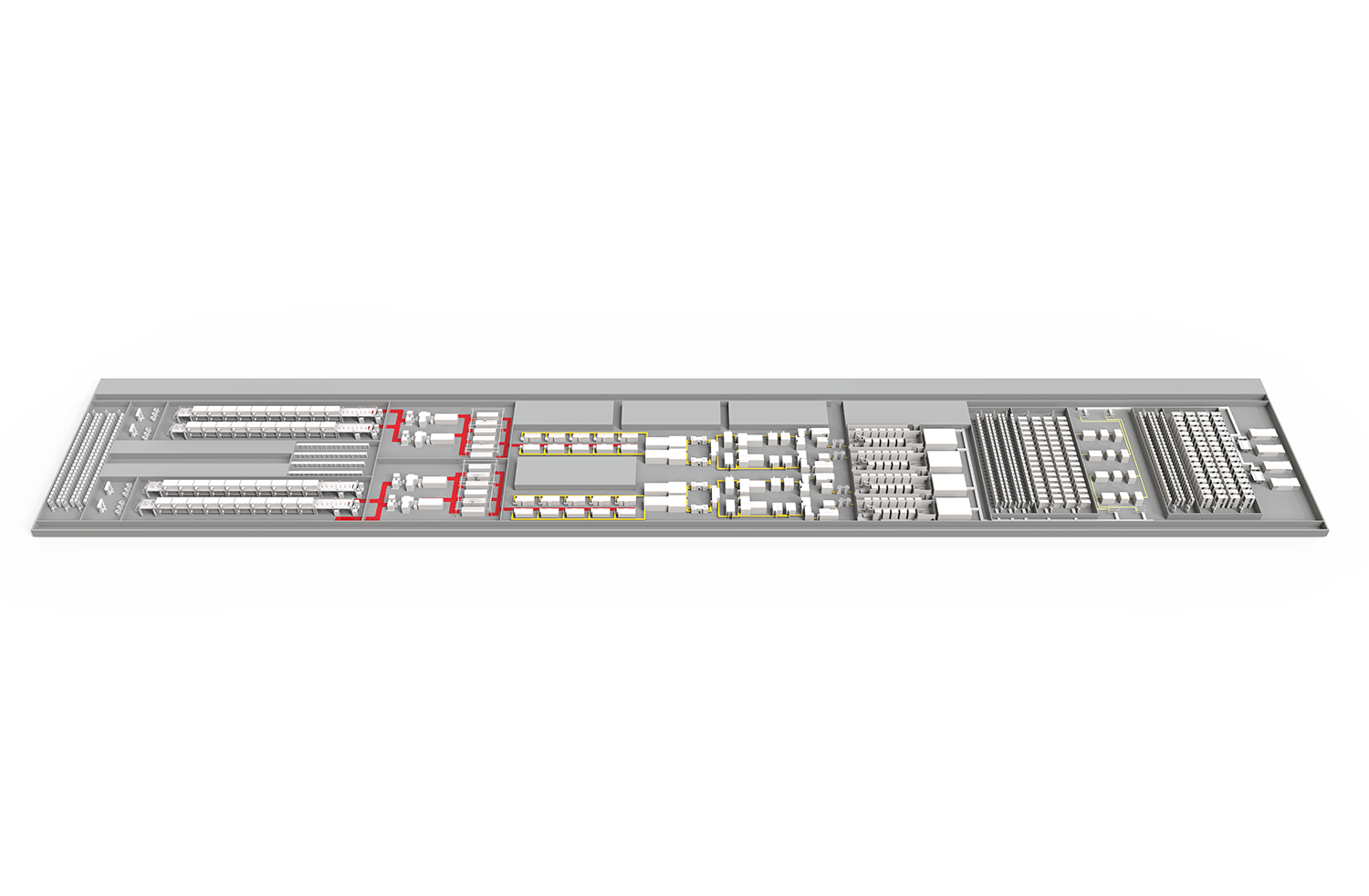
So here’s the question: is the format the win, or is it the process behind it? Your customers don’t care what you stamp on the label; they care if the van starts in February and the scooter doesn’t quit at 15%. Let’s set the hype aside and dig into where things actually go sideways. Next up: the flaws you don’t see on the spec sheet.
Under the Hood: Where Traditional Lines Fall Short
Where do things really break down?
Let’s be technical for a minute. Prismatic cans promise clean packing and fewer parts, but classic lines fight geometry. Wide sheets push roll-to-roll drift, and minor errors in electrode coating stack fast. Tabs grow thicker; weld windows get tight. Old fixtures were built for speed, not for flatness plus precision. That’s how you get uneven pressure, wavy edges, and cells that age weird under thermal stress. In-process checks? Often too late. If you only sample after slitting, you miss the upstream cause. Then you compensate in tab welding and shift the problem to the end-cap. Look, it’s simpler than you think: early variation makes late-stage heroics look necessary.
Control is the next trap. Many shops log data but don’t use it in the moment. Without live SPC and an active MES, machines run blind to drift. Electrolyte wetting takes longer than planned, so cells sit. Sitting adds noise to formation cycling, and QC flags it as “mystery loss.” Add heat and small misfits become big ones. Inline tools help, but only if you act on them—inline metrology without closed-loop control is just a pretty chart. The punchline: traditional fixes are band-aids. They chase symptoms like misaligned foils or slow drying. The root cause is weak feedback and slow decisions.
From Fixes to Foundations: What’s Next for Prismatic Lines
What’s Next
Now take a forward look. New lines apply principles, not patches. Start with closed-loop everything. Cameras don’t just inspect; they steer. Tension systems listen to the web and tune on the fly. Dryers learn the solvent curve and adapt. Small edge changes go into the model; the model nudges the line. Add edge computing nodes so the logic sits right beside the tool, not in some distant server. Pair that with non-destructive checks like fast impedance spectroscopy during pre-formation, and you catch outliers before they grow teeth. This is where prismatic battery manufacturing gets real leverage—flat form factors love systems thinking.

Next, build a digital thread. Every coil, mix, and weld carries a fingerprint. Trace it. Tie upstream rolls to downstream modules and even to pack-level power converters. With a plant model in place—a lightweight digital twin—you can run “what if” in hours, not quarters. Compare your prismatic run to a cylindrical baseline and watch how layout wins get erased by sloppy wetting—then fix the wetting, not the layout. Shift to model-predictive control for forming and you trim time without starving the SEI. It sounds fancy, but the rules are plain: measure early, decide fast, lock in stability. And yes, that means fewer line stoppages and a quieter night for your ops team—funny how consistency feels like speed.
Here’s the quick takeaway: the format sets the stage, but the system writes the play. We saw how flat cans expose weak alignment, slow feedback, and late QC. We also saw how live control, richer sensing, and traceable data flip the story. If you’re choosing a path, use three checks. One, throughput stability: does the line hold spec under real drift, not lab calm? Two, traceability depth: can you link a bad module to a single coating minute, and prove the fix stuck? Three, real energy impact: does the control strategy lift capacity without raising scrap? Answer those, and you’re set to make prismatic truly pay. For more on the build-side backbone, see LEAD.