
A Buyer’s Crossroads: What’s at Stake?
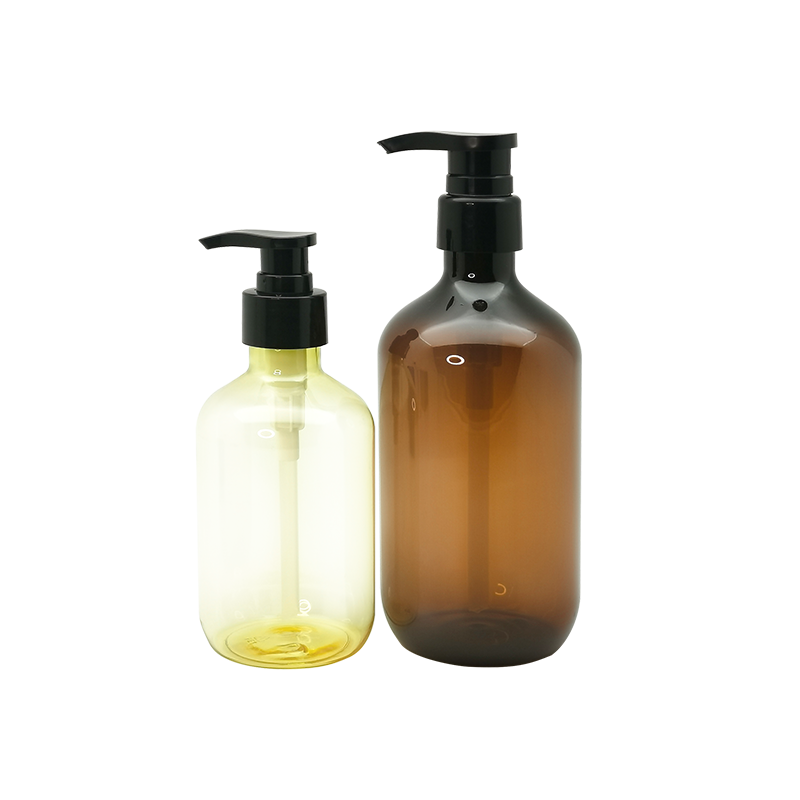
You sit with two quotes on your desk and a launch date on your mind. The first pet cosmetic bottle manufacturer promises fast delivery; the second talks about testing and data. As you scan options from a cosmetic pet bottles suppliers manufacturer, you wonder what to trust. In our market, returns often trace back to caps, necks, and seals—small parts, big trouble. Industry checks have shown that a surprising share of failures come from leakage and scuffs, not looks. And yet, price still tempts, hai? Here is the tough part: how do you compare beyond a glossy spec sheet and a nice mock-up? Are there signals you can read before you commit a full run? (There are.) Let us open the box and see what hidden risks sit inside, then weigh them with calm and care. Now, we move to the root issues.
The Hidden Pain Points You Don’t See at First Look
Where do small failures hide?
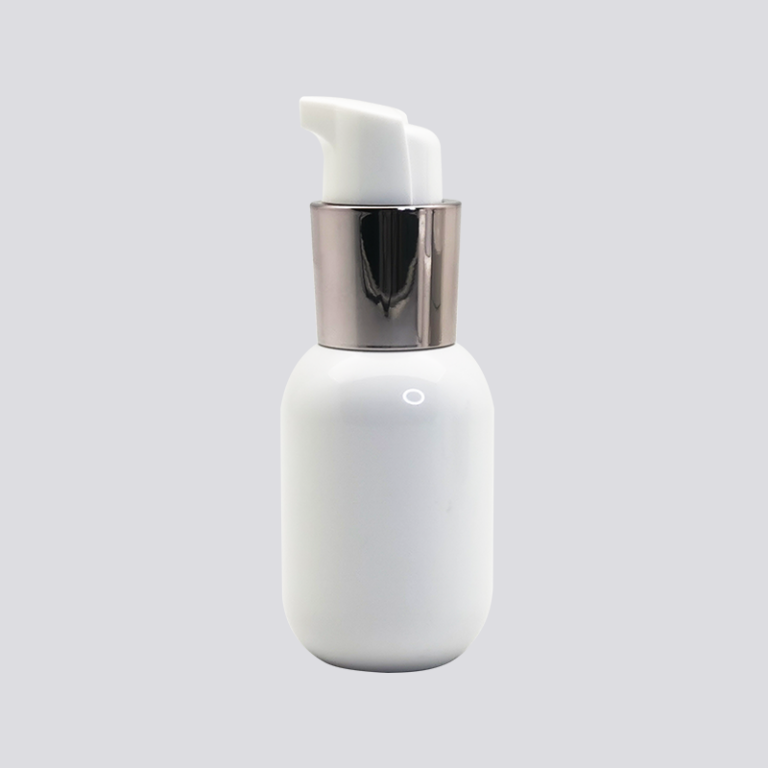
Look, it’s simpler than you think—and also not simple at all. The pain points live in places the eye cannot catch. Thread finish mismatch causes loose caps. Cap torque drifts in transit. Preform ovality leads to subtle leaks after a drop test. In injection stretch blow molding (ISBM), a tired cavity can give thin wall zones. That thin band will fail under stress cracking. You may not see it on day one. You will feel it when customers call. Add colorants and PCR content to the mix and you change resin flow, IV, and chill rate. That means new risks. Torque testing, leak testing, and burst testing are not extras. They are your guard rails—funny how that works, right?
The second pocket of pain is process clarity. Many teams show pretty samples. Few share control plans. Ask how they measure neck ovality and what Cpk they hold on the 24/410 finish. Ask if they log cavity-level scrap. Do they run vacuum decay, not just water bath tests? How do they set regrind ratio without pushing haze? If the answers are vague, expect drift. When a line swaps a mold insert, parameters move. Without SPC charts and first-article reports, you approve beauty, not stability. That is the trap. And it is a costly one.
Looking Ahead: New Principles Change the Choice
What’s Next
We step forward now, with a comparative lens. The newer playbook does not rely on feel. It leans on new technology principles. First, moldflow and neck-finish simulation help predict warp and gate blush before steel gets cut. Then, inline vision systems watch every bottle, not a few. They track wall thickness with IR sensors, flag short shots, and trend defects by cavity. Add machine learning to the camera feed, and you can spot early drift from heater banks or air knives. That means a faster fix—and fewer returns. Players in pet cosmetic bottle china are already pairing digital work orders with traceable preforms. Each bag, each lot, one QR trail. When a cap leaks, they trace back to heater zone and preform lot, then tune settings. A small shift, big result—and then the scrap drops.
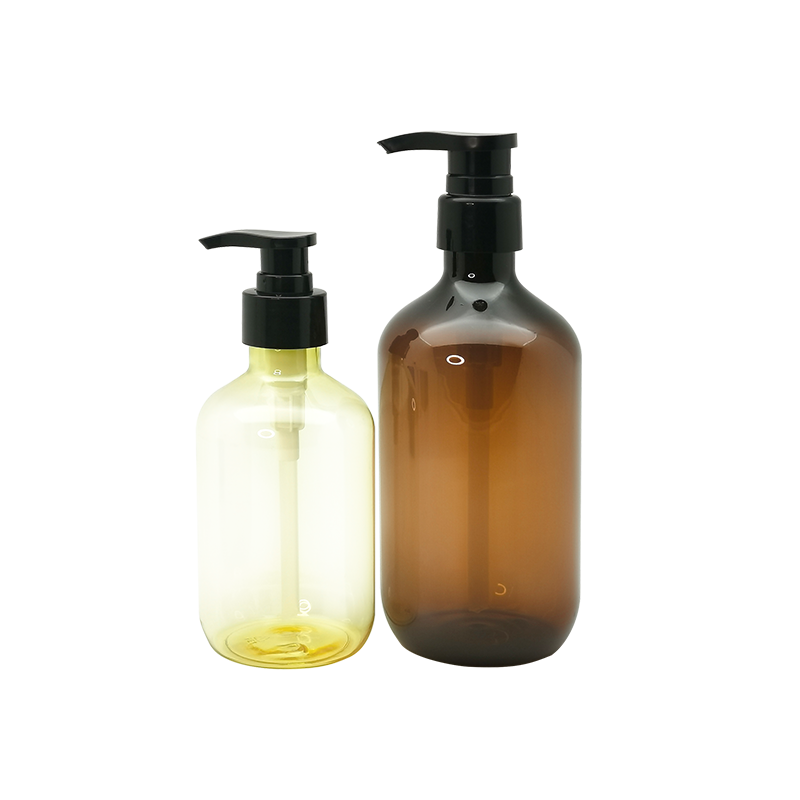
Barrier needs? Plasma or SiOx coatings now raise oxygen barrier without heavy glass. That protects serums without weight. Near-infrared sorting helps verify PCR streams, so your 30% claim stands up in an audit. Compared with the old way—manual checks, broad tolerances, patchy records—this path gives you control, not hope. Let us close with three clear metrics you can use on any shortlist: 1) Process capability: ask for Cpk ≥ 1.33 on neck finish and weight, with charts. 2) Quality yield: leak rate in ppm, by cavity and shift, not just a weekly average. 3) Traceability depth: lot-to-cavity linkage, including torque, burst, and visual defect codes. Keep it simple, keep it honest, and your launch stays steady. For further technical references and steady practice, see NAVI Packaging.