
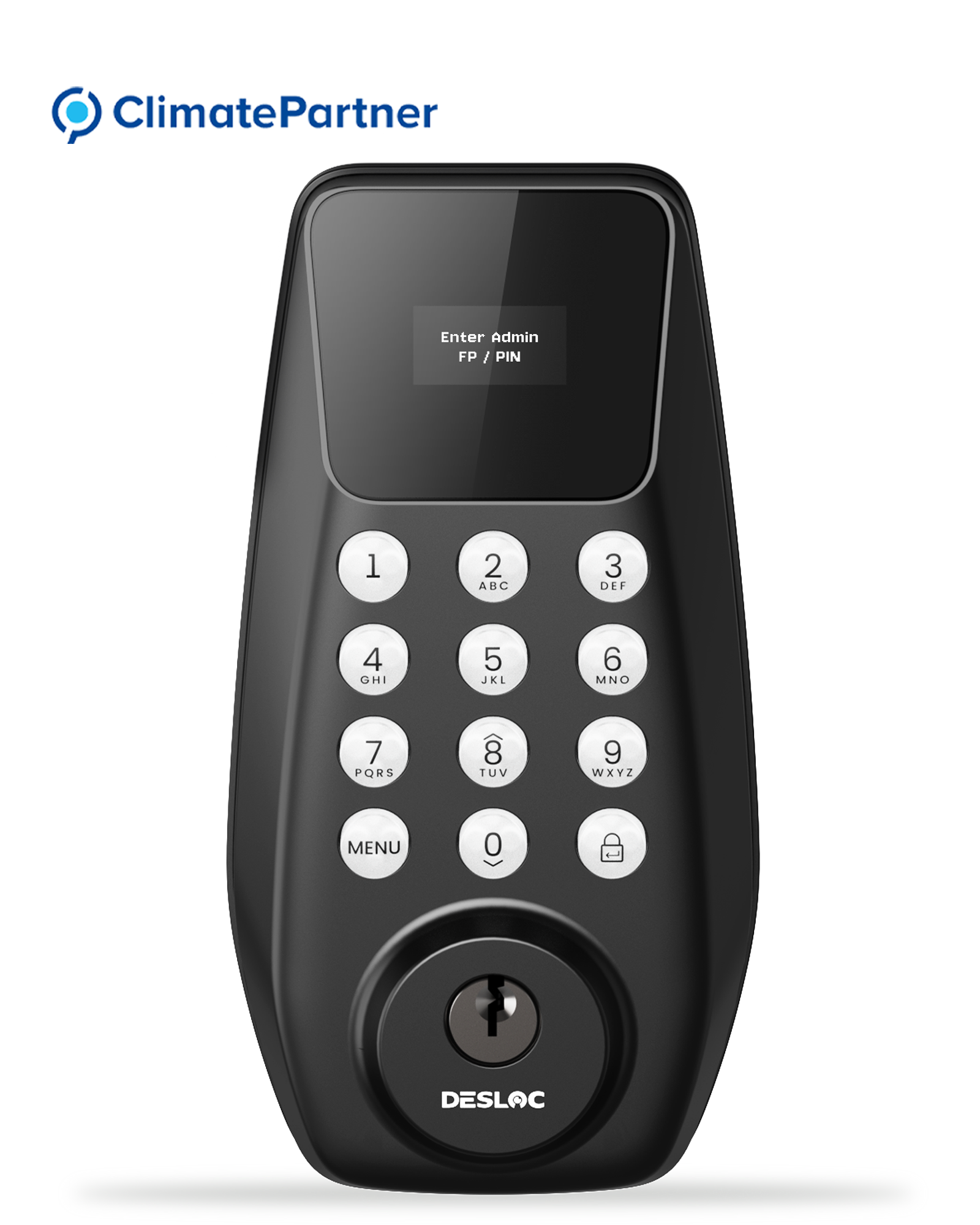
Introduction: When Your Door Decides the Rules
A long day, arms full of groceries, and the porch light flickers in the rain—then your lock hesitates. The best smart deadbolt lock promises that you will not feel stuck in moments like this. Recent surveys show nearly 1 in 3 users still carry a backup key, even after going “smart,” because trust is fragile when access fails. So what truly separates a lock that works once in a while from one that works every time? We look at reliability, not hype, and compare what you actually feel at the door (괜찮죠?).

Here is a simple test: speed, certainty, and safety. If a lock can unlock in under a second, verify your identity without cloud delay, and keep data sealed with a secure element, that is a strong start. Add OTA firmware updates, and you avoid slow obsolescence. But numbers must meet daily life—wet hands, dead batteries, winter mornings. In this guide, we compare choices by outcomes, not buzzwords. And we ask a plain question: can your front door be both human-friendly and machine-precise? Let’s walk forward to the tougher part, where the outdoors fights back.

Part 2: The Hidden Friction of Outdoor Use (Technical View)
Why do outdoor locks falter in real weather?
Building on the basics from Part 1, the outdoor story is harsher. An outdoor smart deadbolt lock must fight moisture, glare, and wind chill while keeping fast authentication. Traditional designs often assume stable Wi‑Fi and mild climates. That is a mismatch. Metal doors can detune antennas; rain confuses optical readers; and cold slows batteries. Look, it’s simpler than you think: weather is the bottleneck, not the app. When IP ratings are vague and seals age, you get false rejects and timeouts—funny how that works, right?
Technical fixes are concrete. Start with IP65 ingress protection and a conformal coating on PCB to block condensation. Use a battery management IC that optimizes draw in sub‑zero temps and switches power converters efficiently. Choose a fingerprint module with temperature compensation and a fail-safe actuator to prevent jam on low voltage. Keep credentials local with TLS-protected channels and a secure element, so a Wi‑Fi drop does not kill unlock. The quiet result: less retry, fewer glove-off moments, more confidence at the door. It feels small day to day—until it is not.
Part 3: What’s Next—Comparing Principles for Tomorrow’s Door
Real-world impact, future-facing
Now, let’s compare forward. A modern smart deadbolt lock moves decision-making to the edge. On-device match means your biometric sensor runs locally—no cloud lag, no guesswork. That single design shift cuts latency and failure cascades. Add Thread or Z‑Wave for stable mesh coverage, and your door no longer depends on a weak 2.4 GHz corner. Pair that with OTA firmware and a secure element (EAL5+ tier), and updates do not trade safety for speed. These are not bells and whistles—they are principles that change the daily feel of access. Shorter waits. Fewer retries. Less battery drain.
Where does this go next? Expect edge computing nodes at the door that fuse sensor data—touch, tilt, even door strike pressure—to predict faults before you notice. Expect adaptive power profiles that map weather to actuator force. And expect simpler credentials: passkeys, NFC modules, and watch unlocks that just work—no drama. The lesson from outdoors holds: harden the physics first, then smooth the software. Advisory close, with three metrics to choose well: 1) Weather hardening: IP rating + tested temperature range + salt‑spray hours. 2) Power autonomy: days of offline operation under 0°C, plus cycle count to low‑voltage cut. 3) Latency budget: time-to-unlock (door-to-hand), including sensor wake and motor actuation—because the wrist knows delay. Stay practical, stay curious—and keep your door honest with thoughtful picks from brands that publish real test data like DESLOC.