
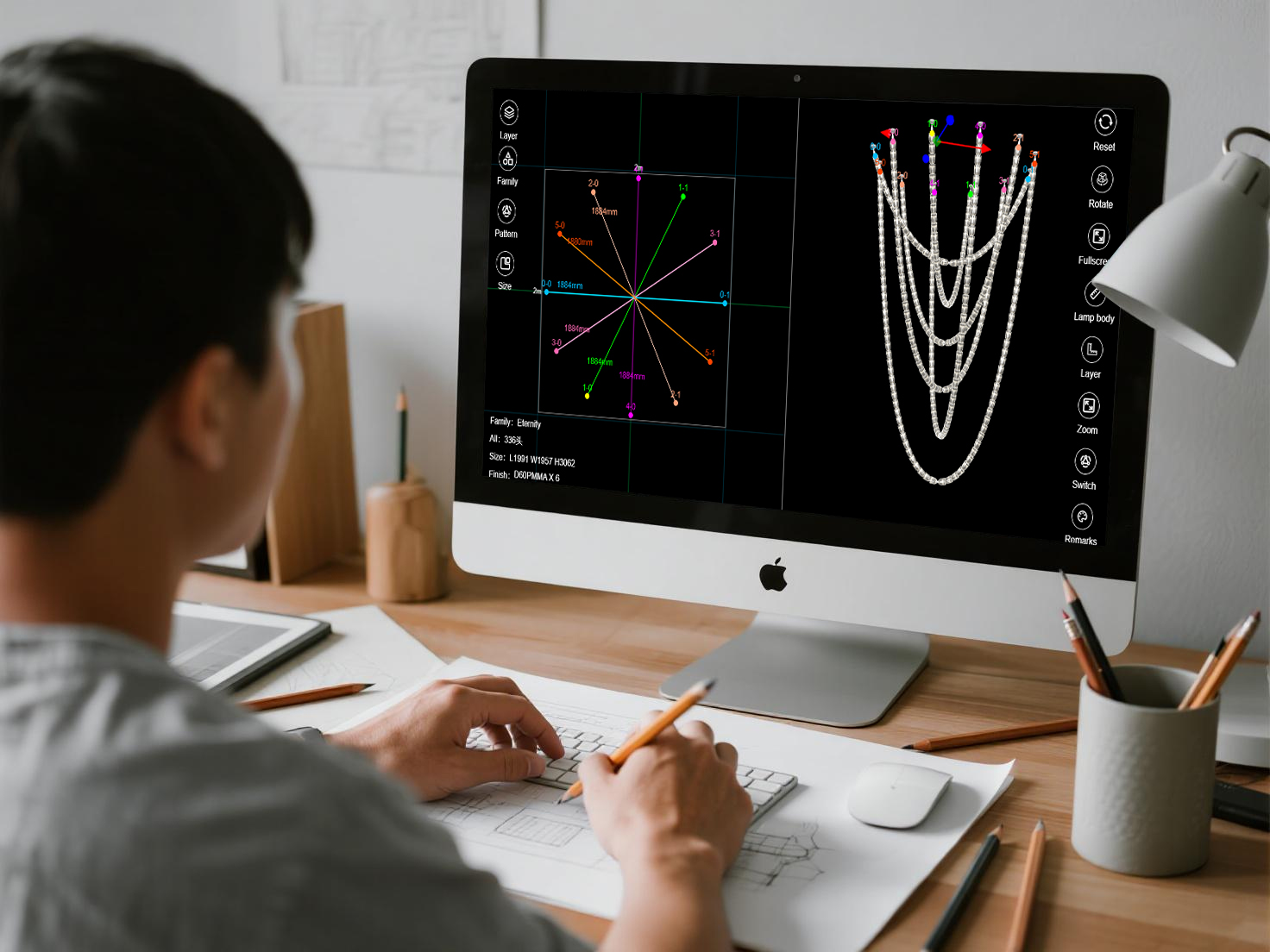
Introduction: A Dinner Table, Two Tasks, One Light
You slide a casserole onto the table, dim the lights for dinner, and ten minutes later someone pulls out a laptop for homework—same room, totally different needs. A pendant light company hears this story every day. In busy homes, one fixture has to shift from cozy to focused lighting fast, yet most don’t. Surveys show over half of homeowners struggle with glare or shadows in multi‑use spaces, even with dimmers and “warm” bulbs. So what if your light could change height—on demand—to shift the beam, soften contrast, and fix those hot spots without fiddly extras? (Yes, even over an island.) The question is simple: are we asking our pendants to do too much with too little control?
Let’s break it down and see where the real friction lives—then how smarter height control changes the game.
Problem, Unpacked: Why Fixed Heights Keep Failing
What’s the real snag?
Here’s the technical truth: a fixed mount gives you one beam position, one glare profile, and one shadow map—no matter the task. A height adjustable pendant light attacks that root cause by shifting the source relative to the surface. Lowering the fixture narrows the effective beam angle on the table, boosts task contrast, and reduces spill light. Raising it diffuses edges for ambient wash and keeps sightlines clear. Dimmers don’t do this; they only cut lumen output. Look, it’s simpler than you think: height changes geometry, and geometry controls comfort. With the right optics, you can chase a better UGR (glare) score, preserve CRI for color clarity, and keep the dimming driver stable—no flicker, no hum—even when the cord length varies.
Traditional fixes miss hidden pain points. Tall ceilings push pendants too far from the work plane, so you get scalloped light and weary eyes. Short ceilings force a compromise that whacks headroom or reflects off glossy counters. Mixed zones—coffee, code, craft—need different vertical illuminance at different times. And when the fixture can’t move, you end up layering extra lamps, cable clutter, and mismatched color temps. That hurts both power factor and mood—funny how that works, right? Add kids, pets, and tight walkways, and you need precise drop lengths, not just “bright or dim.”
Comparative Insight: From Manual Pulls to Smart Lift Systems
What’s Next
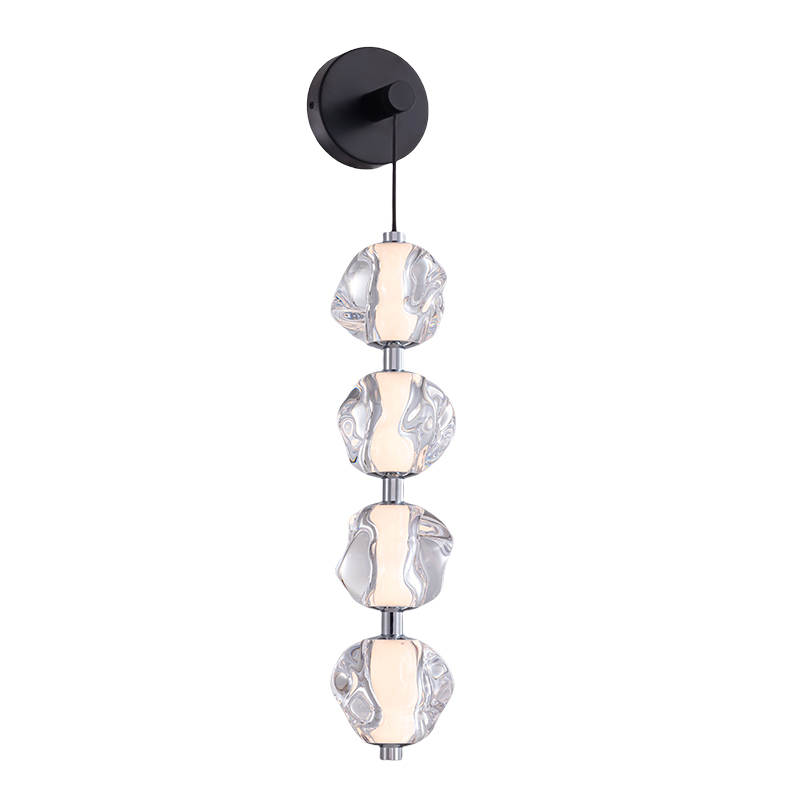
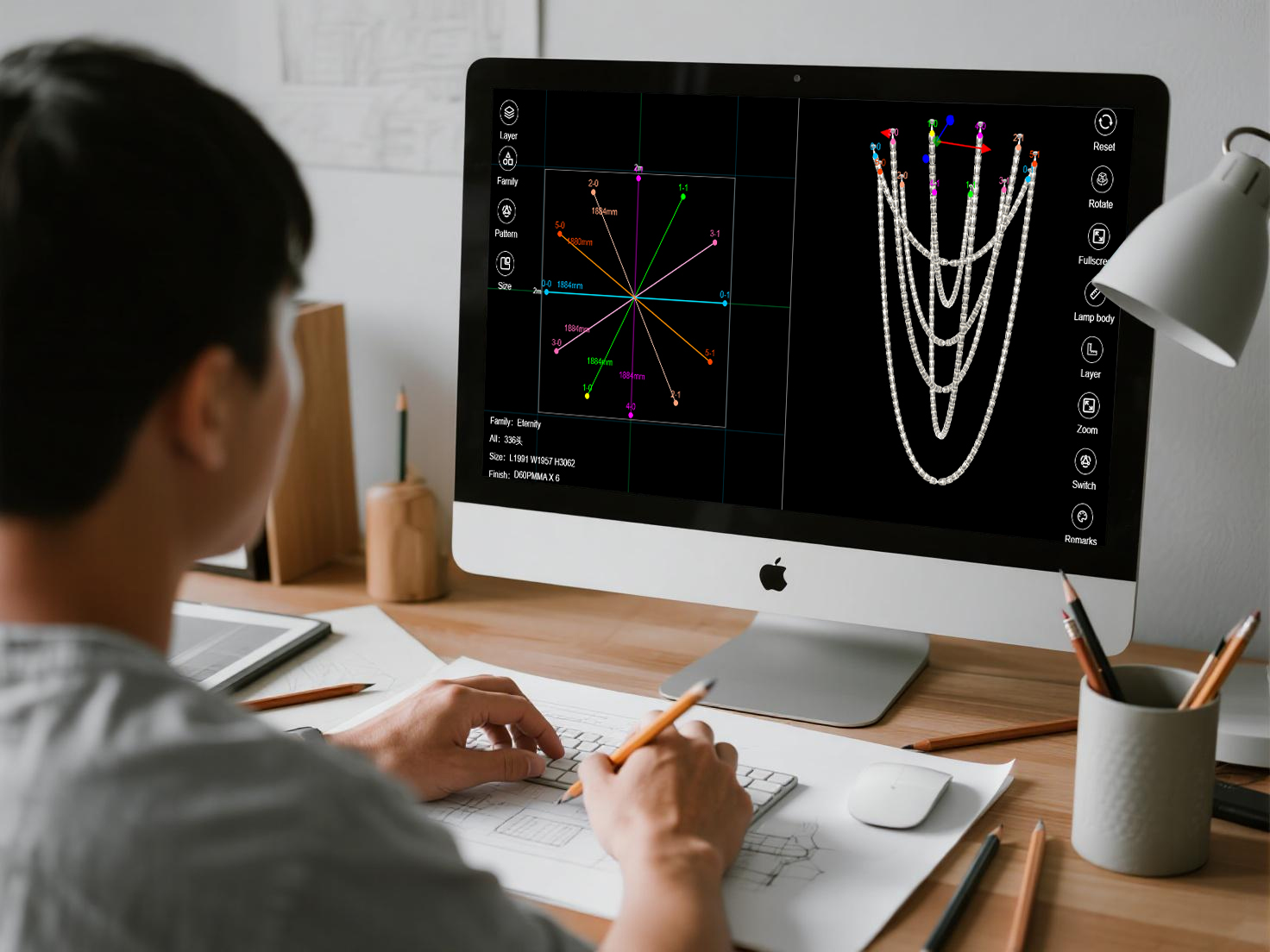
Forward-looking systems borrow from pro rigs, not toy pulleys. New lift mechanisms use counterbalanced spools, torque-limited motors, and soft-stop sensors to keep height exact within millimeters—quietly. The principle is simple: decouple suspension from power, then feed LEDs through a constant-current driver with slack management, so no strain on conductors or connectors. That means stable lumen output, clean dimming curves (TRIAC/0–10V/DALI), and better thermal dissipation even as you move. Compared to a fixed pendant, a smart height rig changes the light geometry first, then the brightness. In practice, that means fewer hotspots, cleaner beam edges, and less veiling reflection on marble or glass. Drop it for prep. Lift it for dining. Pause at a memory stop for video calls—done. And if you prefer simplicity, a well-balanced manual glide on a single-stem 1 light pendant light achieves the same geometry control without the wiring complexity.
Real talk: the win here isn’t the gadget; it’s the repeatable scene. Compared side by side, adjustable pendants cut switch toggles and table lamps because one move shifts beam angle, shadow length, and glare all at once—like three fixes in a single gesture. That’s the measurable outcome: fewer fixtures, more comfort, and steadier task performance. So if you’re weighing options, use three metrics to choose wisely: 1) adjustability range and positional accuracy (can it hit your task plane within 2–3 inches?), 2) driver and control compatibility for flicker-free dimming and color stability, and 3) optical discipline—shielding, lens quality, and beam control for a low-UGR result. People notice when the room feels easier—your eyes tell you before your brain does. kinglong