

Start Here: Context, Facts, and a Sharp Question
A little scene for you: early morning on site, sky heavy, crew waiting, budget tight. aluminum plastic composite panel reach same time as the rain, and the tape measure start run laps. The supervisor swear the sheets match the spec, but after two cuts and one mock-up, we see warp, we see paint mismatch, and we see eight percent waste—right there. In one region-wide survey, rework on cladding jobs ate 12–18% of time and cost. So how we get past guesswork and prove what’s true?
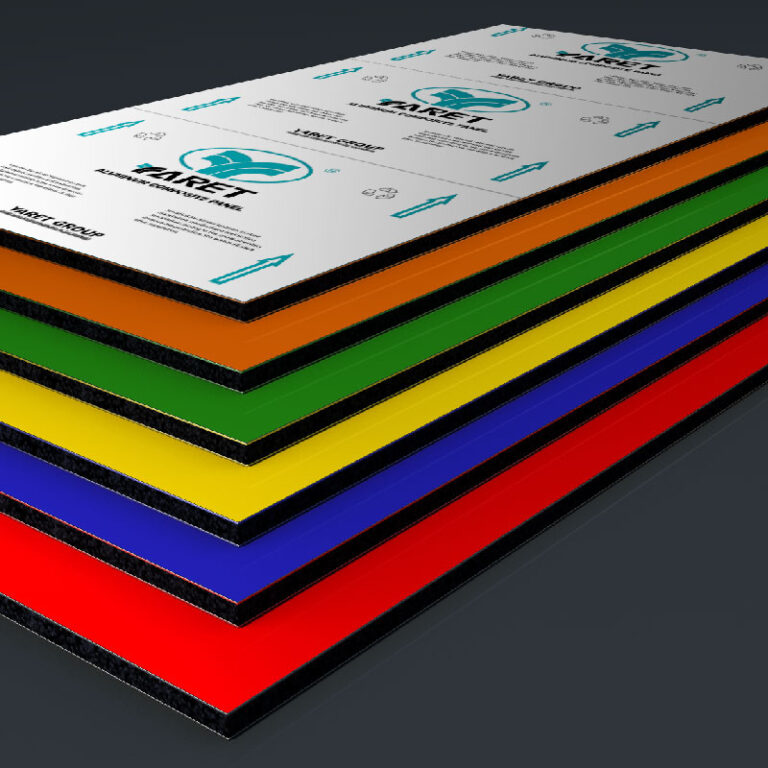
Mi a share straight talk, Caribbean style (no long chat). We need a clean way to compare panels, suppliers, and test numbers—before crew time get burn up. We need measures for bond, flatness, and coat life, not just thickness and price. Is the checklist yuh trust doing real work, or just looking pretty? Let’s keep it simple, clear, and real—then choose smart. Onward to the details.
Old Habits vs. Real Measures: Where Buyers Get Stuck
Where do old methods break down?
aluminum composite plastic panel manufacturer claims often lean on two numbers: total thickness and core type. That’s not enough. Traditional checks miss peel strength—how well the skins bond to the thermoplastic core under stress. They skip PVDF coating thickness and cure, so UV life and gloss retention go unknown. They ignore flatness tolerance over long spans, so you get waviness after install—funny how that works, right? They skip thermal expansion match between skin and core, so panels creep at the joints. And many job-site tests cut the edges, which hides weak adhesion where it matters most.
Look, it’s simpler than you think. Ask for a real QC path: coil coating records, extrusion line logs, and a peel strength report per batch (per ASTM or EN standard). Check coating pencil hardness and salt-spray hours, not just the color card. Confirm fire classification and core density for the actual batch, not a sample from last year. And measure panel flatness with a straightedge across the diagonal, since ripple shows there first. These steps pull you past pretty brochures. They make hidden risks visible before you fasten a single cassette.
Next-Gen Checks and Smarter Choices
What’s Next
Let’s look ahead, side by side, not just back. New technology makes the “trust me” era fade. Inline optical metrology scans coating thickness in real time, rather than once a shift. Thermal cameras map cure uniformity across the coil, so PVDF coating doesn’t chalk early. Vibration sensors on the extrusion line track bond temperature windows, which ties to peel strength later. And QR traceability links each panel to its shear test and weathering test files—no mystery. When you compare aluminum plastic composite panel suppliers, ask who can deliver that data, panel by panel, not just in a glossy PDF.

Semi-formal take, plain words: modern panels live longer because process control got sharper. Think closed-loop thickness control, not manual dial-in. Think digital certificates, not email promises. Think accelerated UV-aging profiles that match your climate zone, not a generic “good for outdoors” line. The result is fewer callbacks, cleaner seams, and less color shift between batches—and fewer site fights about “who cut wrong.” If a supplier can’t show inline logs, batch-level peel numbers, and flatness maps, you’re gambling. And yes, most failures trace back to missing process data—funny how that works, right?
Before we close, let’s make it practical. Three metrics to judge with confidence: 1) Peel strength (N/mm) after heat and humidity cycling, reported per batch; 2) PVDF coating thickness and cure validation, with UV-aging hours to ΔE target; 3) Flatness tolerance over diagonal span and thermal movement data for your install temperature range. Use these side by side across vendors, and your choice gets clear. Keep the tone calm, the questions steady, and the numbers honest. Knowledge first, no hype—then the build stays irie. For deeper technical documentation and consistent reporting, see yaret.