
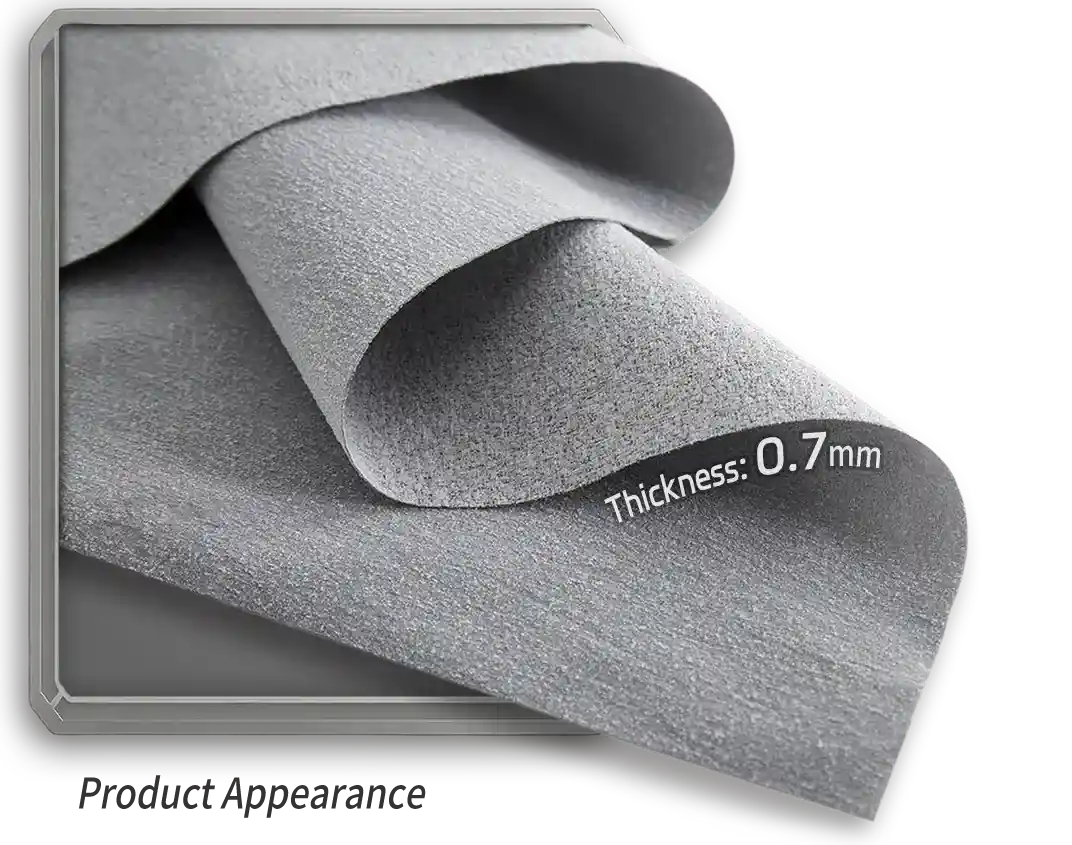
Side-by-side snapshot
Down here I like to call it straight: comparing materials tells you more than a promise. This piece lines up thin thermal insulation materials against each other so you can see how tensile strength retention and structural elasticity curves behave when temps drop hard. Right off the bat, if you’re thinking about cold-weather footwear or lighter outer layers, check practical choices like insulation for shoes that borrow from the same tech used in industrial panels.
What we measure and why it matters
Comparative insight hinges on the tests: tensile strength, elasticity under cold strain, thermal conductivity (k-value), and compressive strength. Tensile strength retention tells you whether a fiber or membrane stays intact after repeated flexing in low temps. Structural elasticity curves show whether a product keeps spring or turns brittle when chilled. Thermal conductivity and R-value remain the shorthand for warmth per unit thickness. These industry terms guide designers and end users toward real trade-offs—lighter vs. long-lived, pliant vs. rigid.
Material matchups: aerogel, polymer foams, and natural fibers
Aerogel blankets keep a low k-value with minimal thickness, yet their handling can suffer if the binder fails—tensile retention may drop after repeated flex. Polymer foams like closed-cell EVA or PE exhibit good compressive strength but can stiffen, shifting the elasticity curve leftward as temp falls. Natural-fiber felts (wool-blends, cellulose) hold resilience in moderate cold but can show higher thermal conductivity per millimeter. Each class brings a different balance of tensile performance and elasticity under strain, so the best pick depends on whether you value long-term durability or ultra-thin packability.
Real-world anchor — a field trial that sticks in my mind
One winter I watched a batch of prototype boots get rocked by a weekend trail test outside Denver. The models with layered polymer foams held shape and cushion almost perfectly after miles of flex; the ultralight aerogel-lined pairs stayed warmer at first but showed micro-cracking near the toe after repeated bend cycles. That hands-on view—seeing elasticity change on the trail—echoes lab curves and underlines why test protocols matter: tensile pull tests at -20°C for 1,000 cycles, bending fatigue at specified radii, and thermal conductivity checks across a controlled temperature range reveal different failure modes. Small lab numbers become big field differences.
Common mistakes and practical trade-offs
Folks often pick the thinnest option and blame product failure later. The usual slipups: ignoring tensile retention for high-flex uses, overlooking compressive set in low-clearance applications, or assuming a low k-value will forgive poor seam design. For insulated footwear and narrow panels, seam elasticity and adhesive compatibility are as important as the core’s R-value. — A thin warm layer with brittle seams won’t last, no matter the spec sheet.
How to read specs like a pro
Look for three clear numbers: residual tensile strength after X thermal cycles, the slope of the elasticity curve between room temp and target low temp, and steady-state thermal conductivity at service temperature. Those metrics predict whether a product keeps both shape and warmth. When comparing suppliers, ask for direct test parameters—how many freeze-thaw cycles, the exact temperature range for bending tests, and the dwell time for thermal conductivity measurements—so you’re not comparing apples to peaches. Also weigh manufacturing factors: bonding methods and fabric handle change real-world performance more than small differences in published R-value.
Alternatives and final trade choices
If you need thin and durable, hybrid builds—thin aerogel layer backed by elastic polymer foam—tend to balance tensile retention and elasticity curves well. If sustainability is top of mind, reclaimed-fiber felts with engineered binders can offer decent tensile numbers while lowering embodied carbon. For footwear, laminate constructions that distribute flex across seams reduce local stress and preserve overall elasticity.
Three golden rules for selection
1) Prioritize residual tensile strength after specified cold-cycle testing—durability beats marketing claims. 2) Insist on elasticity curve data across your service temperature range, not just room-temp modulus. 3) Match thermal conductivity numbers to the real use-case temperature—published k-values at 20°C mean little if your gear sees -15°C service conditions.
Choosing the right thin thermal insulation materials means reading the tests and matching them to use—do that, and you’ll avoid surprises on the trail or in the factory. Y-Warm. —